Science & Tech · Kiribati
Earhart search team identifies suspected aircraft debris as likely trees
Researchers investigating an object at Nikumaroro found evidence of washed-up trees rather than aircraft wreckage. The expedition did not establish what happened to Amelia Earhart and Fred Noonan.
Suspected Earhart aircraft debris at Nikumaroro was likely washed-up trees, researchers found. The disappearance remains unresolved.
- Researchers investigated an object seen in satellite images.
- A carbonate coating explained the apparent metallic glint.
- The expedition found no conclusive evidence of the plane.
What's new
- The suspected wreckage was identified as likely trees deposited along a sandspit.
- A reflective coating, rather than metal, accounted for the object's glint.
- Purdue University said only one Y-shaped section remained after other material washed away.
Researchers searching for Amelia Earhart’s aircraft at Nikumaroro, a remote Pacific atoll in Kiribati, found that suspected wreckage was likely washed-up trees, according to findings reported on October 19, 2026. The expedition departed without conclusive evidence of the plane, leaving the disappearance of Earhart and navigator Fred Noonan unresolved.123
An object in the shallows
Satellite images from 2020 showed a long, white shape in shallow water near Taraia Peninsula, according to the Guardian. The BBC reported that the feature, known as the Taraia Object, could also be seen in photographs dating to 1938. Researchers had considered whether it might be the remains of a small aircraft.12
Purdue University, which partly sponsored the expedition, said the feature was probably a group of large trees deposited beside the peninsula’s sandspit. According to the university’s account reported by the BBC, much of the material had broken apart and been carried away before researchers arrived, with one Y-shaped piece remaining.12
The surface also offered an explanation for the apparent metallic reflection that had interested Richard Pettigrew, head of the nonprofit Archaeological Legacy Institute. The Guardian reported that the shine came from a carbonate coating, not metal. That finding supported the identification of the material as trees rather than Earhart’s aircraft.1
Four days of investigation
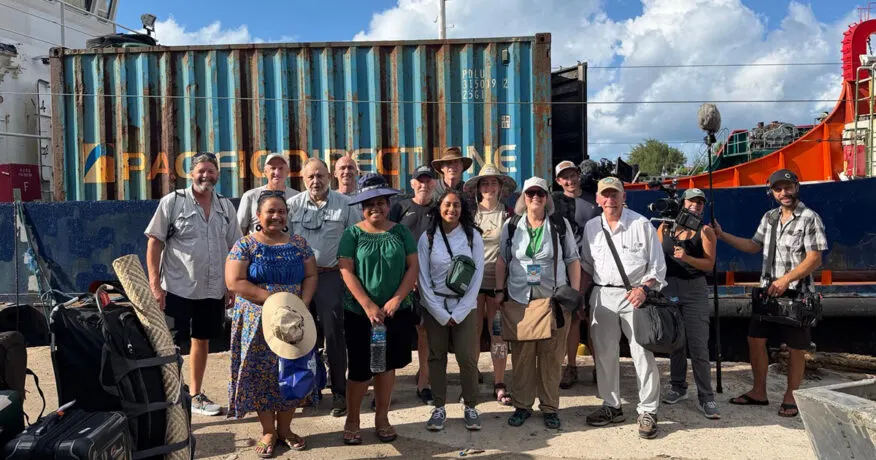
The team travelled to Nikumaroro by sea over five days, according to the BBC. Rough seas and strong winds initially kept researchers aboard their ship and delayed the search. They subsequently spent four days investigating onshore. The Guardian described a 17-person expedition whose work included searching with metal detectors.12
The Guardian reported that researchers erected tents, but slept offshore partly because of coconut crabs. The work did not produce decisive evidence of the missing aircraft. “Unfortunately, we weren’t able to find that smoking gun,” said Steve Schultz, a Purdue University representative.1
The disappearance remains unresolved
Earhart and Noonan disappeared in 1937 during their attempt to fly around the world, the Guardian reported. According to the BBC, their Electra vanished while trying to reach Howland Island for fuel, about 400 miles from Nikumaroro. They had planned to continue towards Hawaii before returning to California.12
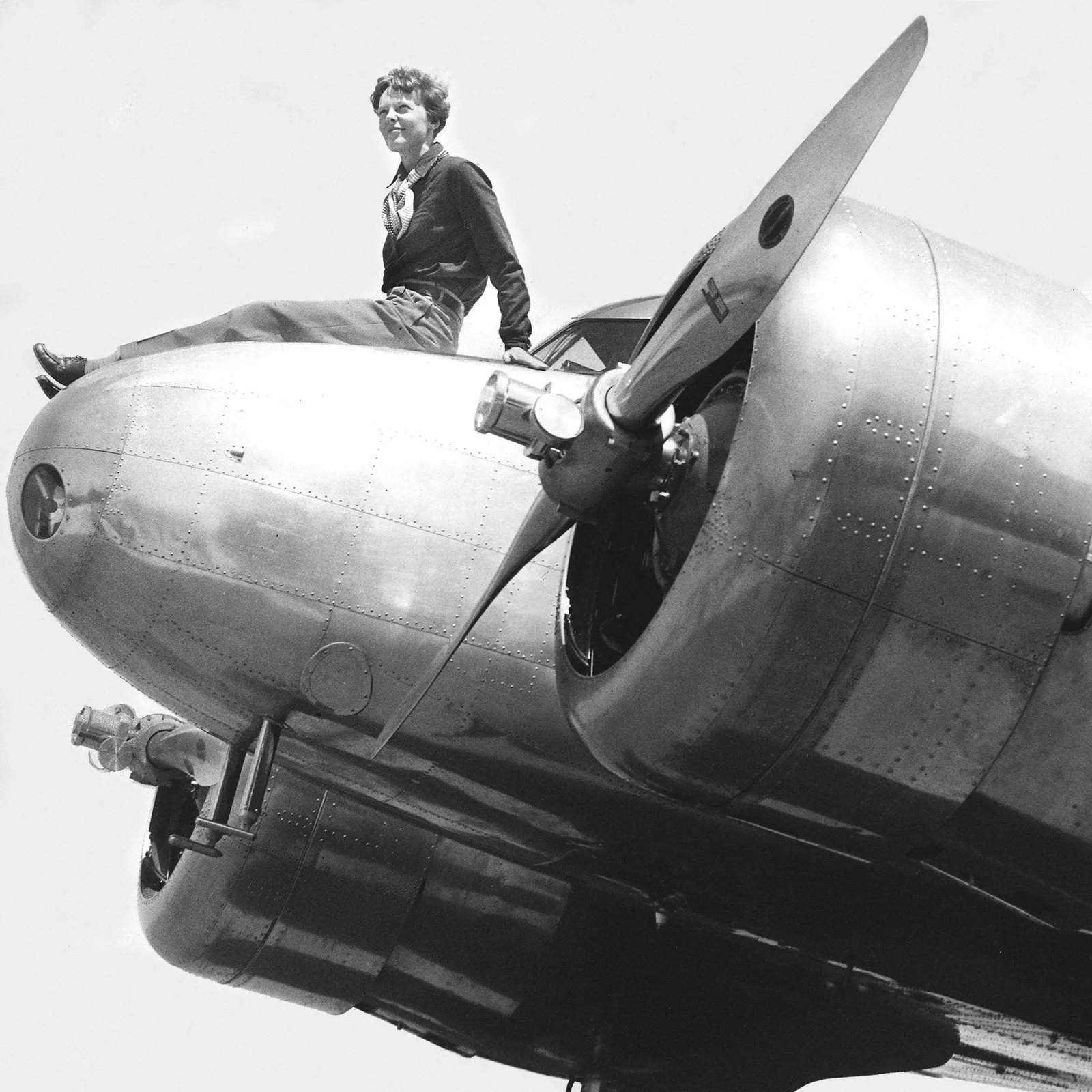
One theory described by the BBC holds that Earhart reached Nikumaroro unintentionally, brought the aircraft down and died as a castaway. The Guardian reported that earlier visits found indications of a castaway camp, a woman’s shoe from the 1930s and glass from a freckle-cream jar. The latest expedition did not establish the aircraft’s whereabouts or resolve the disappearance.123
Why it matters
For European readers following the search, the findings distinguish a photographed object from verified aircraft wreckage. They provide an explanation for this particular lead, but not an answer to what happened to Earhart and Noonan.123
Related stories
Version history
- version 1 ·