Health · United Kingdom, United States of America, Netherlands
Cancer rates rising faster among younger people in England, US, Netherlands
An international study finds sharp increases in early onset cancers across three countries, with declines in lung cancer among under-50s.
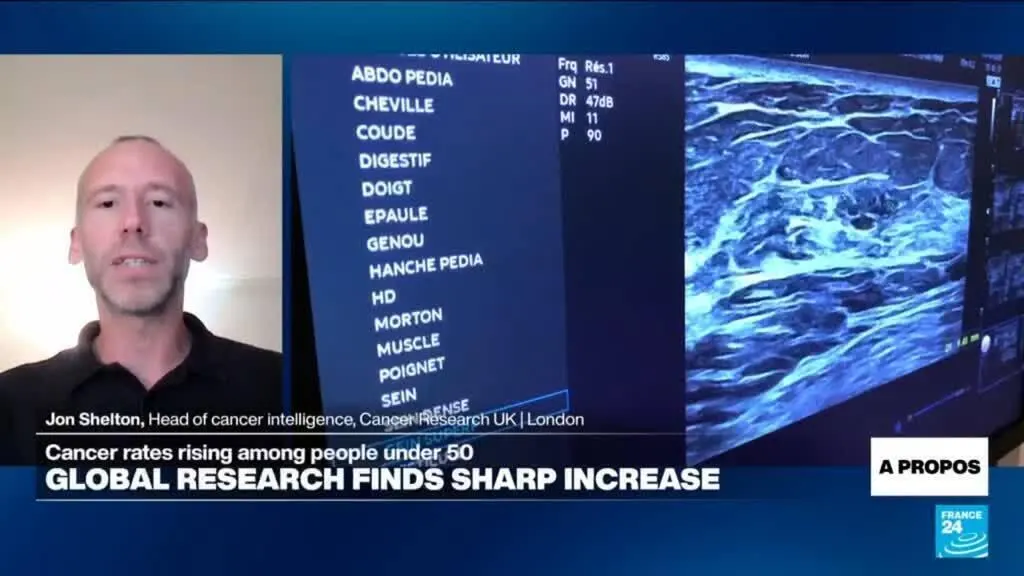
Cancer rates are rising faster among younger adults in England, the US, and the Netherlands, with notable increases in bowel, kidney, uterine and prostate cancers, while lung cancer rates are declining.
- Diagnoses of early onset bowel, kidney and uterine cancers have more than doubled. since 2001
- Prostate cancer rates among men under 50 in England have quadrupled since 2001
- By 2023, breast cancer rates in individuals under 50 had increased from 42 to 47.5 per 100,000.
- Lung cancer rates among under-50s declined in all three countries
- King’s College London is running a 250,000-person trial on early onset bowel cancer
What's new
- King’s College London launches 250,000-person trial funded by Cancer Research UK
- World Cancer Research Fund analysis identifies significant increases in seven cancer types in England
- Rates of lung cancer among under-50s declined in all three countries
An international study by the World Cancer Research Fund reports a sharp rise in multiple cancer types among younger people in England, the United States, and the Netherlands.3
Trends in cancer incidence
Since 2001, England has seen more than a doubling in early onset diagnoses of bowel, kidney and uterine cancers, while breast cancer rates in those under 50 rose from 42 to 47.5 per 100,000 by 2023.12
In the Netherlands, researchers identified notable increases in early onset cases of bowel, kidney, liver and cervical cancers.12
Meanwhile, lung cancer rates among people under 50 have fallen across all three countries, mirroring ongoing reductions in smoking prevalence.12
Research and response
King’s College London has launched a Cancer Research UK-funded trial involving 250,000 participants to study the growing incidence of bowel cancer in younger adults.12
A spokesperson for the Department of Health and Social Care stated that the results highlight the importance of early diagnosis in the national cancer strategy, which includes funding for new technologies and broader genetic screening.1
Why it matters
These trends matter for readers in Europe as they highlight shifting cancer risks affecting younger adults, potentially influencing public health priorities and screening guidelines across the region. The rise in early onset cases underscores the need for greater awareness and research into lifestyle-related risk factors.2
Version history
- version 1 ·