Chinese media welcome Huang’s Nvidia reinstatement and warn of further investigations
Jensen Huang returned as Nvidia chief executive after Donald Trump said he intervened with its board, according to the Guardian. Chinese commentary challenged espionage allegations, while Tom Cotton said the controversy remained unresolved.
The Guardian reports that Huang returned to Nvidia after Trump’s intervention. Chinese commentary welcomed him back, while Cotton said the controversy remained unresolved.
- Trump said he persuaded Nvidia’s board to reinstate Huang.
- The Washington Post reported Huang admitted an affair with an alleged spy.
- The dossier does not establish the alleged intelligence connection.
- The Global Times warned of further investigations, according to the Guardian.
What's new
- The Guardian reports that Nvidia reinstated Huang weeks after his removal.
- Trump said he persuaded Nvidia’s board to bring Huang back.
- Chinese media welcomed the return while warning of further political investigations.
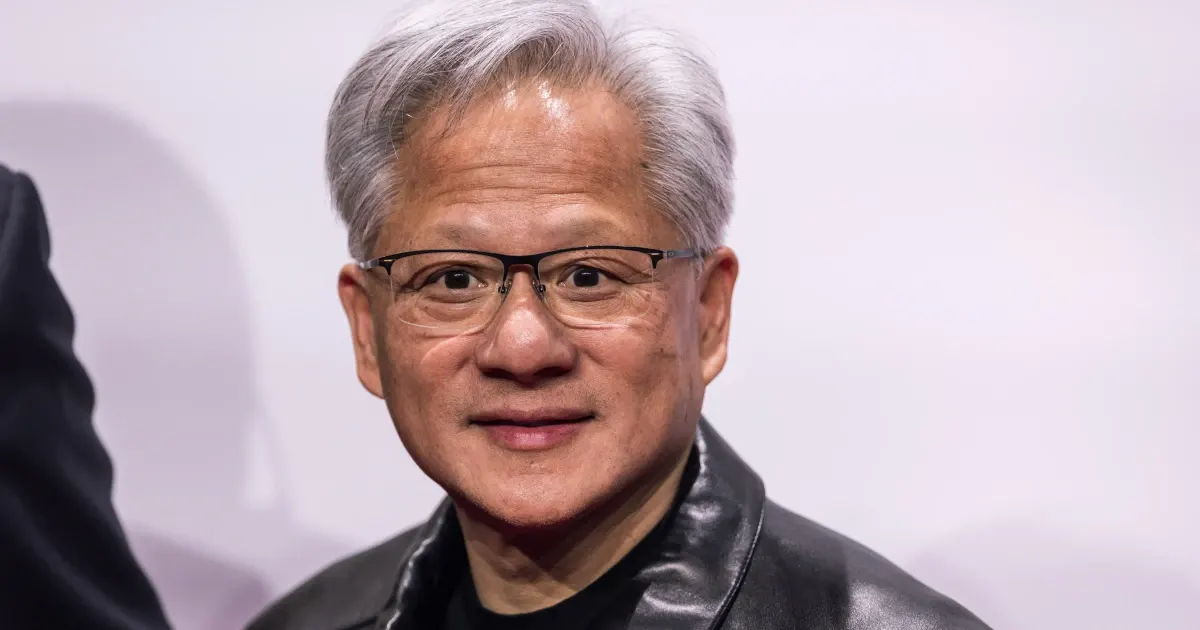
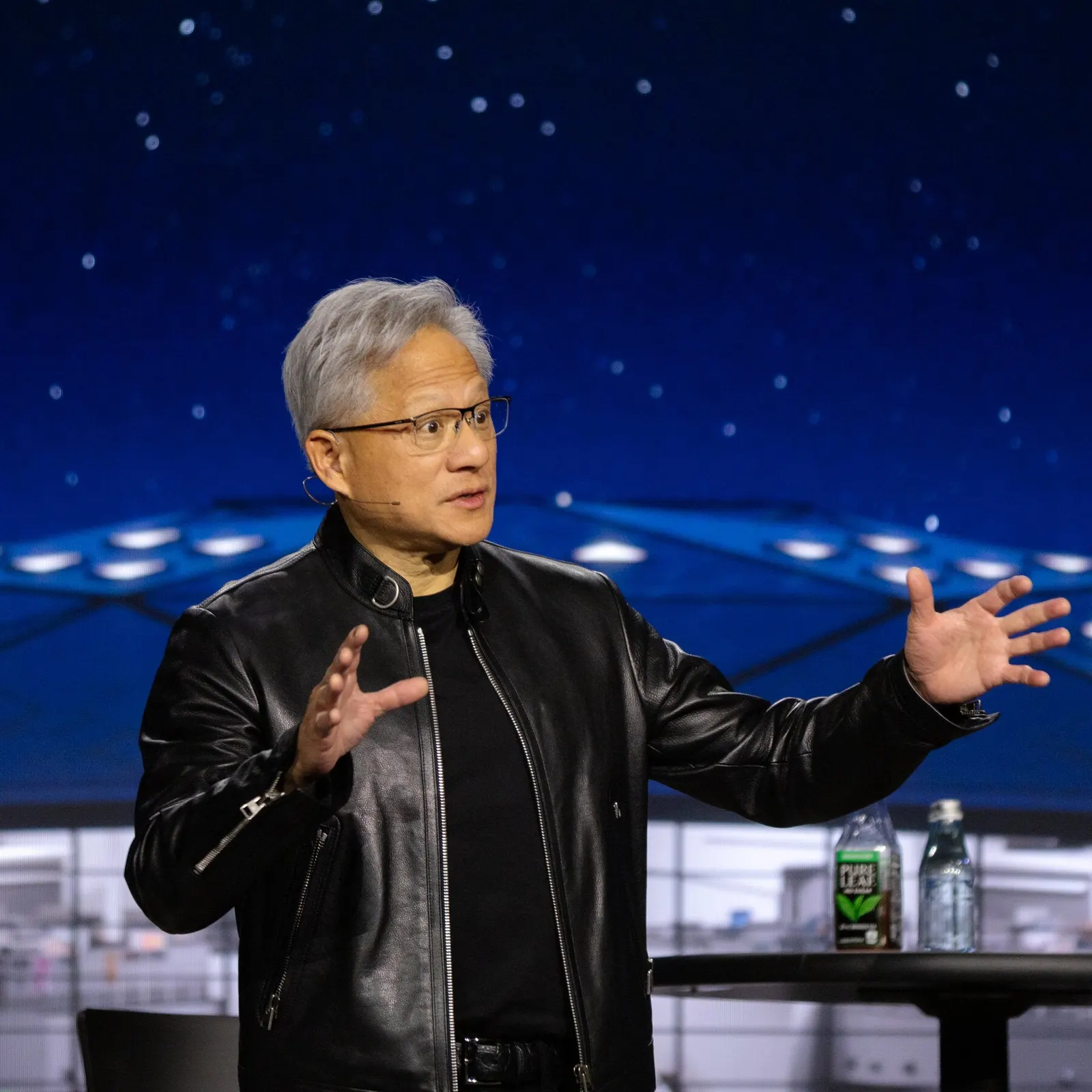
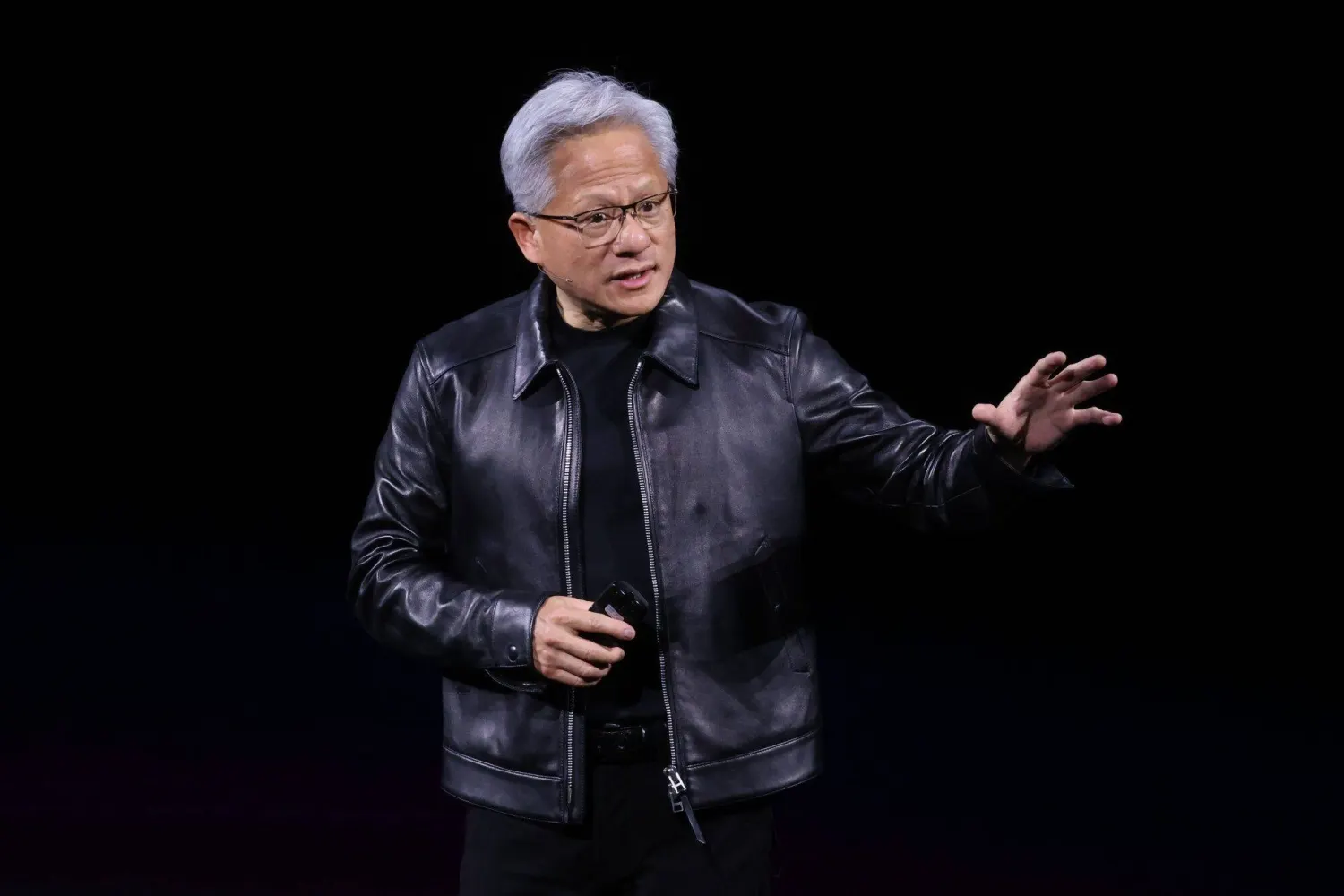
Jensen Huang has been reinstated as chief executive of US semiconductor company Nvidia, according to the Guardian’s November 24 report, prompting supportive commentary in China and warnings there of further political investigations. Donald Trump said he had persuaded the company’s board to reverse its decision to remove Huang weeks earlier.1
Allegations and responses
The Guardian reported that Huang had faced accusations of three affairs, one involving a suspected Chinese intelligence asset and two involving employees. The Washington Post reported that the Taiwanese American executive had admitted an affair with an alleged Chinese spy and continued to receive support. That reported admission does not establish the allegation of espionage.12
According to the Guardian, the state-run Global Times characterised American media coverage of the alleged intelligence connection as malicious and said it had damaged perceptions of China in the United States. The outlet also warned that future campaigns against people or companies accused of Chinese intelligence links could bring investigations and congressional hearings.1
The Guardian also reported that Chinese blogger Niu Tanqin rejected the allegations concerning a female spy. China’s government has consistently denied the espionage accusations, the newspaper said. Those denials and the allegations remain distinct from the reported decision to restore Huang to his company role.1
Trump’s account of the reversal
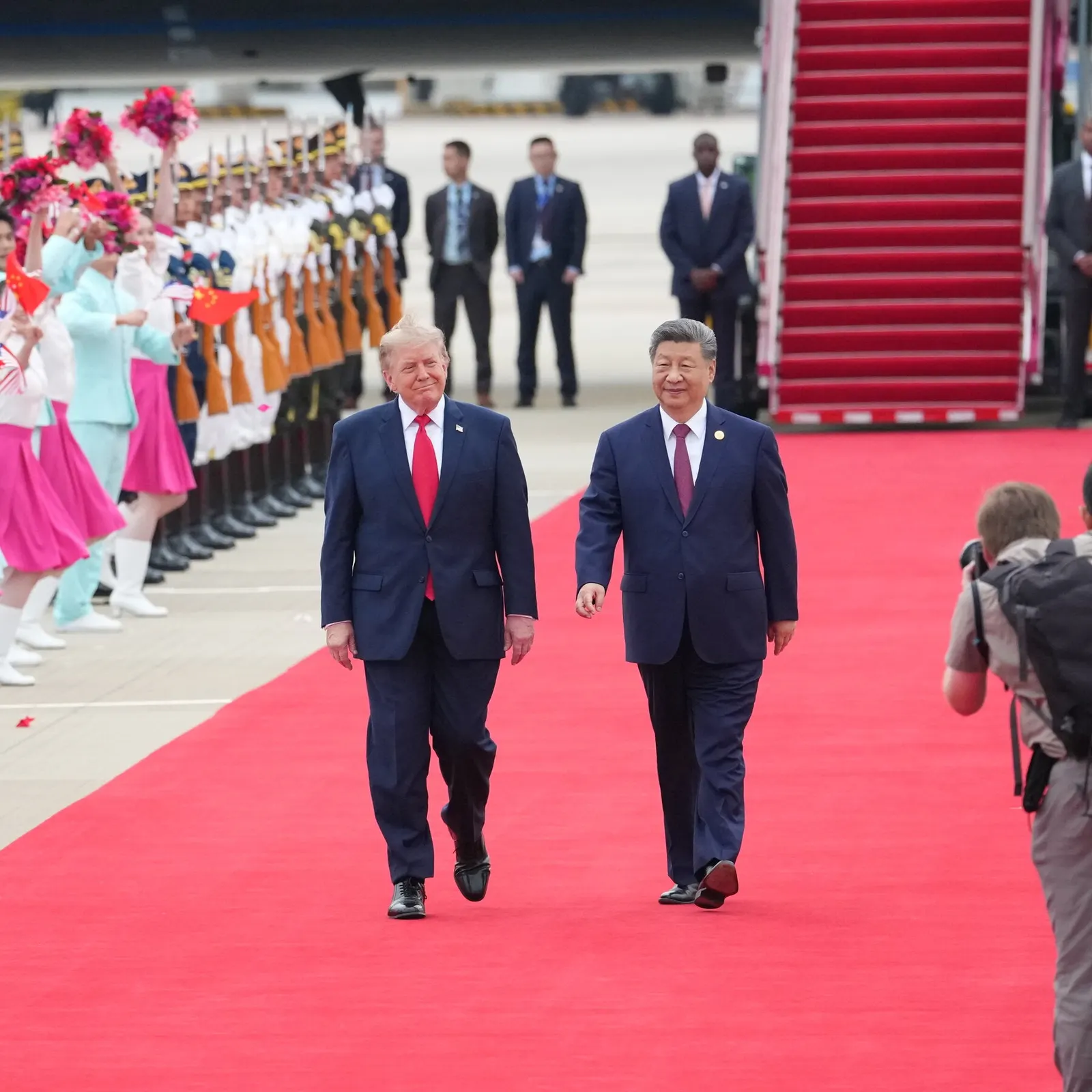
Trump described his involvement as direct persuasion of Nvidia’s board. He said he had communicated directly with the board. According to the Guardian, Trump said he persuaded the board and secured the agreement. He also said Xi Jinping had described Huang favourably during their recent meeting in Shenzhen.1
The president argued that losing Huang’s expertise would pose a greater threat than the national-security concerns surrounding the alleged intelligence asset. The Guardian reported that Nvidia’s shares rose following Huang’s return, increasing the company’s market value by almost $1tn.1
Chips and continuing scrutiny
The Guardian describes Nvidia as producing the world’s most advanced semiconductors, which support artificial intelligence. US export restrictions have prevented it from supplying its most sophisticated models to China, the newspaper reported. Huang has argued that easing regulation would preserve Chinese reliance on American technology rather than encourage China to develop alternatives.1
Republican intelligence committee chair Tom Cotton said the Nvidia and Megaspeed controversy remained unresolved despite Huang’s reinstatement, according to the Guardian. His response contrasted with supportive Chinese social-media posts, where accounts circulated memes and AI-generated videos depicting Huang’s return through fictional revenge scenarios.1
One influential Chinese blogger shared a video recasting Huang in The Terminator with an audience of more than 1.1 million followers, the Guardian reported. The Washington Post, meanwhile, framed the return around relief in Asia and the support that persisted after the executive’s reported admission of an affair.12
Why it matters
For European readers, the story concerns the leadership of a semiconductor producer whose products underpin artificial intelligence, according to the Guardian. It also brings together US restrictions on advanced-chip exports to China and competing arguments about technology dependence and national security.1
Related stories
Version history
- version 1 ·