Global survey records decline in trust in science after pandemic
The 2026 Wellcome Global Monitor, based on 2025 fieldwork, found that confidence in science has fallen from its pandemic-era high. The survey also identified a widening gap linked to financial circumstances.
A global survey found that trust in science declined after its rise during the COVID-19 pandemic, with the sharpest differences linked to financial security.
- Survey covered more than 140,000 adults in 140 countries.
- Trust was reported lower than during 2020.
- Strong trust fell below pre-pandemic levels.
- Financially comfortable respondents showed higher strong trust.
- The survey did not establish the cause.
What's new
- More than 140,000 adults were surveyed in 140 countries.
- Reported trust fell from 80% in 2020 to 72% in 2025.
- Strong trust in scientists dropped below its pre-pandemic level.
- Financial hardship was associated with substantially lower strong trust.
Trust in science has declined across the countries covered by the Wellcome Global Monitor after rising during the COVID-19 pandemic, according to the survey’s 2026 findings, which are based on fieldwork conducted in 2025 among more than 140,000 adults in 140 countries.13
Trust falls after pandemic rise
Wellcome said that, in 2025, 72% of participants across the 108 countries covered in each of the three survey rounds expressed at least some confidence in science. That compared with 80% in 2020 and 77% in 2018. The reported proportion with little or no trust rose to 19% in 2025, from 13% in both earlier waves. The survey figures on the 2025 overall trust level are marked as disputed in the dossier.31
The share saying they trusted scientists a lot was 32% in 2025, down from 43% in 2020 and below the level recorded before the pandemic, according to the survey. Despite that decline, Business Standard/Bloomberg reported that scientists remained more trusted than governments and journalists.123
Economic and institutional divides
The monitor found a marked difference by respondents’ financial situation. Thirty-nine percent of people living comfortably on their present income said they trusted science a lot, compared with 20% of those finding it difficult to live on their income. Wellcome said this gap had widened from 13 percentage points in 2018 to 19 points in 2025, while countries with greater economic inequality tended to report lower trust.23
According to Wellcome, trust was lower among respondents who had less faith in national institutions and government or who saw corruption as more prevalent. Business Standard/Bloomberg reported a further association: respondents with substantial confidence in hospitals and health clinics were more likely to trust science.23
Benefits and vaccination
The survey found that 81% of respondents said scientists’ work benefits people like them. However, 37% believed science helps the majority of people in their country, whereas 20% said it helps only a small number. Wellcome’s chief executive, John-Arne Røttingen, said: "We haven’t been good enough at explaining and engaging with those groups and those communities on how science is benefiting them."23
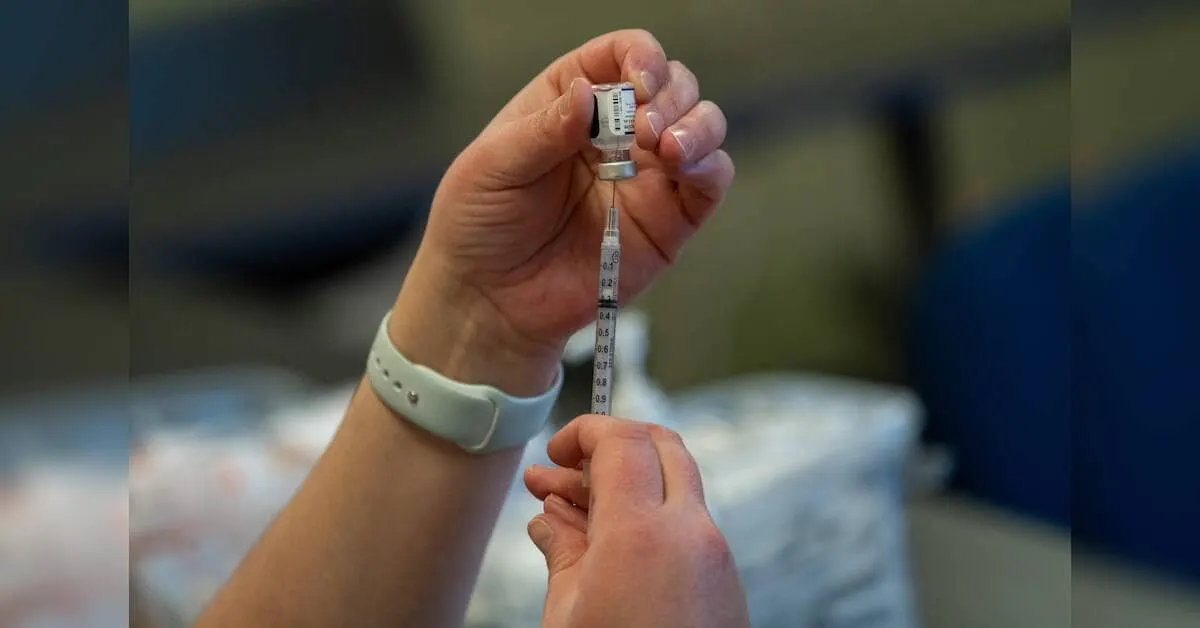
The findings come as childhood vaccination rates have fallen below outbreak-prevention levels in many communities, according to the Japan Times and Business Standard/Bloomberg. They further said the United States was facing its most severe measles outbreak in 30 years. Business Standard/Bloomberg said survey participants willing to promptly take a vaccine advised by a doctor or nurse were twice as likely as non-vaccinators to express strong confidence in science.12
Cause not established
The survey does not determine why trust declined, Business Standard/Bloomberg reported. Røttingen said politicisation during the pandemic probably played a part, stating: "Politics has made some of science more political and that has led to the polarization and maybe a lack of trust."2
Why it matters
For readers in Europe, the results provide cross-country evidence that confidence in science is linked with economic circumstances, institutional confidence and views about who benefits from research. The survey also connects stronger trust with greater readiness to accept a recommended vaccine, an association relevant to public-health communication.23
Videos
Version history
- version 1 ·