Health · Russian Federation
Irkutsk hospitals quarantine contacts after anti-plague institute worker dies
Russian officials said the employee died from pneumonia of undetermined origin and that testing found no microorganism connected to her work. Reports of hospital restrictions and claims involving plague remain under scrutiny.
An Irkutsk anti-plague institute employee died after developing severe pneumonia, prompting quarantines and monitoring. Russian officials said the situation was stable and reported no laboratory accident or work-related pathogen.
- Shipilova’s pneumonia remains of undetermined origin.
- Officials reported no pathogen-handling accident or security breach.
- Contacts were examined and placed under medical supervision.
- Reports differ over the scale of hospital restrictions.
- Claims involving pneumonic plague remain unconfirmed.
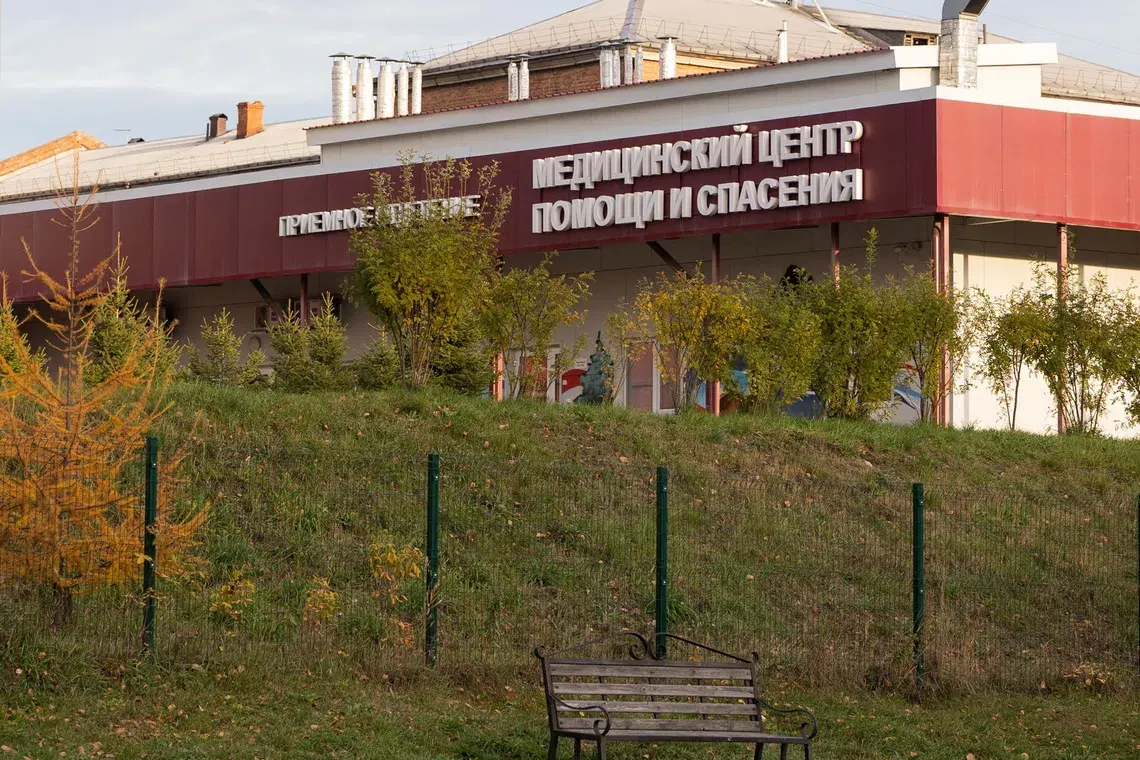
What's new
- Rospotrebnadzor says the regional public-health situation is stable.
- Officials say no laboratory accident or security breach occurred.
- Known contacts have been examined and placed under medical supervision.
- Reports differ over the extent of hospital closures and quarantine measures.
On Oct. 5, Russian officials said health conditions remained stable in Irkutsk, neighboring Shelekhov and the surrounding region following the death of Darya Shipilova, who worked for Irkutsk's anti-plague research institute. Her death prompted quarantines, medical monitoring of contacts and precautions at hospitals and a local industrial plant, while officials said her illness was pneumonia of undetermined origin.1234
Death followed by conflicting accounts
Local media identified Shipilova as a 28-year-old laboratory technician at the institute. Meduza reported that she was admitted to hospital on Sept. 29 and died two days later in Shelekhov. Rospotrebnadzor, Russia’s public-health watchdog, said special measures followed a case of pneumonia whose cause had not been established; laboratory analysis found no microorganism associated with her professional duties.1234
Media accounts raised the possibility of pneumonic plague, but no hospital document cited by Meduza contained that diagnosis. One account said Shipilova became ill after returning from Thailand, while another alleged that she broke a test tube containing the plague pathogen. These reports have not been confirmed. Alexey Tsydenov, the head of neighbouring Buryatia, initially referred to a woman who had died of plague before changing his wording to say she may have done so.12
Rospotrebnadzor said there had been no accident involving pathogenic microorganisms at the institute. The institute’s commission and the watchdog also concluded that there had been no emergency or security failure. According to The Moscow Times, no other institute employee had reported an infectious-disease complaint during the preceding 10 days.124
Quarantines and local precautions
Accounts differed over the breadth of the restrictions. Meduza reported that several Irkutsk hospitals entered three-week quarantines and closed, while Euronews said several hospitals were quarantined and the Central District Hospital in Shelekhov was shut. The Moscow Times, by contrast, reported that hospitals in the area were maintaining their usual schedules except for measures in specific locations.124
Euronews reported that more than 60 institute employees were isolated inside the building and that ambulances carrying Shipilova’s contacts for examination were accompanied by FSB officers. Parts of the Shelekhov hospital were cordoned off, according to The Straits Times, while the Irkutsk Aluminum Plant instructed workers to wear masks. Regional authorities also posted and later removed advice against travelling to Shelekhov, Euronews reported.34
Governor Igor Kobzev said all identified contacts had been examined and placed under medical supervision. The Moscow Times reported that close contacts were receiving daily laboratory tests and that quarantined relatives might be released the following week. Meduza, citing Izvestia, said 197 people were in quarantine as of Oct. 2 and that Rospotrebnadzor reported no signs of illness among them.123
Official and international response
Kobzev met Anna Popova, Russia’s chief public-health officer, amid reports of a suspected dangerous infection; The Straits Times reported that Popova travelled to Siberia for an emergency meeting. Kobzev also said no additional institute employees had sought medical attention. Kremlin spokesman Dmitry Peskov directed questions to Rospotrebnadzor’s official statements.123
The United States and European authorities were monitoring the reports. US Secretary of State Marco Rubio said the situation warranted attention but was not considered a cause for alarm. A European Commission spokesperson said the commission knew of reports concerning an apparent Russian laboratory incident involving a pathogen that causes plague.2
Why it matters
The case has drawn attention in Europe because the European Commission said it was aware of reports that appeared to involve a plague-causing pathogen. European and US officials were monitoring developments, while Russian authorities maintained that the regional health situation was stable and that no laboratory breach had occurred.124
Videos
Related stories


Version history
- version 1 ·