Climate · United States of America
Isaias heads toward northern Gulf Coast as warnings expand
Hurricane Isaias was forecast to bring storm surge, damaging winds and heavy rain to parts of the US Gulf Coast. Officials in Florida and Alabama declared emergencies and prepared evacuations.
Isaias strengthened as it approached a forecast northern Gulf Coast landfall, prompting emergency measures and oil-production shutdowns.
- Category 2 strength was reported on 9 October.
- Landfall was forecast late Friday or early Saturday.
- Storm surge and flooding threatened Gulf Coast areas.
- Florida and Alabama declared emergencies.
- Oil producers halted 63% of regional output.
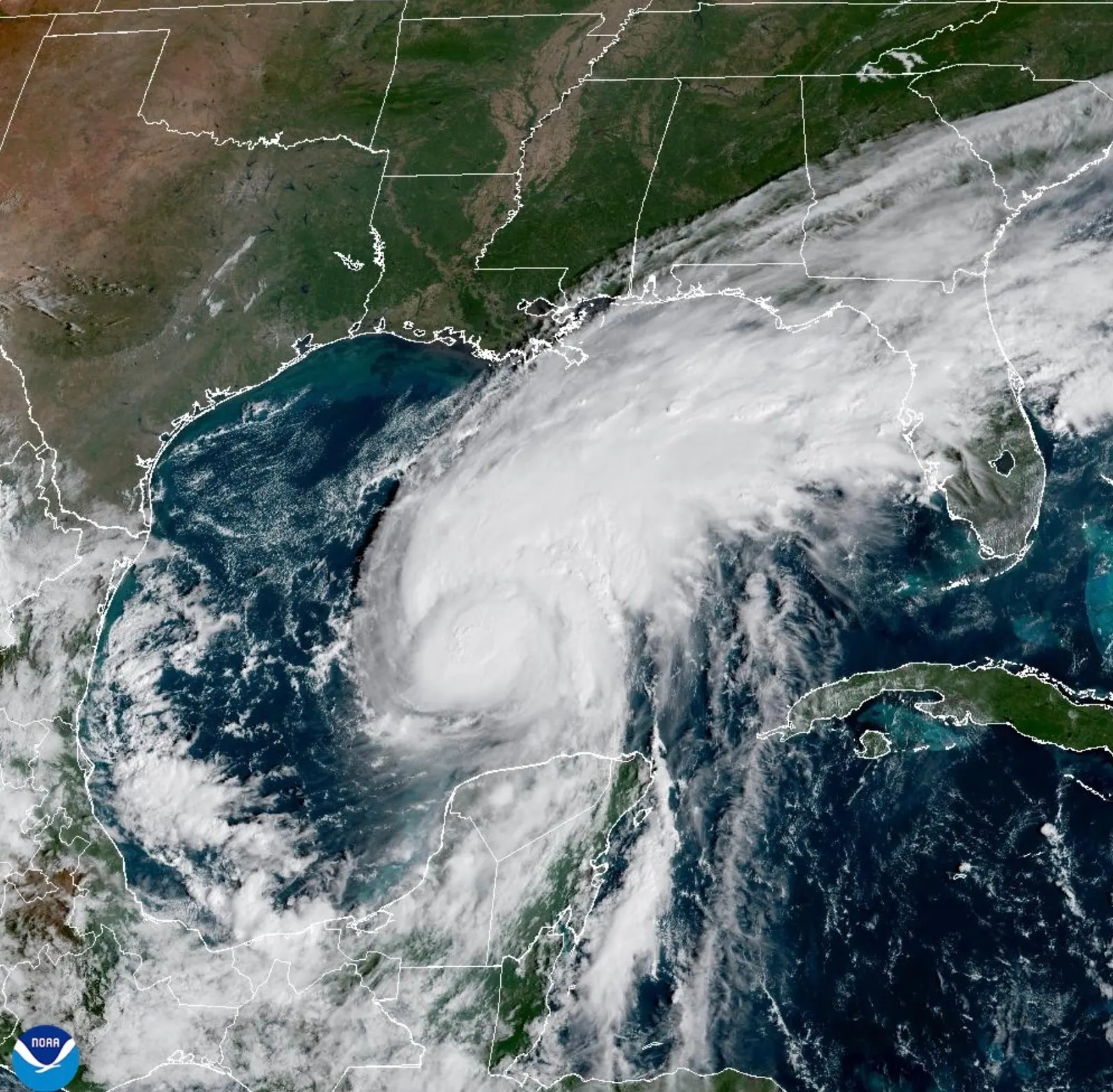
What's new
- Isaias strengthened to Category 2, according to NPR.
- Landfall was forecast for late Friday or early Saturday.
- Pensacola airport was scheduled to suspend commercial flights Friday.
- Oil producers halted about 63% of regional production.
According to NPR and other forecasters between 8 and 10 October, Hurricane Isaias was expected to reach the northern US Gulf Coast late Friday or early Saturday, threatening coastal inundation, strong winds and flooding in the Florida Panhandle and adjoining parts of Alabama and Mississippi.124
Forecast hazards
The Guardian said on 8 October that Isaias had reached Category 1 intensity, producing sustained 85mph winds, and that Gulf Coast locations were under hurricane and storm-surge alerts. It said millions of people from Louisiana to Florida were under hurricane warnings, while the National Weather Service expected the system to strengthen as it neared the northern Gulf Coast. The National Hurricane Center director, Michael Brennan, warned of "multiple dangerous hazards".1
By 9 October, NPR reported that Isaias had strengthened to Category 2 status, with maximum sustained winds of 105mph (165kph). The outlet said the storm was forecast to make landfall in the northern Gulf Coast region late Friday or early Saturday. It reported a possible storm surge of 5 to 7 feet in parts of Alabama and Mississippi, up to 15 inches of rain in coastal areas, and heavy rain and flooding risks extending as far as Tennessee and North Carolina.2
Weather.com reported on 10 October that the hurricane was less than 260 miles south of the Mississippi River mouth and travelling northeast at 14mph. It said Isaias could briefly reach Category 3 strength, though its most likely intensity near landfall was Category 1 or Category 2 and it was not expected to come ashore as a major hurricane. The outlet forecast damaging winds from extreme southeastern Louisiana and southeastern Mississippi through Alabama, the Florida Panhandle and western Georgia.4
Emergency preparations
According to The Guardian, Alabama put 40 counties under an emergency declaration on 8 October, and Florida issued a similar declaration covering 25 counties. Okaloosa County ordered some coastal residents to leave, Panama City declared a local emergency, and several school districts announced closures. Alabama governor Kay Ivey said the order "will allow us to take any needed steps ahead of landfall".1
NPR reported on 9 October that Ivey directed visitors and other non-residents to leave Gulf Shores, Orange Beach and Dauphin Island. It also reported that Florida National Guard troops were expected to mobilise and that Pensacola airport was scheduled to close to commercial flights on Friday morning. The National Weather Service warned that power outages could last for an extended period, NPR said.2
Economic and wider disruption
Offshore oil and gas producers halted about 63% of regional oil production and evacuated platforms, NPR reported. The shutdown temporarily removed nearly 1.3 million barrels of oil a day from the market. The Federal Aviation Administration also warned that the storm could "lead to Gulf route closures", according to The Guardian.12
Forecasts also pointed to hazards beyond the immediate coast. The Guardian said rainfall of 3 to 7 inches was expected from southeastern Louisiana to Florida's Big Bend, with isolated totals up to 15 inches possible in the Florida Panhandle and Big Bend. It reported a risk of isolated tornadoes on Friday night in coastal Alabama, the Florida Panhandle and far southwestern Georgia. Weather.com forecast locally possible flash flooding across much of the Southeast, Appalachians, Ohio Valley and parts of the mid-Atlantic.14
Why it matters
The storm threatened populated Gulf Coast areas with surge, wind, flooding and possible prolonged power outages. For readers in Europe, the disruption to Gulf oil output is relevant to monitoring international energy markets: NPR reported that nearly 1.3 million barrels a day had temporarily been removed from the market.2
Videos
Version history
- version 1 ·