Health · United States of America, India, People's Republic of China
Two Indian Nationals Charged Over Counterfeit Ozempic Smuggling
US prosecutors say Swapnadip Roy and Vicky Ramancha ran a scheme to bring fake Ozempic from China into American drug supply chains, continuing after FDA warnings in 2023.
Two Indian nationals based in Dubai have been indicted in Florida for allegedly smuggling counterfeit Ozempic from China into the US drug supply.
- Roy, 33, and Ramancha, 37, charged with conspiracy and smuggling
- Scheme allegedly ran July 2023–April 2024, using fake packaging
- Kept going even after the FDA's December 2023 seizure and public alert
- Roy extradited from Italy, pleaded not guilty in Tampa
- Some reports cite up to 71 years possible prison time
What's new
- Federal grand jury in Florida indicts two Dubai-based Indian nationals
- Swapnadip Roy extradited from Italy, pleads not guilty in Tampa
- DOJ says scheme continued after FDA's 2023 seizure and warning
- CBS reports defendants urged distributors to ignore compliance concerns
The Department of Justice announced on September 29, 2026, that a federal grand jury sitting in Florida's Middle District had returned an indictment against two Indian nationals residing in Dubai, Swapnadip Roy, 33, and Vicky Ramancha, 37, accusing them of conspiring to bring counterfeit Ozempic into the country from China.15
The charges
According to court documents cited by prosecutors, the pair are charged with a single conspiracy count covering smuggling and defrauding the US government, along with three separate smuggling charges and two charges related to selling counterfeit medication.12
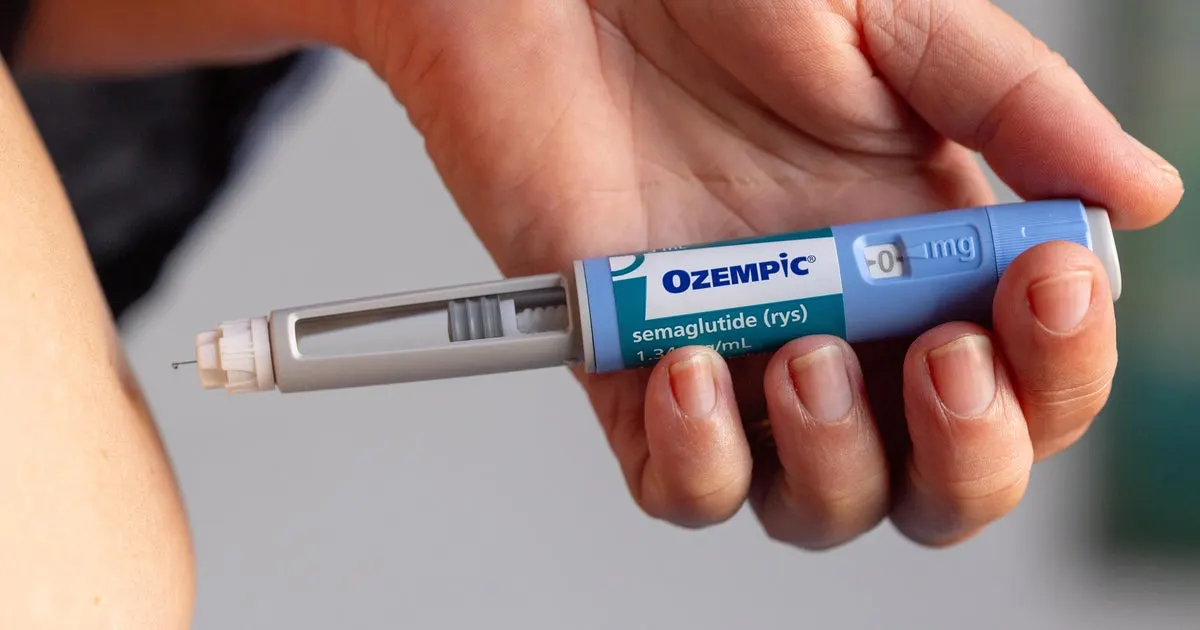
Prosecutors allege that from July 2023 through April 2024, Roy and Ramancha sourced fake Ozempic through illegitimate Chinese suppliers and offered it to American distributors at steeply reduced prices. The counterfeit product came with fake packaging, package inserts, pen labels and needles designed to convince buyers they were receiving the genuine medicine.3456
CBS News reported that the defendants allegedly encouraged companies involved in the distribution chain to ignore compliance concerns and threatened individuals connected to the scheme. The outlet also reported that Ramancha facilitated delivery of about 11,000 units of counterfeit drugs to a warehouse in Ohio in March 2024.2
Extradition and court appearance
Following his extradition from Italy, Roy showed up for his first court hearing in the U.S. District Court in Tampa, Florida, where he pleaded not guilty, according to reports of the September 29 proceedings.3578
Scheme continued after FDA warning
In December 2023, the FDA confiscated fake Ozempic supplies and alerted the public to the danger these products posed. Prosecutors said the smuggling and distribution scheme continued even after that seizure and warning.1356
The FDA said it began issuing public safety alerts about counterfeit Ozempic starting in December 2023, and that Roy, Ramancha and co-conspirators kept distributing the fake drug afterward.6
Officials' statements
Assistant Attorney General A. Tysen Duva of the Justice Department's Criminal Division warned that fake prescription drugs put public health at risk, saying the defendants "allegedly exploited people's health to pay themselves" and promising ongoing efforts to pursue those who trick consumers with counterfeit medicine.15
Assistant U.S. Attorney Christopher Murray said his office would not tolerate actors corrupting the pharmaceutical supply chain, while FDA Assistant Commissioner Justin Green said drug safety does not stop at the US border and that the agency works with other federal agencies to protect the drug supply. Acting FDA Commissioner Kyle Diamantas said infiltrating the American drug supply with counterfeits is a direct threat to public health and that the FDA would keep tracing illicit networks across borders.56
Sentencing exposure disputed
According to CNBC and The Straits Times, the defendants could be sentenced to as many as 71 years behind bars if found guilty. The figure was not repeated in the Justice Department's own statement or in reports by CBS News and newsindiatimes.com.13
Rising demand for GLP-1 drugs
Novo's Ozempic carries a monthly price tag reaching several hundred dollars, a cost that journalists have pointed to as fueling interest in cheaper counterfeit versions. CNBC reported that the share of US adults taking GLP-1 medications for weight loss rose to 11% in 2026 from 3% in 2024, and that 15% of US adults report having used a GLP-1 drug for weight loss at some point, a nine-percentage-point increase over 2024.381
Why it matters
The case illustrates how counterfeit versions of widely used weight-loss drugs can move through transnational networks spanning China, the Gulf and the United States, exploiting rising global demand and high list prices.21
Version history
- version 1 ·