HIV Injections Outperform Daily Pills in African Teen Trial
The LATA trial found eight-weekly injectable HIV therapy kept the virus suppressed better than daily tablets in adolescents across four African countries, though the treatment remains largely unavailable on the continent.
A Lancet-published trial found injectable HIV therapy given every eight weeks suppresses the virus better than daily pills in African adolescents, but the treatment remains largely unavailable in Africa.
- 476 adolescents in four African countries took part in the LATA trial
- Viral rebound: 1% on injections vs 6% on daily tablets after 96 weeks
- 94% preferred eight-weekly injections over daily pills
- Injectables unavailable in Africa outside a few clinics, due to cost
What's new
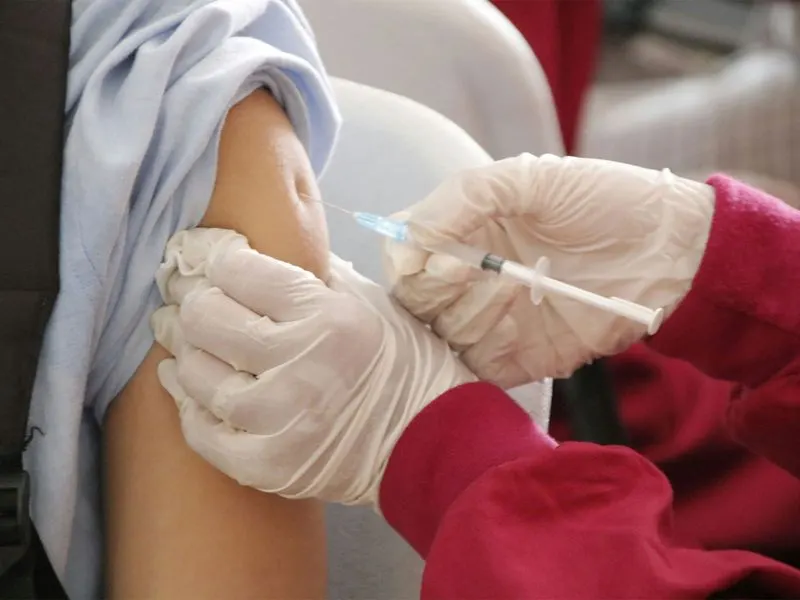
- Lancet-published LATA trial shows long-acting injectable cabotegravir-rilpivirine outperforms daily pills in adolescents
- Viral rebound occurred in 1% of the injectable group versus 6% of the daily-tablet group after 96 weeks
- 94% of adolescents on injections said the treatment was much easier than daily pills
- Researchers warn injectables remain largely unavailable in Africa outside a few clinics
According to researchers behind the study, a trial published in The Lancet showed that an injectable HIV drug administered once every eight weeks did a better job of controlling the virus than daily pills among 476 teenagers aged 12 to 19 treated at five clinics in Kenya, South Africa, Uganda and Zimbabwe.152
Trial design and results
The LATA trial randomly assigned adolescents who had already spent more than a year on tablet treatment with fully suppressed HIV to either continue daily antiretroviral tablets or switch to injections of cabotegravir and rilpivirine every eight weeks. Almost all participants had acquired HIV at birth, according to the dossier sources.5341
The study found that by the 96-week mark, just 1% of those on injections experienced a confirmed return of detectable virus, versus 6% of participants taking daily tablets. Researchers reported that 94% of the teens getting shots described the eight-week regimen as far simpler than swallowing pills every day.2345
Sarah Pett, chief investigator at the UCL Innovative Clinical Trials Unit, said the results were notable in comparison with earlier trials in adults. "The benefits of this form of treatment for adolescents are stronger than we have seen for adults," she said.2
Why daily pills are harder for teenagers
Sources cited in the dossier note that teenagers often struggle with daily pill regimens due to social stigma, being teased by peers, and difficulty sticking to a consistent schedule. Pett said adolescents with HIV have historically fared worse on antiretrovirals than adults, adding that injectable treatment "can help young people to lead a more normal life," according to her comments to researchers.53
Dossier sources indicate that HIV affects roughly 1.6 million young people between 10 and 19 worldwide, with nine in ten of those cases concentrated on the African continent. Pett noted that despite this concentration of cases, the treatment remains largely inaccessible on the continent: "Nine out of 10 adolescents with HIV live in Africa yet currently this treatment is not accessible to them," she said.2341
Access and cost barriers
Per the sources, the World Health Organization already endorses the injectable option for adults and teens whose HIV is suppressed and who lack active hepatitis B, and it is being used in wealthier regions such as the U.S. and Europe for patients 12 and up.2534
In Africa, however, injectable treatment is not accessible except at a small number of clinics, according to researchers. Mutsa Bwakura-Dangarembizi, a trial physician and principal investigator at the Harare site in Zimbabwe, said: "But we have a major problem right now in Africa and other low- and middle-income settings, where these long-acting injectables are simply not available for use."231
Researchers attributed the limited availability to cost, since the injectable drugs remain under patent and are more expensive than tablets, with no agreement yet reached on a generic version, according to the dossier. Sources added that rilpivirine must be kept cold throughout distribution and storage, and trained nurses are required to give the shots every eight weeks—both factors that strain healthcare infrastructure.2534
Deborah Ford, corresponding author on the trial paper from the UCL Innovative Clinical Trials Unit, said: "The lack of availability of injectable treatments in Africa risks increasing inequalities in HIV care, leaving most people living with HIV without access to treatments that are available in high-income settings."23
Why it matters
For readers in Europe, where injectable HIV therapy is already available, the trial highlights a widening gap in access between high-income settings and the African countries where the majority of adolescents with HIV live. Researchers noted that extending the trial's benefits to more people will depend on future long-term research alongside progress on drug costs, distribution networks and health system capacity.52
Version history
- version 1 ·