Science & Tech · United States of America
Meta introduces Muse Wonder AI model series
Meta has launched Muse Wonder and Muse Wonder Full, a new series of artificial-intelligence models for agentic tasks. The company says the models are now available through selected products and will begin powering more of its Muse service.
Meta has launched the Muse Wonder AI series and made it available through its API and coding tools. The company says the models will begin powering its Muse agent service for subscribers.
- Muse Wonder and Wonder Full launched October 12.
- Wonder is available via Meta Model API and Muse Code.
- Wonder Full is available to Muse Code subscribers.
- Meta says the models improve complex agentic work.
- Independent performance verification is not provided.
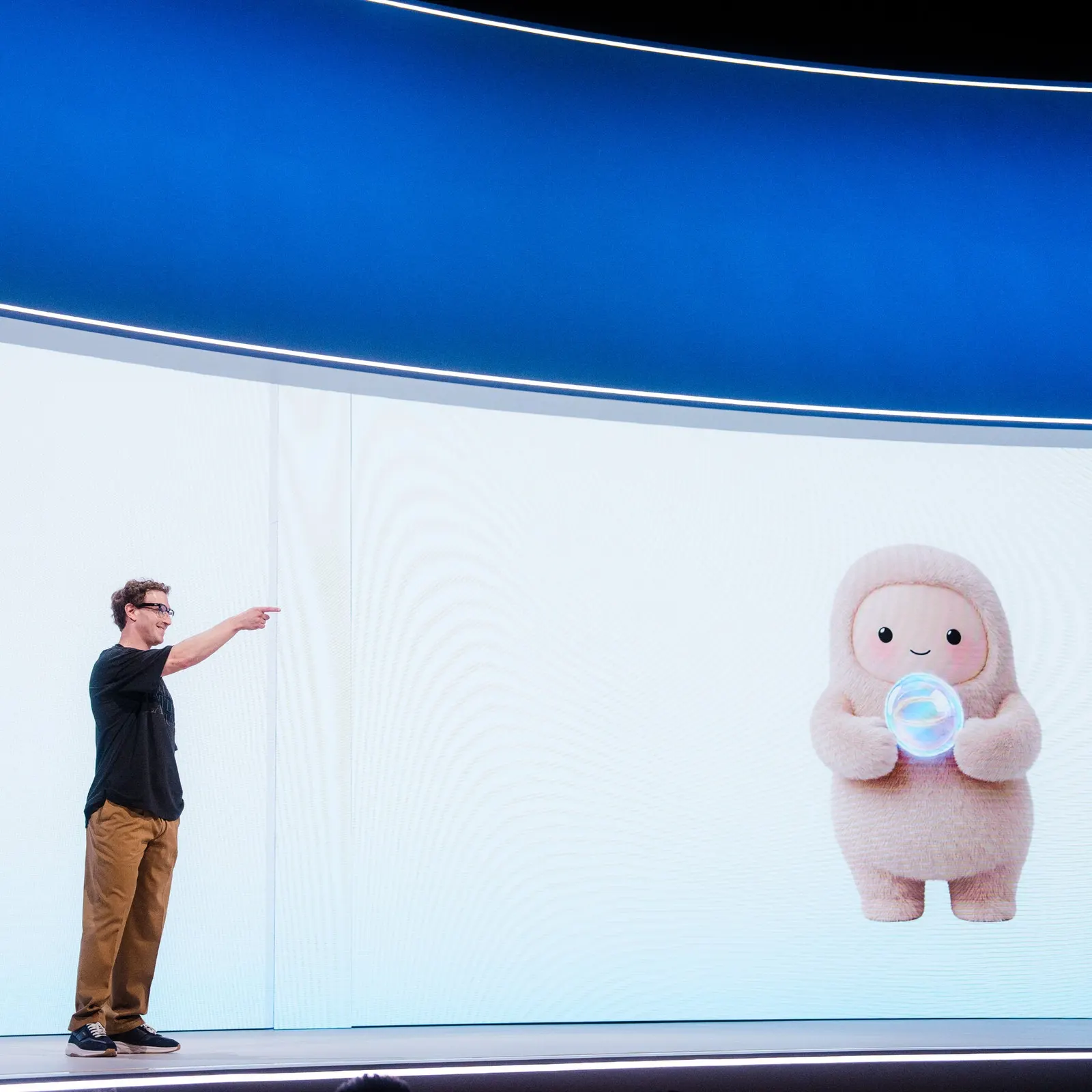
What's new
- Meta introduced Muse Wonder and Muse Wonder Full.
- Muse Wonder is available through Meta Model API and Muse Code.
- Muse Wonder Full is available to Muse Code subscribers.
- Meta says Muse will receive the models first for subscribers.
Meta unveiled its Muse Wonder and Muse Wonder Full artificial-intelligence models on October 12, saying the new systems will be used for agentic tasks and made available through its Meta Model API and Muse Code. The company said the rollout into its Muse personal-agent service would begin with subscribers.35
A new model family
The Wonder series follows Meta’s Spark models, which were launched in April. Meta described Spark as its first model family, designed as a lightweight system capable of low-latency operation. The company and outside reporting have described the Wonder models as larger and more capable, with stronger benchmark results and improved performance on complex coding tasks.14
Meta said Muse Wonder and Muse Wonder Full were trained at the Prometheus data center. The company said Muse Wonder delivers what it calls state-of-the-art results in personal and professional agentic work, including expert fields such as law, finance and health, and said it has frontier-level coding performance. Meta also said it intends to use the model to develop specialised systems for Muse users.35
According to The New York Times, the new models are intended to compete with advanced AI offerings from rivals including Anthropic and OpenAI. The Straits Times reported that Meta said the Wonder models perform at a level comparable with OpenAI’s ChatGPT and Anthropic’s Claude. It also reported that Meta cited benchmarking data showing the models ahead of Spark and several systems from Anthropic, OpenAI and Google; those performance claims were made by Meta and are not independently established in the dossier.12
Tools and deployment
Meta said Muse Wonder can now be accessed using its Model API and Muse Code, whereas Muse Wonder Full is offered to Muse Code subscribers. The company said Wonder will soon power more experiences in Muse, beginning with subscribers, including artifact generation and processes requiring greater intelligence. The Straits Times reported that Muse can autonomously carry out tasks including coding, research, shopping and reservation bookings.135
The company said two features, Active Memory and Active Focus, are intended to help the models retain relevant information between conversations and persist with difficult work. Meta said Active Focus can recover from errors and seek clarification when appropriate. It also said the Wonder family is trained not to disclose private information without permission and to reject requests involving harmful acts.3
Safety and investment context
Meta said developers and security teams can use Muse Wonder to identify weaknesses in their own code and reinforce systems against cyber attacks. It said training, evaluation and release of its most capable models follow its Meta Superintelligence Scaling Framework, and that a fuller report containing additional safety evaluations would be released. According to Zuckerberg, Meta postponed Muse’s release for several months so it could concentrate on safety and security.13
The launch comes after Meta overhauled its AI efforts, which it said had moved from rebuilding foundations to pushing the frontier. In June 2025, Meta invested in Scale AI and hired its co-founder Alexandr Wang; The Straits Times reported that Zuckerberg made Wang chief AI officer overseeing the newly formed Superintelligence Labs. The same outlet reported that Meta’s AI-related investment spending could reach US$145 billion in 2026, a projection that remains unconfirmed in the dossier.135
In September, Zuckerberg and five other American technology executives signed a commitment to build safeguards around advanced AI models, according to The Straits Times. The outlet reported that US President Donald Trump called the commitment morally binding. It also reported that Anthropic chief executive Dario Amodei said development would be slowed as necessary to ensure safety in successive releases.1
Why it matters
For readers in Europe, the launch adds another major company to the competition around advanced AI systems, according to The New York Times. Meta is positioning the models for both personal and professional agentic tasks, while making them available through an API and coding product. The company’s safety claims and planned further evaluations are therefore part of how the release should be assessed.23
Videos
Version history
- version 1 ·