World · South Africa, Norway
Navi Pillay named winner of 2026 Nobel Peace Prize
The South African jurist and former United Nations human rights commissioner was awarded the prize on 9 October. The recognition was presented as an award for work promoting peace and international law.
Navi Pillay was named the 2026 Nobel Peace Prize winner, with reporting linking the honour to her work on international law.
- Pillay was named the 2026 prize winner.
- She is a South African jurist and lawyer.
- Reporting linked the award to international law.
- Israel rejected a Gaza investigation finding she led.
- The Nobel committee introduced ethics rules this year.
What's new
- Pillay was named the 2026 Nobel Peace Prize winner.
- The award cited efforts to promote peace and international law.
- Israel rejected a Gaza finding by an investigation led by Pillay.
- The Nobel committee introduced ethics rules this year.
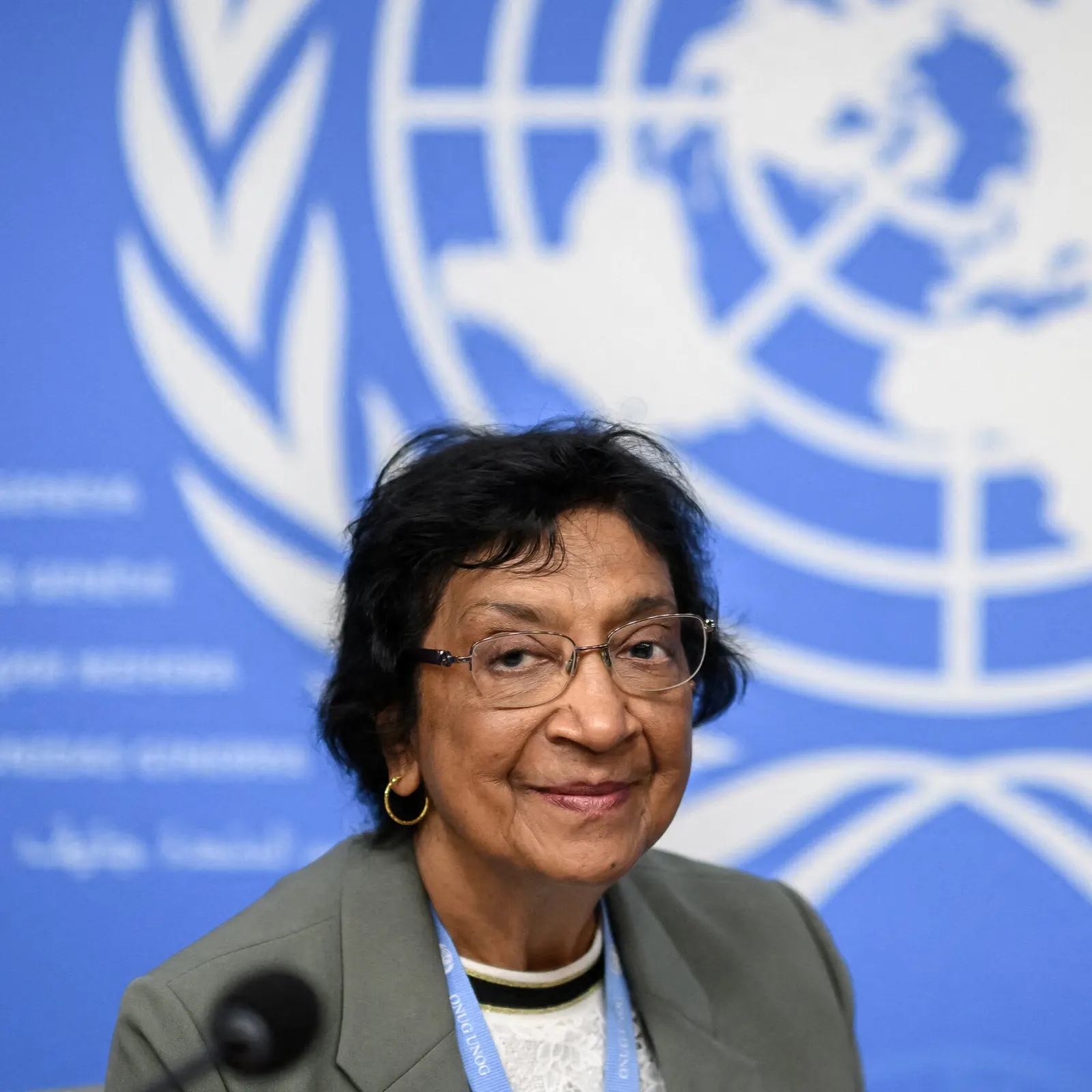
Navanethem “Navi” Pillay, a South African lawyer and former United Nations High Commissioner for Human Rights, was named winner of the 2026 Nobel Peace Prize on 9 October. The Norwegian Nobel Committee awarded her the prize for efforts described as promoting peace and international law.12
Award announcement
Pillay is identified as a South African lawyer and jurist who previously headed the U.N. human rights office. She was named the recipient of the Nobel Peace Prize in reporting published on 9 October. The Guardian’s framing of the announcement linked the award to her efforts to advance international law, while The New York Times identified her as a former U.N. human rights commissioner.12
The prize was awarded by the Norwegian Nobel Committee, a five-person body. Jørgen Watne Frydnes is identified as chair of the committee.12
Gaza investigation
According to The New York Times, the prize follows a Pillay-led inquiry that found Israel responsible for genocide against Gaza's Palestinian population. That conclusion is an attributed finding of the investigation rather than an uncontested account: the Israeli government rejected it.1
It also does not give the Israeli government’s reasons for rejecting the finding. Those omissions limit what can be established from the available reporting beyond the investigation’s conclusion and Israel’s rejection of it.1
Committee ethics rules
The Nobel Peace Prize committee introduced ethics rules this year, according to The New York Times. The move followed reports that a former member of the committee had been linked to Jeffrey Epstein, who is described in the dossier as a convicted sex offender.1
The available material does not identify the former committee member, specify the nature of the reported link, or describe the content of the new ethics rules. It also does not state whether those rules had any bearing on the decision to award the 2026 prize to Pillay.1
Why it matters
The award places international law at the centre of the Nobel Peace Prize announcement, according to the Guardian’s description of the decision. For readers in Europe, it is relevant because the prize recognises a jurist whose work is associated with international law and because a major finding from an investigation she led has been rejected by the Israeli government.12
Videos
Related stories
Version history
- version 1 ·