World · New Zealand
New Zealand ruling coalition falls one seat short of majority
Final results leave Christopher Luxon’s coalition needing additional support to govern. Opportunity leader Qiulae Wong is preparing for talks but has set conditions for any agreement.
Listen to the story
Short version
New Zealand’s governing coalition is one seat short of a majority after the final election count. National is preparing for negotiations with Opportunity.
- The ruling bloc has 65 seats; a majority requires 66.
- Opportunity has set conditions for supporting a government.
- Wong rejects Peters remaining foreign affairs minister.
- Recounts could change the parliamentary arithmetic.
What's new
- Final results leave the governing bloc with 65 seats, below the 66-seat majority threshold.
- Opportunity is preparing to negotiate with National over support for a government.
- National has until December 3 to apply for recounts that could alter the outcome.
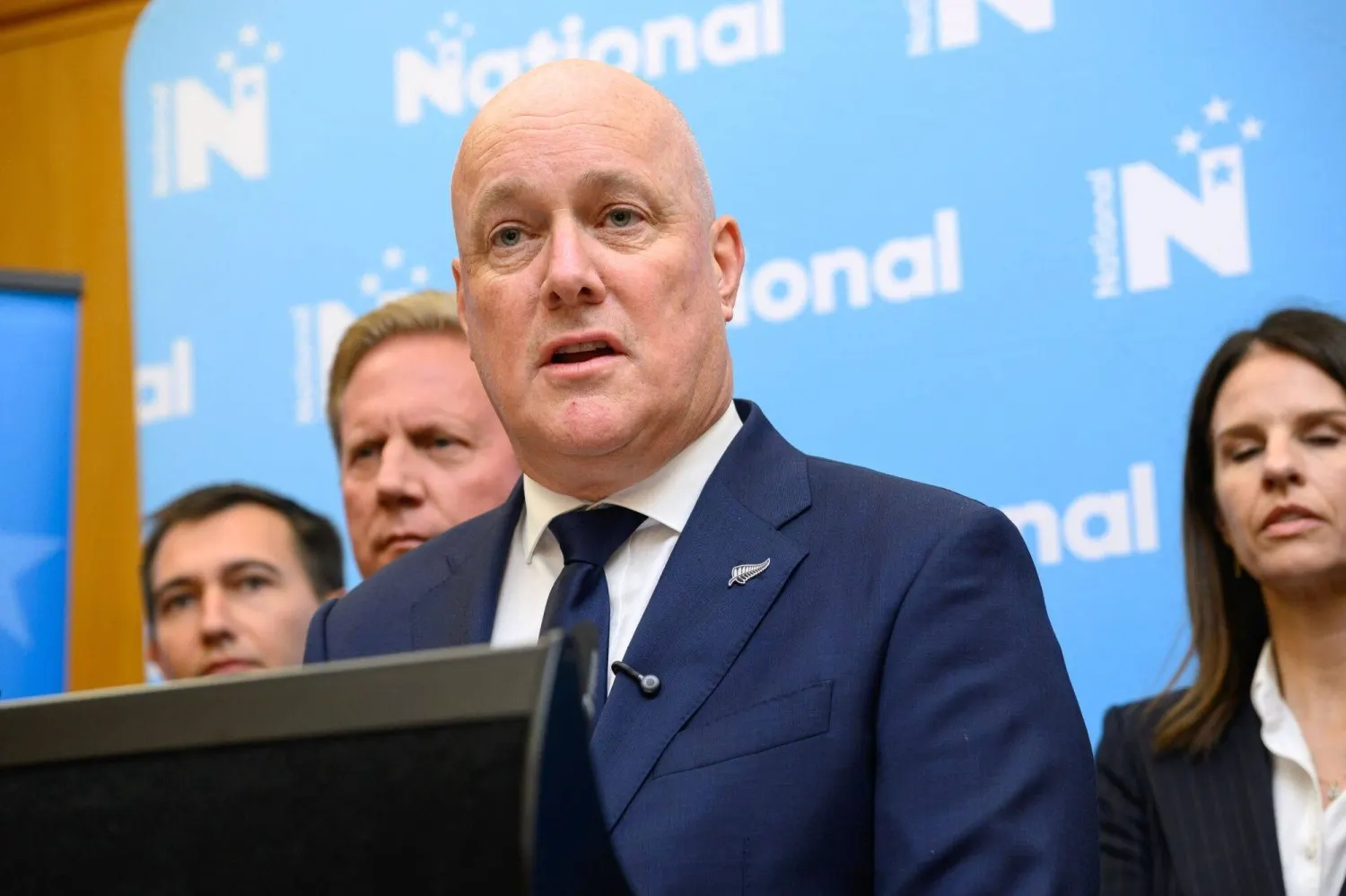
New Zealand Prime Minister Christopher Luxon’s governing coalition finished one seat short of a parliamentary majority in final election results released on November 27, 2026, leaving it seeking support from the centrist Opportunity Party after this month’s vote.1234
Final count changes the arithmetic
The National-led bloc holds 65 seats in a 130-seat parliament, with 66 required for a majority, according to the Guardian. ABC Australia reported that preliminary results on November 7 had given Luxon’s coalition a two-seat majority, before the final count changed its position.13
The BBC reported that National secured 40 seats, ACT 13 and New Zealand First 12. It put Labour on 36, the Greens on 17, Te Pāti Māori on five and Opportunity on seven. National lost two seats after special votes were included, according to the BBC.2
Those votes include ballots cast overseas or outside a voter’s registered electorate, the BBC reported. The Guardian reported that Labour took Wairarapa from National by 81 votes and Hamilton East by 173, while the Greens took Wellington Bays from Labour by 1,610.12
Opportunity sets conditions
Opportunity leader Qiulae Wong said her party would negotiate with National while keeping its options open. The Guardian described Wong as an Auckland businesswoman leading a newcomer centrist party, and reported that Opportunity had committed to speaking first with the party winning the most seats.12
Wong has said Opportunity would not support the existing coalition if New Zealand First leader Winston Peters remained foreign affairs minister. She has also insisted that the party’s conditions for joining or supporting a government cannot be negotiated away.13
According to ABC Australia, Opportunity’s requirements include lobbying regulation, measures on supermarket competition, a new health-sector plan and renewed commitment to the Paris Agreement. The Guardian also identified political donations and bottom trawling among its conditions. ABC reported that Opportunity could support confidence and supply while remaining outside the government.13
The Japan Times reported differences between Opportunity and the governing coalition over environmental policy and government investment. Political observers cited by the newspaper said negotiations over either a coalition agreement or confidence-and-supply arrangement could extend into next year.4
Recounts and alternative arrangements
Labour, the Greens and Te Pāti Māori would still lack a majority with Opportunity’s support, ABC Australia reported. But the broadcaster also identified a separate possibility: New Zealand First could reach an agreement with centre-left parties to form a government.3
A recount could offer National another route. According to the Guardian, reversing one changed electorate result could restore a narrow majority without Opportunity. Applications must be submitted by December 3, and the results could take a further five days.1
If negotiations fail to produce a majority government, another election could follow. ABC Australia reported that the Electoral Commission was prepared if one were called. Luxon cautioned against haste, saying: “Kiwis won't thank us for rushing to an agreement that falls apart or for sending them back to the polls.”134
Why it matters
For European readers following climate commitments, the talks include Opportunity’s demand for renewed commitment to the Paris Agreement. The negotiations also concern who would hold New Zealand’s foreign affairs portfolio, with Wong rejecting an agreement that leaves Peters in that role.13
Videos
Related stories
Version history
- version 1 ·