Business · United States of America
Nvidia Raises Share Buyback Authorization by $150 Billion
Nvidia's directors signed off on adding $150 billion in buyback capacity, pushing the overall remaining authorization to $235 billion, an amount the company says it plans to spend down by the end of fiscal year 2028.
Listen to the story
Short version
Nvidia's board approved a $150 billion increase to its share buyback program, lifting total remaining authorization to $235 billion, through fiscal 2028, following an $80 billion increase in May.
- Board authorized $150 billion buyback increase on 28 September 2026
- Total remaining buyback capacity now $235 billion, through Jan. 30, 2028
- Surpasses Apple's $110 billion 2024 record increase
- Buyback exceeds market cap of ~84% of S&P 500 firms
- Critics say buybacks widen inequality; some doubt AI returns
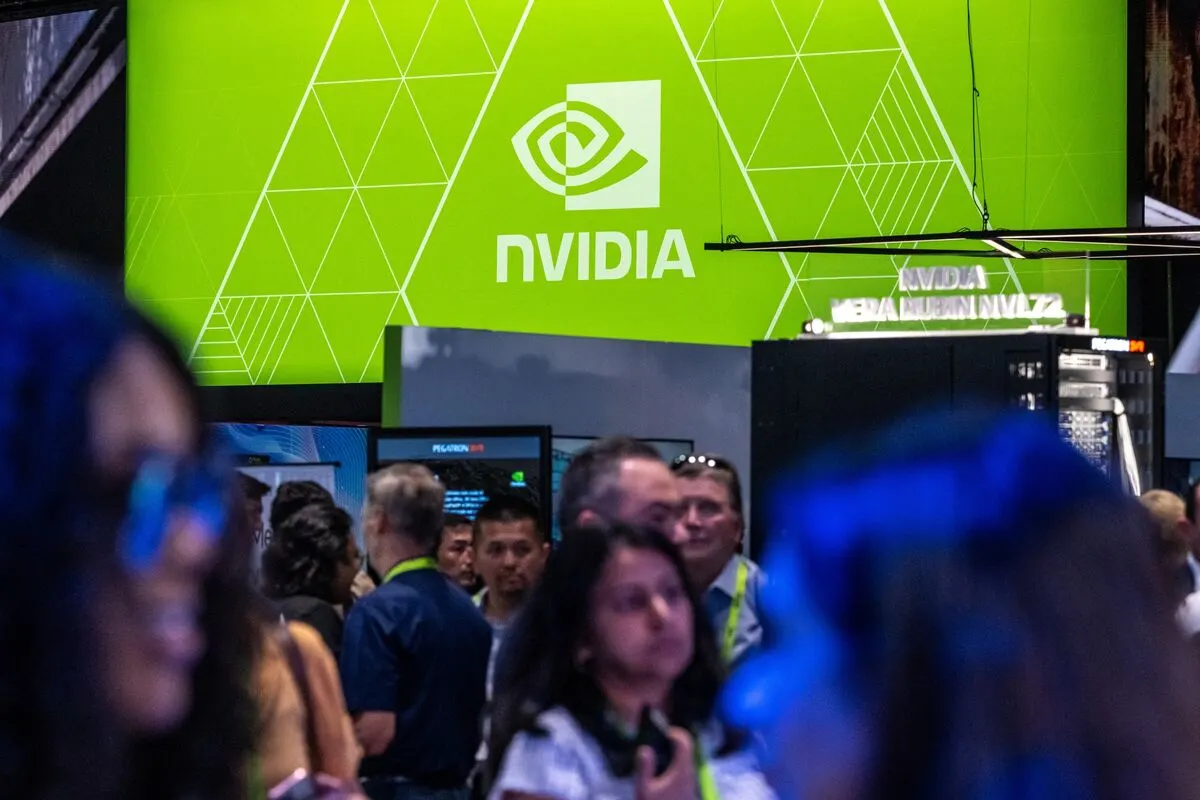
What's new
- On 28 September, Nvidia's directors signed off on adding $150 billion in repurchase capacity, building on an $80 billion expansion the board had approved in May
- Total remaining repurchase capacity now stands at $235 billion, which Nvidia says it will use through the fiscal year ending Jan. 30, 2028
- The increase surpasses Apple's 2024 $110 billion authorization as the largest single buyback increase on record
- Per cp24.com, Nvidia's remaining repurchase capacity is now larger than the combined value of roughly 84% of the companies listed in the S&P 500
- CEO and founder Jensen Huang linked the move to AI-driven cash generation and confidence in long-term demand
- An Emarketer analyst said the move signals confidence that AI hardware demand has staying power, even as broader corporate buybacks slowed
- Advocacy group Americans for Tax Fairness criticized the buyback as an example of how repurchases widen economic inequality, Common Dreams reported
- The Independent noted growing skepticism over whether AI investment will generate returns commensurate with the trillions being spent
Nvidia announced on 28 September 2026 that its board of directors had authorized a $150 billion increase to the company's share repurchase program, raising the total remaining buyback authorization to $235 billion, which the chipmaker expects to execute through fiscal year 2028.152
A record increase
The additional $150 billion authorization adds to capacity previously approved by Nvidia's board rather than replacing it, according to the company. Nvidia said the total remaining buyback authorization now totals $235 billion, a figure independently confirmed by Reuters and CNBC.315
The increase surpasses Apple's $110 billion buyback approval from 2024, making it the largest single increase to a stock repurchase program on record, according to Reuters and Calcalist. In its own announcement, Nvidia called this the biggest jump in a share repurchase authorization ever recorded.675
The latest increase follows an $80 billion buyback authorization Nvidia's board approved in May, according to The New York Times. Nvidia's remaining buyback capacity now exceeds the combined market capitalization of roughly 84% of companies in the S&P 500, cp24.com reported.26
Company's rationale
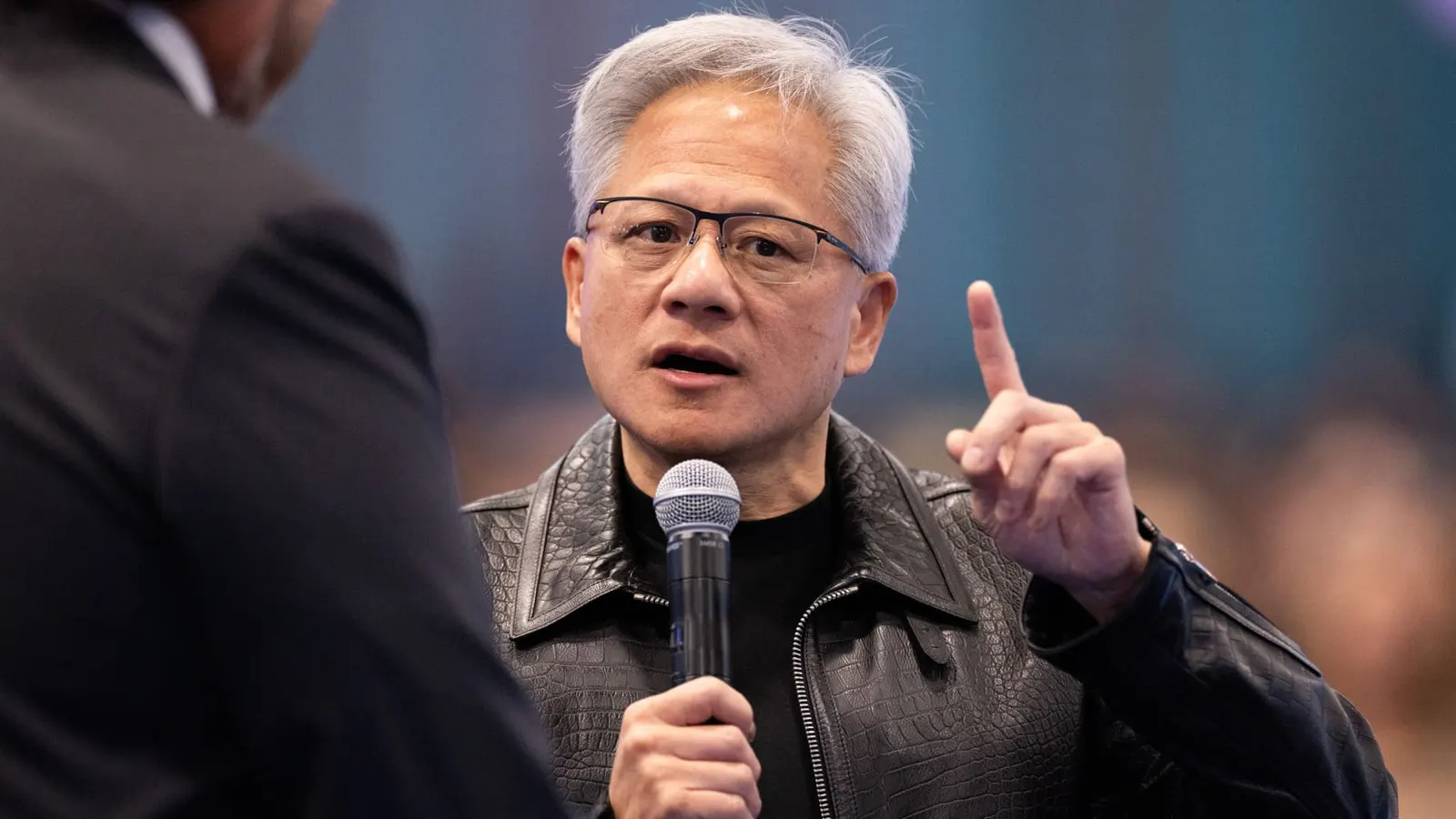
Jensen Huang, Nvidia's chief executive, attributed the company's expansion to what he described as a fundamental turn toward AI-based computing. "NVIDIA's growth is being driven by a once-in-a-generation platform shift to AI and accelerated computing," Huang said. He added: "Our cash generation gives us the capacity to invest in the technologies that advance this transformation and return capital to shareholders."25
Huang said the buyback authorization reflects the company's outlook on future demand. "This authorization reflects our confidence in the long-term opportunity ahead," he said. Speaking on CNBC's Squawk Box, Huang also described the scale of current AI infrastructure investment: "I think we're going through the largest infrastructure buildout in human history, and we have the benefit of being a very central part of that."25
Huang said Nvidia intends to keep returning cash to investors as its revenue grows. "We're going to generate a lot of cash in the coming years, and every single year, as we generate more cash, we'd like to be able to return it back to shareholders," he said. CNBC reported that Huang also said Nvidia anticipates its chip sales volume will double by 2027.2
Market and financial context
According to CNBC, Nvidia shares had climbed 24% over the preceding 12 months and the company's market capitalization had reached $5.42 trillion. Calcalist noted that by Friday's close, Nvidia's stock had risen over 20% year-to-date, and the firm had projected around 70% revenue growth in fiscal 2028.27
According to Reuters, Nvidia's stock was priced at 16.5 times projected earnings for the next year, its lowest valuation since January 2015 and far under its 15-year average ratio of 30. Calcalist reported that by the close of its July quarter, Nvidia held $22.44 billion in cash and equivalents, a total the outlet attributed to rising demand for AI training and inference work.67
CNBC also cited an August projection from S&P Global Ratings that combined capital expenditure among hyperscale cloud computing firms could exceed $1.3 trillion by 2027.23
Corporate stock buybacks broadly slowed in the months before Nvidia's announcement, falling about 50% from July through 23 September, according to cp24.com and Business Day. Nvidia's move bucks that trend, with the company citing strong cash generation tied to AI training and inference demand.68
Analyst reaction
Jacob Bourne, an analyst at the research firm Emarketer, said Nvidia's buyback signals confidence in sustained demand even as the broader AI investment cycle faces scrutiny. "The AI buildout won't continue at its current pace forever, but Nvidia is signaling confidence that demand for its hardware and services has staying power," Bourne said. He added that the company's cash generation is strong enough to support both continued investment and shareholder returns.68
Critics and broader skepticism
Some advocacy groups criticized the buyback as emblematic of a broader trend of large corporate repurchases. Americans for Tax Fairness argued that such buybacks concentrate financial gains among shareholders and widen economic inequality, according to Common Dreams, which also described Nvidia's move as the largest stock buyback in US history amid surging AI-related profits.13
The Independent reported that AI has powered stock market gains and broader US economic growth in recent years, even as skepticism grows over whether the technology will generate returns commensurate with the trillions of dollars invested. The outlet said the AI industry also faces pushback over data-center expansion and concerns about job losses tied to automation.5
Why it matters
Nvidia's buyback signals how a leading AI chipmaker is deploying record cash generation amid what company executives describe as a major infrastructure buildout tied to artificial intelligence.25
Videos
Related stories
Version history
- version 3 · Added a new section on critical and skeptical reactions–covering Americans for Tax Fairness's inequality critique and doubts about AI investment returns–plus the specific fiscal year-end date (Jan. 30, 2028) for the buyback timeline.
- version 2 · Added context on Nvidia's prior $80 billion May buyback increase, its scale relative to the S&P 500, an industry-wide buyback slowdown, analyst commentary from Emarketer's Jacob Bourne, and noted that the fiscal 2028 completion timeline is disputed across sources.
- version 1 ·