Pope Leo urges economy serving everyone during Argentina visit
In Buenos Aires, Pope Leo XIV called for economic benefits to reach the poor and urged Argentina to protect democracy. President Javier Milei defended his government's approach.
Leo urged Argentina to make economic policy serve everyone and to protect democracy. Milei defended his government's approach as safeguarding future generations.
- Leo highlighted the needs of poor households and people with disabilities.
- Milei defended his policies during the papal welcome.
- The BBC framed Leo's remarks as indirect criticism of austerity.
- Planned visits include a prison and a home for disabled people.
What's new
- Leo called for an economy that serves people during his visit to Buenos Aires.
- The pope urged attention to people facing illness, dependency and disability.
- Milei defended his policies as protecting future Argentines.
Pope Leo XIV urged Argentina to put people's needs at the centre of economic policy during a visit to Buenos Aires reported on November 9, 2026, while President Javier Milei defended his government's approach. The pope also called on the country to protect democracy and ensure that economic gains reach the poor.12
Economic priorities
Leo said the purpose of an economy was to support people, not demand that people serve it. He drew attention to households unable to cover their needs even when their members work hard, and urged particular attention to those living with illness, dependency or disability.12
The Guardian described the speech as criticism of Milei's austerity programme. The BBC characterised it as an indirect rebuke, while The Washington Post reported that some observers understood the pope's remarks and actions in Buenos Aires as criticism of the president.123
Welcoming Leo, Milei defended his libertarian policies. He said his administration was trying to avoid “punishing the Argentines of tomorrow in order to benefit the Argentines of today”. His response placed the interests of future Argentines at the centre of his explanation of government policy.2
According to The Guardian, Milei entered office promising economic recovery and lower inflation through a smaller welfare state, with his policies affecting public hospitals, universities and pensioners. The newspaper reported that poverty rose to 32.3% in September, while reduced inflation helped him retain committed supporters.1
The dispute over spending predates the visit. The BBC reported that the Catholic Church had condemned the cuts for disproportionately affecting the poorest. According to The Guardian, Argentina's church had also criticised the government for viewing essential social services primarily in terms of their cost to the budget.12
Democracy and the visit
Leo's message also addressed political conduct. He said stronger democracy depended on listening and choosing words carefully, and urged restraint in the exercise of authority. According to The Guardian, he also warned that corruption weakens public trust in institutions.12
The Guardian reported that Milei had faced criticism over restrictions on democratic freedoms, including protest, and continued to direct insults at journalists and political opponents. It described his relationship with Leo, however, as cordial so far, unlike his initially tense dealings with Francis.1
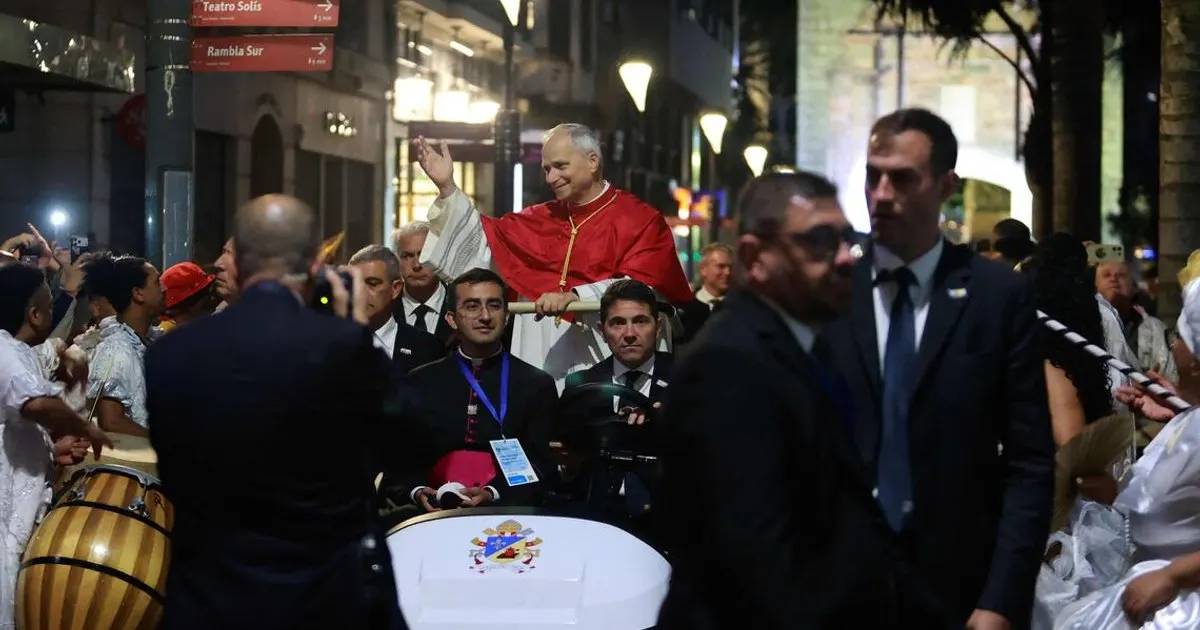
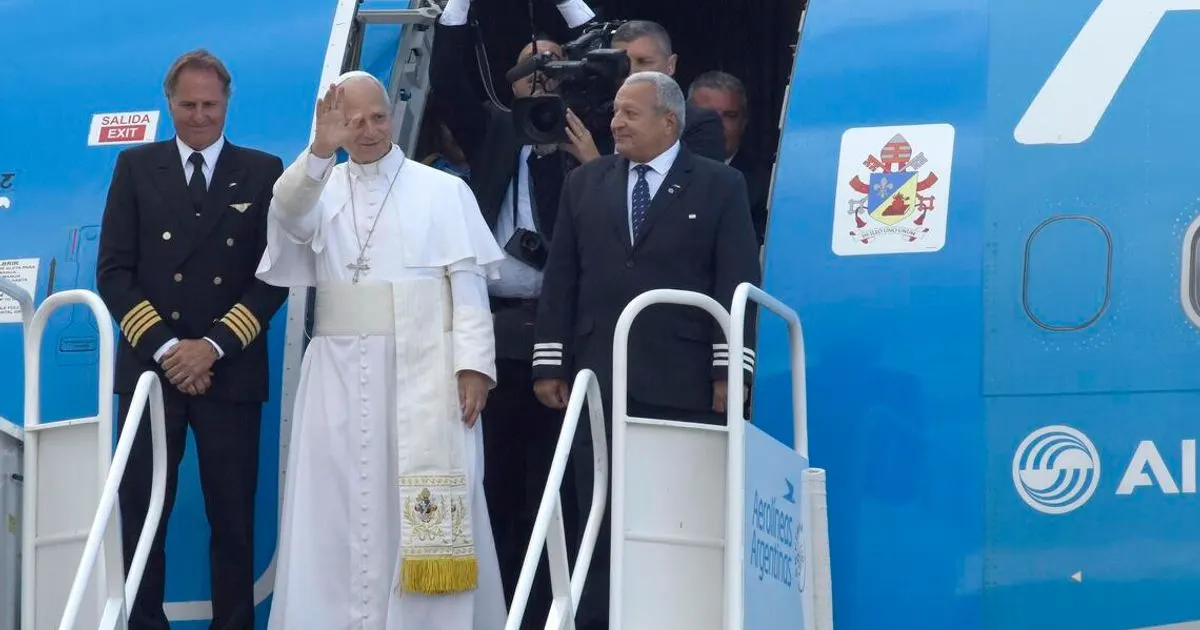
According to The Guardian, Leo reached Argentina after beginning his first Latin American journey as pope in Uruguay. In Buenos Aires, he laid a wreath at Plaza San Martin and visited the monument to Jose de San Martin. Planned engagements include visits to a prison and a home for disabled people, alongside three outdoor masses.1
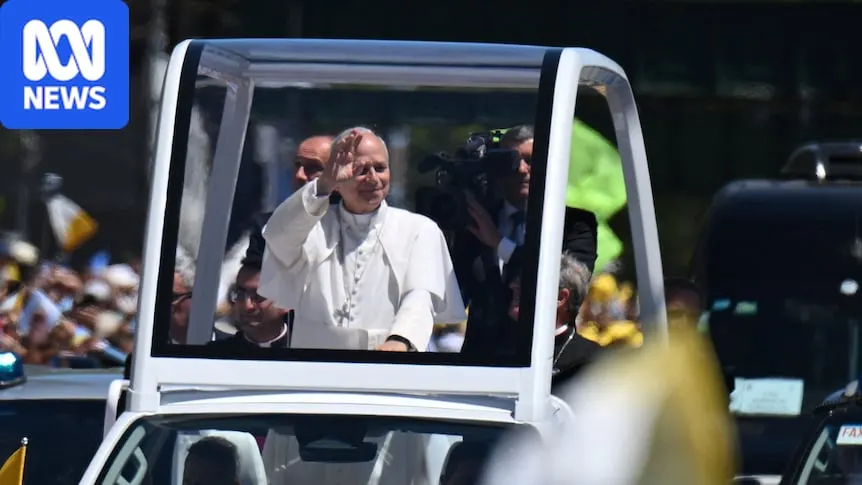
The BBC reported that the journey had been described as a tribute to Francis, the late Argentine pope. The Guardian said it was Argentina's first papal visit in almost four decades and reported a church estimate of seven million attendees across its events; those figures are not independently corroborated in the dossier.12
Why it matters
For European readers, the visit presents a debate about public-spending restraint, support for vulnerable people and obligations to future generations. Leo's appeal to protect democracy also extends the discussion beyond economic policy to the way political authority is exercised.12
Videos
Related stories
Version history
- version 1 ·