World · Ukraine, Russian Federation
Russia Says It Struck Kyiv Telecom Hubs and Cargo Ships
Moscow's Defence Ministry says its forces hit data centres, energy sites and vessels supplying Ukraine over a string of attacks from September 25 to 30, while Kyiv says the toll on civilian infrastructure continues to grow.
Russia's Defence Ministry claims strikes on Kyiv data centres, energy sites, Izmail port and multiple cargo vessels between September 25 and 30.
- Omega Telecom's main Kyiv hub reportedly destroyed by September 30
- Cosmonova data centre shut down; Datagroup stayed online via backups
- Russia says it hit energy facilities and port infrastructure at Izmail
- Multiple cargo vessels bound for Odesa and Chornomorsk reportedly struck
- Reuters could not independently verify Russia's claims

What's new
- Russia says it destroyed Omega Telecom's main technical hub in Kyiv
- Defence Ministry claims strikes on De Novo data centre, energy sites and Izmail port
- Foreign-flagged and cargo vessels reported hit in the Black Sea
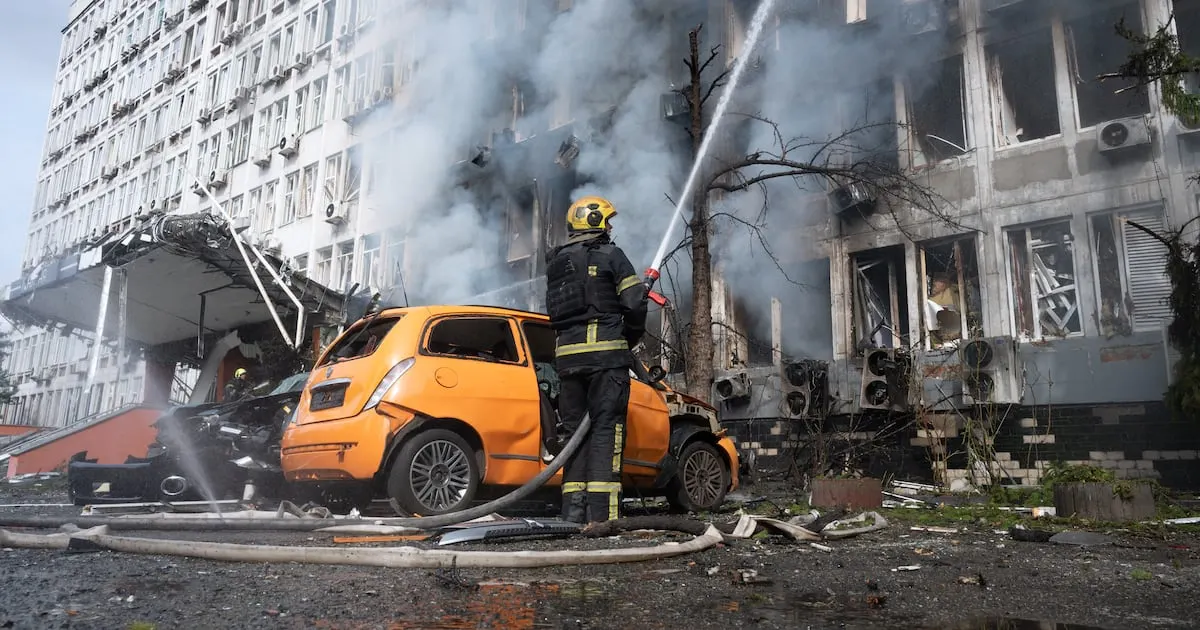
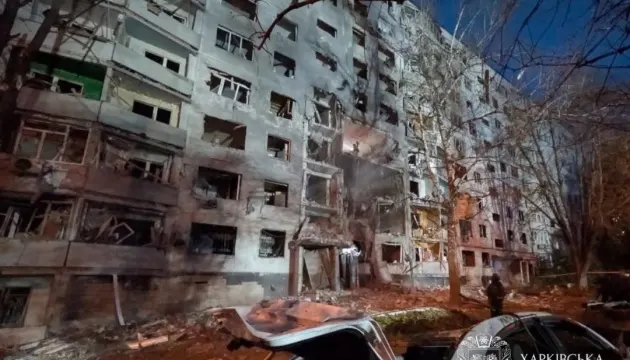
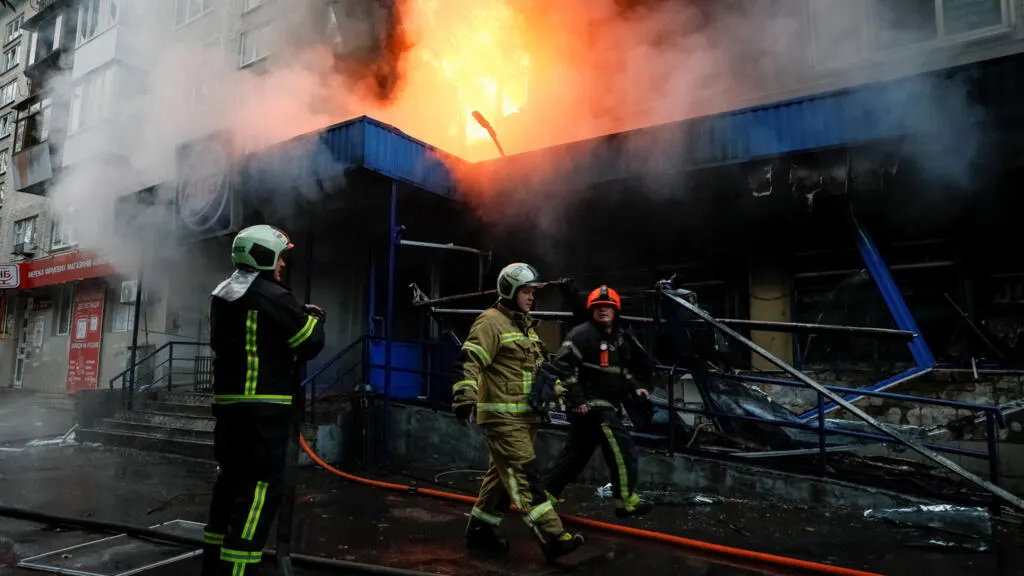
- Kyiv officials report fires, internet outages and a building set ablaze
Russia's Defence Ministry says its forces carried out a series of strikes between September 25 and 30 against telecommunications data centres in Kyiv, energy facilities in the Kyiv region, port infrastructure at Izmail, and multiple cargo vessels in the Black Sea, according to Russian and Western reporting.2345
A week of strikes on digital infrastructure
According to Meduza, Russian forces struck data centres in Kyiv on September 25, 26 and 28. The Datagroup data centre was damaged but kept services running from backup sites, while the Cosmonova data centre was hit and had to shut down entirely. Several television channels had their broadcasts interrupted and some Kyiv residents lost internet access, the outlet reported.1
TASS reported that Russian drone strikes hit the Omega Telecom data centre in Kiev on September 27, a strike the Russian Defence Ministry announced the same day. The ministry described Omega Telecom as "one of the largest providers of high-speed internet services to the Ukrainian armed forces" and said the company stores large volumes of military databases. According to dev.ua, by September 30 a second wave of strikes—described as a "double enemy strike"—had wrecked the equipment inside Omega Telecom's core technical facility, prompting engineers to reroute services through backup sites.46
Strikes on Kyiv buildings and casualties in Dnipro
Meduza reported that a Russian drone hit an office building in Dnipro on September 28, while a separate strike damaged an office building in Kyiv's Shevchenkivskyi district. A National Academy of Sciences of Ukraine building caught fire; the outlet pointed out that Ukrtelecom's office and the German Embassy sit close by. Kyiv Mayor Vitali Klitschko reported the strike on the Shevchenkivskyi district building.1
The Russian Defence Ministry posted an image of a drone captioned "Digital detox," alongside the statement: "The Armed Forces of the Russian Federation continue to carry out strikes on communications and logistics centers." In a follow-up post it added simply: "Mandatory!"14
Energy sites, ports and cargo vessels
According to The Straits Times, Russia's Defence Ministry claimed a large-scale nighttime bombardment struck a Kyiv communications hub, regional energy facilities the ministry says power Ukraine's defence industry, and port infrastructure in Izmail allegedly used to receive and move military cargo and fuel. The ministry additionally claimed it damaged a dry cargo ship in the northwestern part of the Black Sea.2
MarineLink, drawing on Reuters reporting, said Russia's Defence Ministry claimed to have hit three cargo ships headed for Odesa, a fourth vessel docked in Chornomorsk, a ship-repair yard in Izmail, and a number of Kyiv data centres. In a separate account, TASS said a cargo vessel transporting military hardware and dual-use materials toward Odessa's port—cargo the outlet linked to Ukraine's armed forces—was attacked while at sea. The Straits Times noted claims that a dry cargo ship was transporting military hardware and dual-use items toward Odesa's port, while Reuters cautioned it had not yet been able to confirm the reports on its own.245
France 24 said Russia carried out a barrage of nighttime attacks throughout Ukraine, damaging two foreign-flagged ships in the Black Sea in addition to sites in Kyiv. President Volodymyr Zelensky said: "Russia carried out a series of nighttime attacks throughout Ukraine, damaging two foreign-flagged ships in the Black Sea along with sites in Kyiv."3
Ukrainian response
Ukrainian Prime Minister Serhiy Koretskyi said, according to Meduza, that all infrastructure remains at risk. "All infrastructure is at risk. That was true before, it is true now, and it will remain true until the war ends," he said, adding: "we need to plan for the worst-case scenario and prepare accordingly." France 24 characterised the strikes as part of a Russian pressure campaign intended to make Ukraine buckle under continued bombardment.13
Why it matters
Strikes on data centres, ports and cargo shipping affect civilian communications and goods movement as well as military logistics. Repeated targeting of telecom infrastructure also raises questions about the resilience of Ukraine's civilian internet and broadcasting services as the war continues.23
Videos
Related stories

background
same actors
Version history
- version 1 ·