Taraba ties Slovak budget support to earlier transaction-tax repeal
The unaffiliated deputy’s demand puts pressure on a coalition holding 76 parliamentary votes. The draft delays repeal until 2028 while projecting a 4.94 per cent deficit in 2027.
Taraba is withholding support for Slovakia’s 2027 budget unless the transaction tax ends earlier. The demand creates a test for a coalition with 76 parliamentary votes.
- The draft ends the transaction tax only in 2028.
- Taraba may support the opposition’s earlier repeal proposal.
- The 2027 deficit is projected at 4.94 per cent of GDP.
- Social partners criticised the short time available for scrutiny.
What's new
- Taraba made budget support conditional on repealing the transaction tax earlier.
- He did not rule out supporting an opposition proposal for repeal.
- The government is expected to send the draft to parliament by October 15.
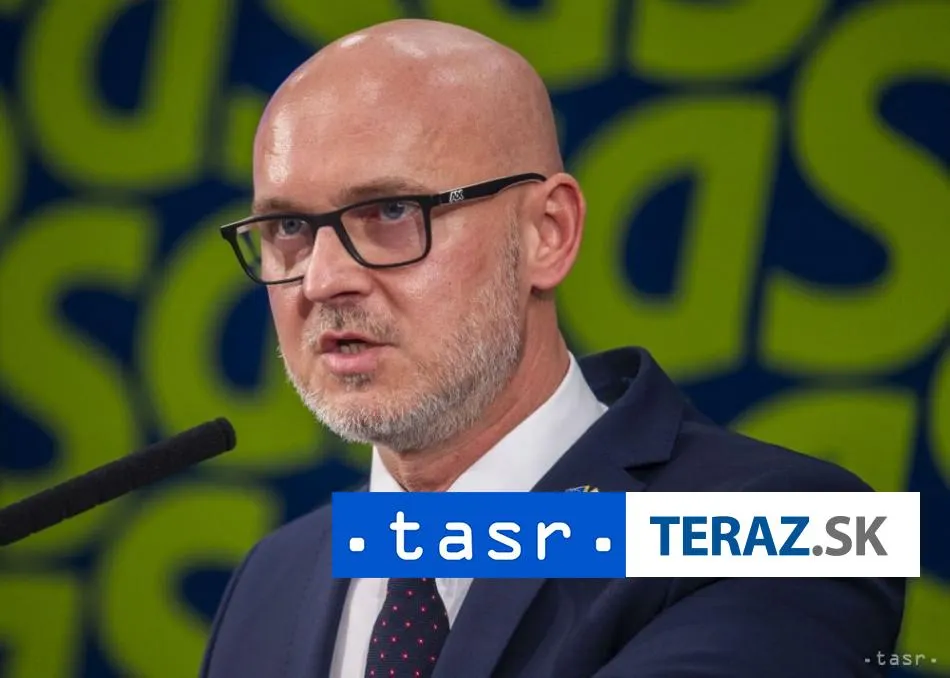
Slovak MP Tomáš Taraba said on October 4 that he would support the proposed 2027 state budget only if the transaction tax were abolished earlier than planned, raising the stakes for Prime Minister Robert Fico’s coalition as it prepares for a parliamentary vote in Slovakia. The draft provides for repeal only from 2028, while the coalition holds 76 votes in parliament.1
A narrow parliamentary test
Taraba, an unaffiliated member of the National Council who returned to parliament after being dismissed as environment minister, did not rule out voting with the opposition on the tax. SaS chairman Branislav Gröhling said his party would not negotiate with Taraba but would monitor how he votes, including on an opposition proposal to abolish the transaction tax from November 2026.12
The coalition’s room for manoeuvre has also narrowed after Peter Slyško left the Hlas-SD parliamentary group. Hlas-SD said it remained a stable and responsible coalition partner. Gröhling, by contrast, described the party as fractured and said deputies were leaving, a characterisation reported by STVR and rejected in substance by Hlas-SD’s statement.1
Progressive Slovakia chairman Michal Šimečka said the coming days would show whether Taraba had support from other deputies. His suggestion that the prime minister’s position could be threatened if Taraba commanded additional votes remains an opposition assessment rather than an established outcome.1
Tourism Minister Rudolf Huliak proposed a separate source of revenue, saying a 40 per cent tax on online gambling could add almost €400 million to the budget. Taraba maintained that funds were available to permit an earlier end to the transaction tax.1
Deficit targets and spending plans
Under the Finance Ministry’s proposal, the 2027 general-government shortfall would total €7.443 billion, representing 4.94 per cent of GDP. It forecasts public-administration revenue of €63.343 billion and expenditure of €70.786 billion, while the state-budget component lists €27.911 billion in revenue and €35.666 billion in spending.1
The proposal allocates €250 million in 2027 to continue assistance addressing high energy prices. According to STVR, the deficit is intended to decline to 4.5 per cent of GDP in 2028 and 4 per cent in 2029, but those reductions would require further consolidation measures.1
The Finance Ministry said consolidation equal to 0.8 per cent of GDP would be needed in 2028 and 1.4 per cent in 2029. STVR reported that, without additional measures, the deficits would instead reach 5.26 per cent and 5.41 per cent of GDP respectively. It also reported that gross debt would reach 69.6 per cent of GDP at the end of the budget horizon if the targets were met.1
Social partners object to limited scrutiny
Trade unions, employers and municipalities criticised the government for providing the draft shortly before the tripartite meeting. Monika Uhlerová, president of the Confederation of Trade Unions, said there was too little time for a thorough examination. Rastislav Machunka, president of an employers’ association, said the government’s procedure posed a problem for maintaining social peace.1
The Republican Union of Employers said it would not attend the Monday tripartite session. Its spokeswoman, Petra Podhorcová, said the organisation would not participate in social dialogue unless it took place in time and had substantive content. Jozef Božik, chairman of the association of Slovak towns and municipalities, said he expected the Economic and Social Council not to accept the proposal, although he cautioned against prejudging its decision.1
STVR reported that the government was expected to approve the proposal on October 5 after the tripartite meeting and submit it to parliament by October 15. Those steps would move the dispute over the transaction tax into a parliamentary process in which each coalition vote is important.1
Why it matters
The dispute will test whether Slovakia’s 76-vote coalition can secure approval for a 2027 fiscal plan while one unaffiliated deputy demands a significant tax-policy change. It also comes as opposition parties discuss measures they could implement if they later take power, linking the immediate budget vote with wider political coordination.12
Related stories
Version history
- version 1 ·