Taraba demands immediate transaction-tax repeal and deeper Slovak spending cuts
The former environment minister opposes the coalition’s plan to retain the bank-transfer tax until the end of 2027. Opposition leader Michal Šimečka separately warned that the eventual deficit could exceed the government’s projection.
Taraba wants Slovakia’s transaction tax abolished immediately and the state to cut its own costs. The coalition plans repeal only at the end of 2027 and proposes a 4.94%-of-GDP deficit.
- Coalition plans to end the transaction tax after 31 December 2027.
- Taraba proposes immediate repeal and lower state expenditure.
- The draft budget deficit is 4.94% of GDP.
- Šimečka warns the eventual deficit could be higher.
- Kamenický says the plan meets European Commission fiscal rules.
What's new
- The coalition agreed a budget deficit of 4.94% of GDP.
- The transaction tax is scheduled to end on 31 December 2027.
- Taraba is pressing for immediate repeal and reductions in state expenditure.
- Šimečka warned that the actual deficit could exceed the draft figure.
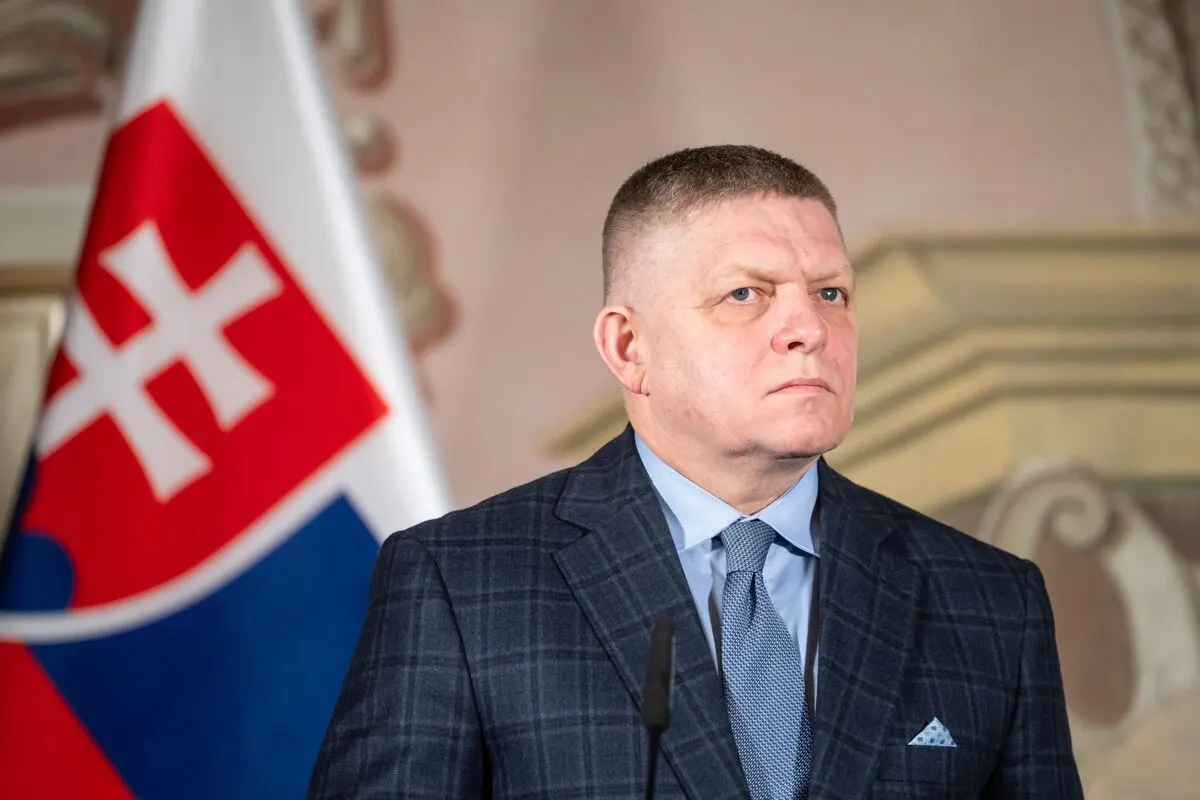
On 4 October, Slovak MP and former environment minister Tomáš Taraba called for the immediate abolition of Slovakia’s transaction tax and cuts to state expenditure during a televised discussion on TA3. His intervention followed the coalition council’s 2 October agreement on next year’s budget and its decision to retain the tax until 31 December 2027.1234
Coalition budget compromise
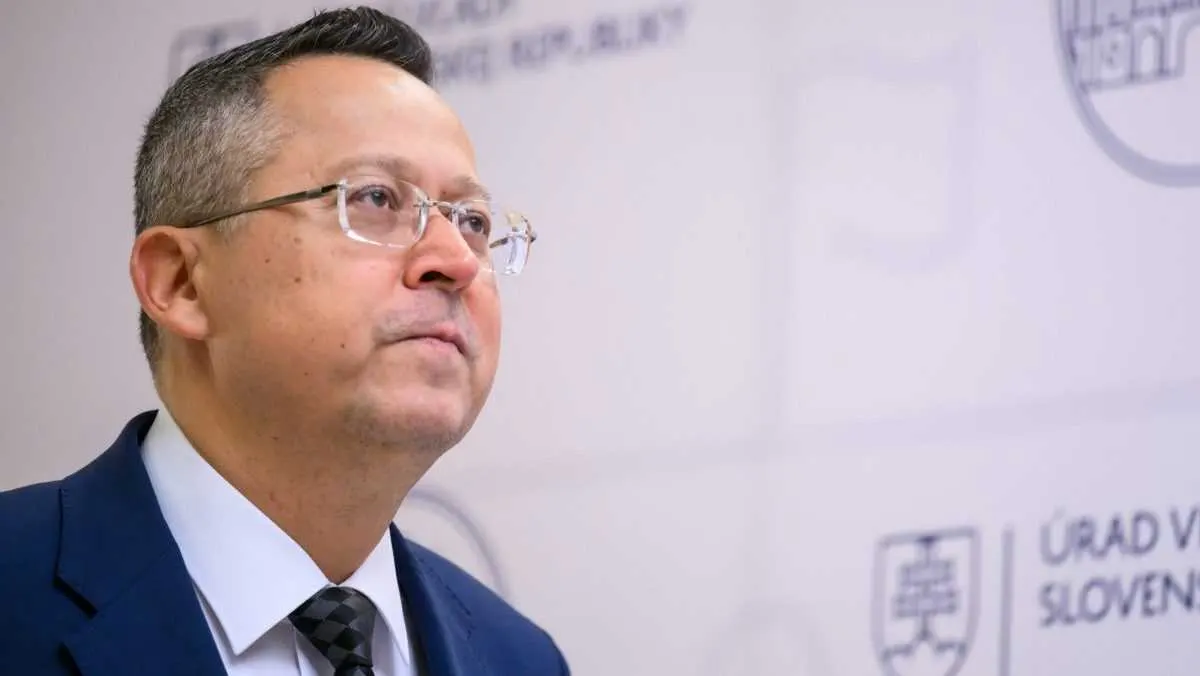
The coalition council agreed on a draft budget with a deficit equal to 4.94% of gross domestic product. Finance Minister Ladislav Kamenický said the plan would not increase taxes or social contributions and would avoid uniform cuts across ministries. He described the package as a compromise between available public funds and the priorities of the governing parties.2
Kamenický said the government was complying with the European Commission’s fiscal rules and argued that the budget’s parameters must also remain acceptable to financial markets. According to him, the current government would leave the public finances in better condition than it found them, with the deficit about 1.5 percentage points of GDP lower than at the start.2
The coalition also agreed to abolish the transaction tax on 31 December 2027, meaning it would no longer apply from January 2028. The Slovak National Party said it had secured that commitment. It also claimed credit for restoring €5 million from cultural-event ticket sales to the Culture Ministry’s budget and said every pensioner older than 85 would receive at least €700.12
Taraba seeks earlier repeal
Taraba rejected the timetable for ending the levy, which was introduced to charge bank transfers. He said it had originally been adopted as a temporary measure to strengthen the public finances and argued that the coalition could have avoided it. He also linked the decision about its repeal to the pursuit of individual parties’ priorities.134
Taraba said the state should reduce its own costs instead of imposing further burdens on citizens. Aktuality.sk reported that his proposals included halving MPs’ salaries, closing offices he considers unnecessary and abolishing the transaction tax immediately. According to the outlet, he said he was prepared to vote with any parliamentary group that supported those measures.3
Among the potential savings identified by Taraba were reductions in the number of parliamentary deputy speakers and state secretaries. He also questioned the continued justification for the investment ministry and the tourism and sport ministry. Taraba said government expenditure should not rise faster than revenue and that the next budget should not be shaped by the election year.14
Deficit and constitutional concerns
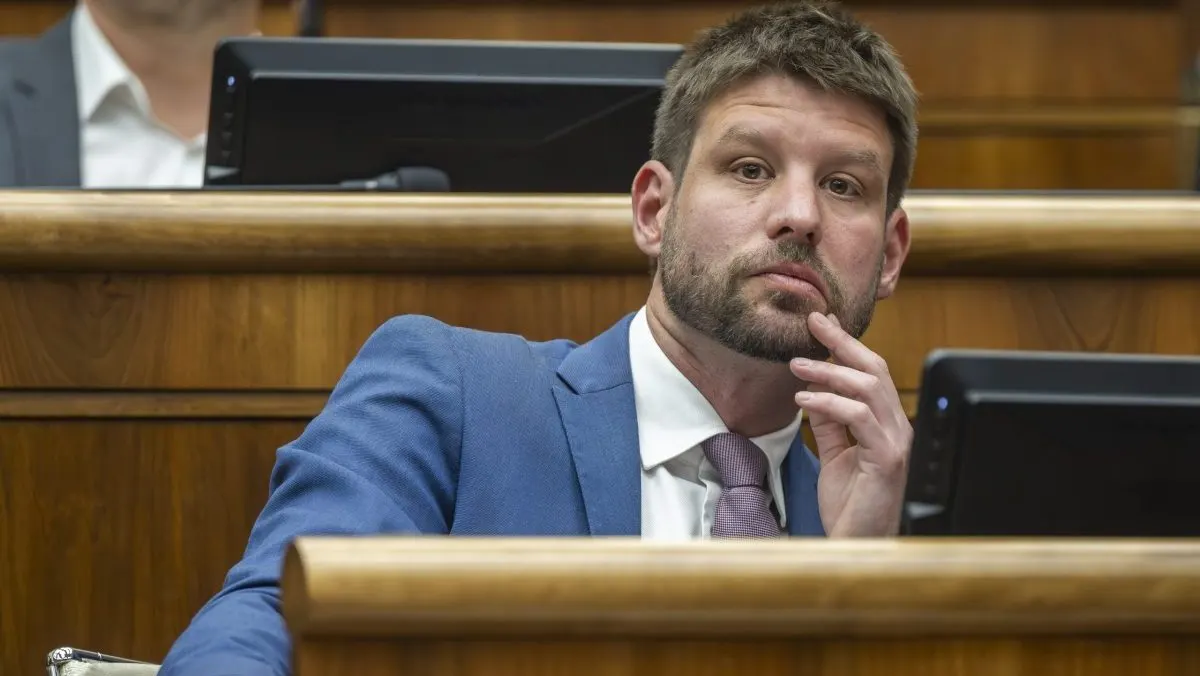
Michal Šimečka, leader of the opposition Progressive Slovakia party, said the eventual public-finance deficit could be higher than the figure in the draft budget. He warned that Slovakia could face bankruptcy and that the next government might inherit a crisis. These were Šimečka’s assessments rather than outcomes established by the budget agreement.14
Šimečka also said the constitutional law required the government to submit a balanced budget. In his view, presenting a deficit budget would breach that law and could lead the Constitutional Court to find it unconstitutional. Progressive Slovakia MPs plan to seek changes in parliament intended to protect local governments from sanctions associated with the debt brake.14
Taraba responded that the debt brake did not operate effectively in practice and was circumvented in different ways. He nevertheless said the growth of debt had to be acknowledged and maintained that public spending should not increase more quickly than state revenue.14
Why it matters
The dispute concerns how Slovakia will reduce its deficit while deciding when to remove a tax on bank transfers. The government says its budget compromise meets European Commission fiscal rules and must retain the confidence of financial markets, while its critics question both the deficit forecast and the pace of spending restraint.124
Related stories
same place
Version history
- version 1 ·