Culture · India
Sonia Gandhi memoir recounts family assassinations and her path into Indian politics
In Belonging, Gandhi revisits bereavement, her leadership of Congress and her decision not to become prime minister, according to the BBC.
Sonia Gandhi’s Belonging recounts family loss and political leadership, according to the BBC and New York Times. The BBC details her explanation for entering politics and declining the premiership.
- The BBC describes Belonging as a 502-page memoir.
- Gandhi recalls two family assassinations, the New York Times reports.
- She declined the premiership in 2004, according to the BBC.
- Gandhi criticises Hindu nationalism in the BBC’s account.
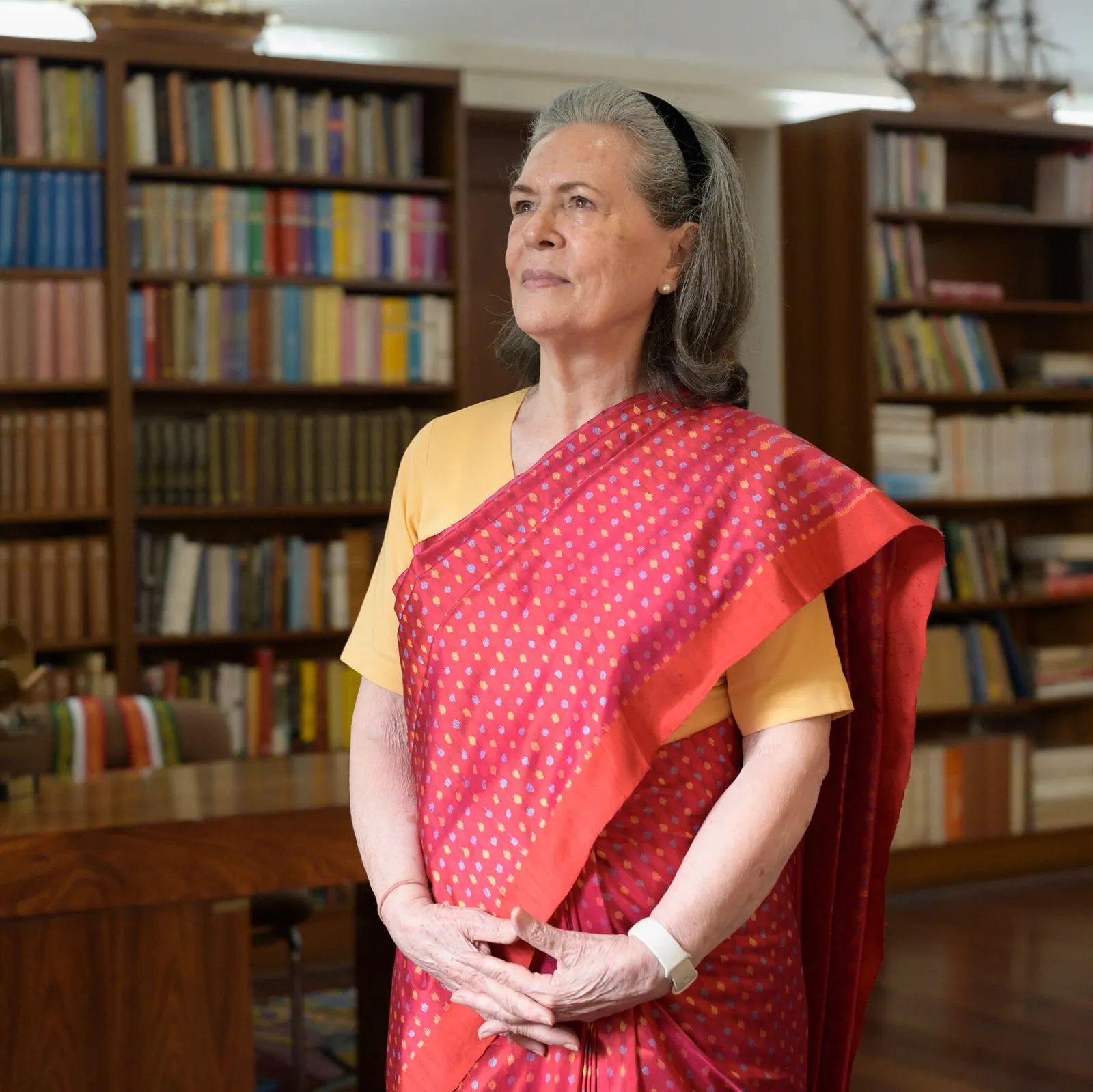
What's new
- The New York Times reported on November 10 that Gandhi revisits political battles and family losses in a memoir and interview.
- The BBC’s November 11 account details her explanation for entering politics and declining the premiership.
- Gandhi also offers her assessment of Hindu nationalism and Narendra Modi, according to the BBC.
In a memoir and interview, Sonia Gandhi reflects on her political life in India and the killings of Rajiv Gandhi and Indira Gandhi, the New York Times reported on November 10, 2026. Her account of India’s political life includes the killing of Indira Gandhi while Sonia was living at the prime minister’s residence in Delhi, according to the BBC.12
Family loss and political office
The New York Times describes Gandhi as Italian-born and as having married into the Nehru-Gandhi family. Her 502-page memoir, Belonging, recalls the deaths of two members of that family who served as India’s prime minister: her mother-in-law, Indira, and her husband, Rajiv, according to the Times and BBC accounts.12
According to the BBC, Indira Gandhi was shot by two Sikh bodyguards in the residence’s garden in October 1984 and died in hospital. According to the broadcaster, the killing was revenge for an Indian military assault on the Golden Temple. Rajiv became prime minister on the day his mother died, after party leaders asked him to take office.1
Rajiv Gandhi was assassinated in 1991, the BBC reports. Sonia’s own account describes a reluctance to participate in politics. “I'd always disliked politics,” she writes, according to the broadcaster. She eventually became Congress leader and led the party through two general election victories.1
Duty and the decision not to govern
The BBC dates a turning point in her thinking to January 1997, when she arranged private lessons on the Bhagavad Gita. Gandhi says its teaching about carrying out one’s duty without attachment settled her doubts about political involvement. She writes that she needed to move forward and follow the course demanded by her duty. And I did,” she writes.1
After leading Congress’s successful 2004 election campaign, Gandhi declined the prime minister’s post and chose Manmohan Singh instead, according to the BBC. She says she believed the Bharatiya Janata Party would use her foreign birth against her if she accepted the office.1
Her assessment of India
Gandhi argues that growing Hindu nationalism endangered the secular, pluralistic India she associates with Indira and Rajiv, the BBC reports. She also characterises Narendra Modi’s conception of India as shaped by the RSS and supportive of religious fundamentalism. These are her assessments; she says her contact with Modi has largely been limited to greetings and occasional exchanges.1
The BBC reports that Gandhi now sits in the Rajya Sabha. Her son Rahul is a four-term MP and opposition leader, while her daughter Priyanka is also a member of parliament.1
Why it matters
For European readers, the account follows a woman described by the New York Times as Italian-born into India’s political leadership. Her explanation for declining the premiership also shows how she understood the political significance of her foreign birth, according to the BBC.12
Videos
Version history
- version 1 ·