World · South Korea
South Korean education minister resigns after AI cheating fears disrupt exam preparations
Choi Kyo-jin has stepped down after last-minute measures against AI-assisted cheating drew criticism. President Lee Jae Myung accepted his resignation.
Listen to the story
Short version
South Korea’s education minister resigned after criticism of preparations against AI-assisted exam cheating. President Lee Jae Myung accepted his resignation.
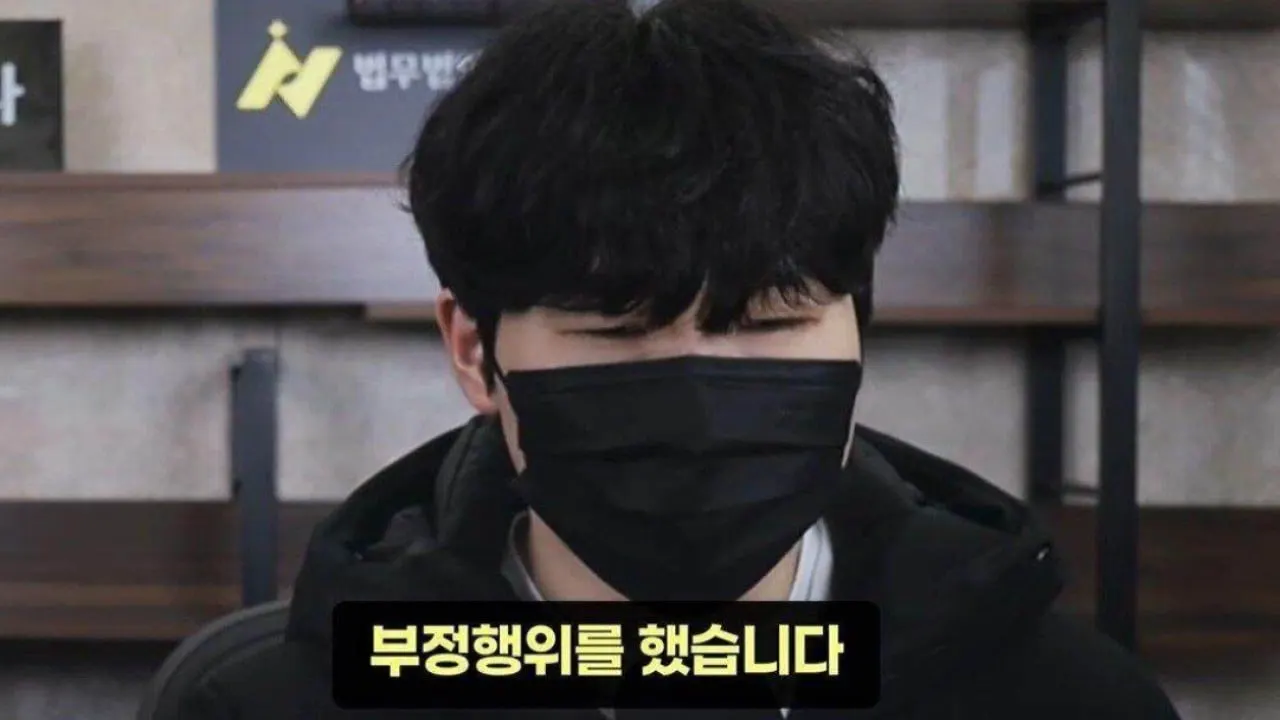
- A tax accountant exam candidate admitted cheating with electronic devices.
- Officials introduced Wi-Fi restrictions and stickers covering clothing buttons.
- Authorities identified 111 electronic-device misconduct cases during the Suneung.
- Three emergency alerts helped detect nearly half the cases.
What's new
- Choi Kyo-jin offered his resignation after the Suneung ended.
- President Lee Jae Myung accepted the resignation.
- Officials reported 111 electronic-device misconduct cases during the exam.
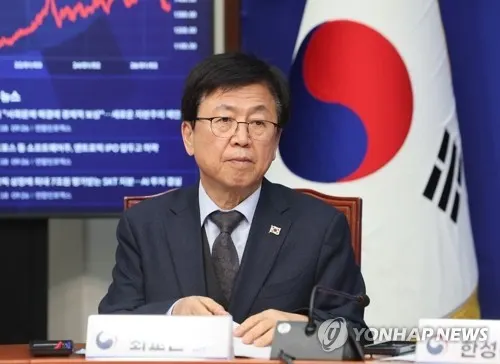
South Korea’s education minister, Choi Kyo-jin, has resigned following an AI-assisted cheating scandal and changes to security rules surrounding the country’s university entrance exam, according to reports on November 22. President Lee Jae Myung accepted his resignation after Thursday’s Suneung.123
Responsibility for exam preparations
Choi acknowledged criticism of the preparations and said he accepted responsibility once the exam was over. Yonhap reported that he apologised for inconvenience caused to the public, including candidates, by changes introduced shortly before the test. The president accepted his offer about an hour after he announced it, the agency said.23
“As the minister in charge, I believe I cannot escape criticism that we failed to prepare in advance,” Choi said, according to Yonhap. The agency reported that the ministry continued announcing anti-AI-cheating rules until the eve of the exam, creating confusion over arrangements for candidates.2
Devices and emergency alerts
The scandal involved the highest-scoring candidate in a national tax accountant examination, who admitted using a miniature camera and smartphone to obtain a near-perfect result. Yonhap reported that the candidate had also used generative AI. The admission preceded the security measures surrounding the university entrance examination.123
As part of the security measures, officials disabled access to public Wi-Fi at exam sites and placed stickers over candidates’ clothing buttons. The Guardian reported that candidates were required to switch off smart devices and surrender them, and that the government announced checks for electronic equipment and concealed cameras.13
During the exam, authorities sent three emergency alerts. Yonhap said these were disaster alerts delivered to mobile phones nationwide. Officials identified 111 cases involving electronic devices; nearly half were detected through the alerts. Yonhap described the total as suspected cheating cases, rather than established instances of AI-assisted cheating.123
Criticism of the response
Test takers and teachers criticised the precautions for increasing anxiety around the examination, according to Yonhap. The Guardian separately reported that teachers’ unions considered the government’s response late. Choi said the exam had finished without major incidents, while acknowledging criticism that preparations had been inadequate.123
Yonhap described the Suneung as a major event in South Korean life and reported that university admission can substantially affect career prospects. The agency said the process of nominating Choi’s replacement would follow the required procedures.2
Why it matters
For European readers, the case illustrates the examination-security questions raised by a reported admission of cheating with generative AI. In South Korea, the response also prompted complaints from candidates and teachers that new safeguards increased exam anxiety, according to Yonhap.2
Videos
Related stories
Version history
- version 1 ·