World · United States of America
Texas execution draws witness criticism after vein difficulties and cries of pain
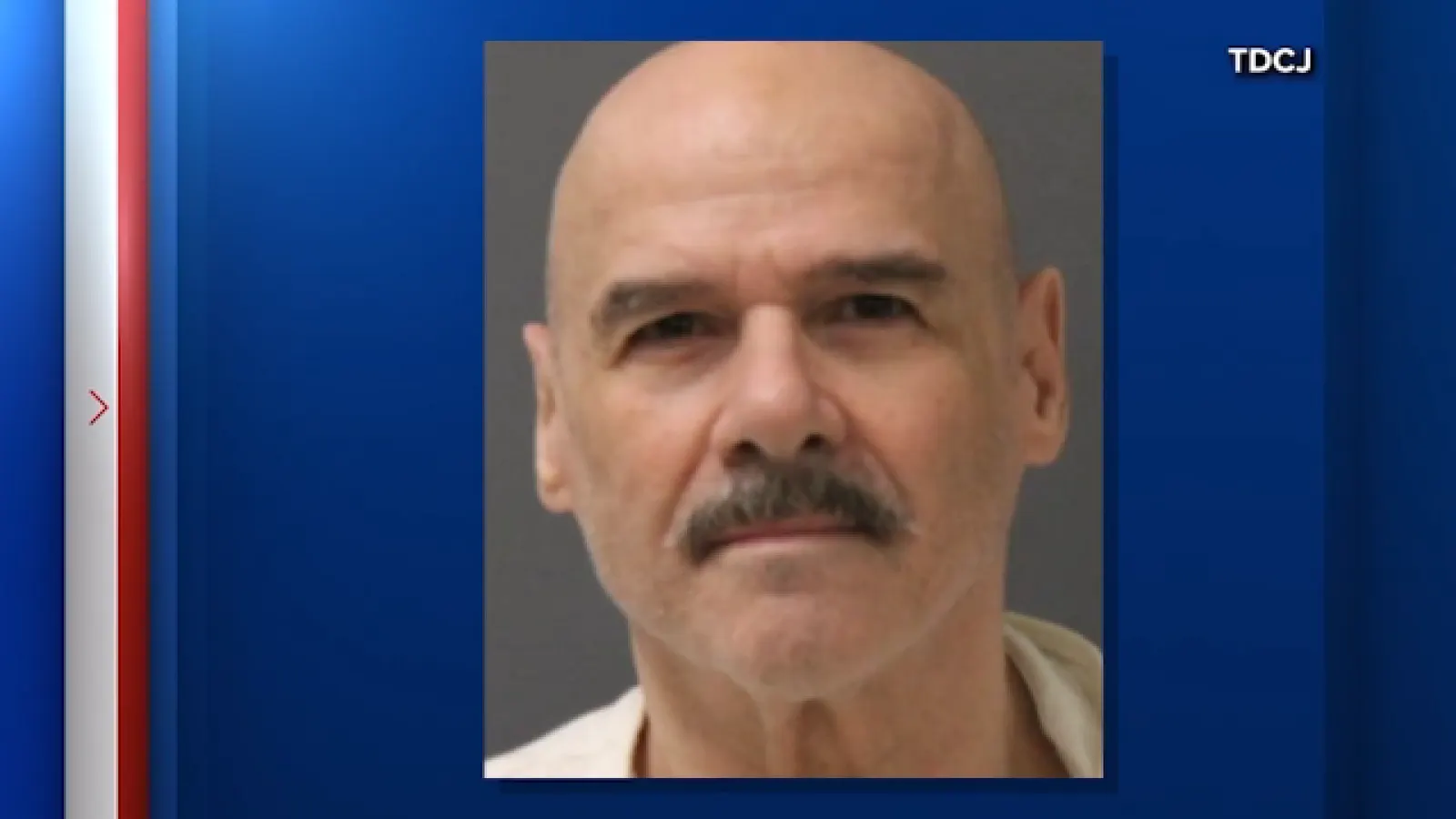
Reports describe a prolonged execution procedure for Reinaldo Dennes, with witnesses recounting cries of pain. Texas prison officials say staff followed the required procedures.
Reports describe a prolonged Texas execution involving vein-access difficulties and cries of pain. Prison officials say the procedure was conducted properly.
- Dennes was sentenced to death for the 1996 murder of Janos Szucs.
- Officials acknowledged repeated difficulty finding suitable veins.
- Witness accounts described pain during the procedure.
- The prison agency rejected claims that the execution was botched.
What's new
- Witnesses described Dennes crying out during his execution, according to the BBC and Guardian.
- Texas officials acknowledged repeated unsuccessful attempts to establish intravenous access.
- The prison agency rejected claims that the execution was botched.
Reinaldo Dennes was executed by lethal injection at Huntsville penitentiary in Texas in a procedure that lasted more than an hour and included cries of pain, according to reports published on November 20, 2026. Texas prison officials acknowledged difficulty finding veins but said the execution complied with their procedures.123
Differing accounts of the duration
The Guardian reported that Dennes, 70, was on the gurney for 63 minutes before the procedure ended at 7.07pm. It said a physician pronounced him dead at 7.08pm. The BBC also described an execution lasting more than an hour.12
ABC13's Associated Press report gave a different account of the preparation period, saying staff spent more than an hour seeking veins for two intravenous needles. It reported that pentobarbital began flowing at 6.52pm and that Dennes was pronounced dead at 7.08pm. Those timings distinguish the administration of the drug from the broader execution procedure.3
Texas Department of Criminal Justice representative Amanda Hernandez said that, after technicians failed several times to gain intravenous access, they placed lines in Dennes's left foot and on the left side of his neck. She said those locations were permitted under prison procedures and that alternative injection sites had been used before, although infrequently.13
Witness accounts and the official response
Journalists and other observers waited more than 30 minutes before entering the chamber, according to the Guardian. The BBC quoted Associated Press journalist Michael Graczyk describing the wait as unusually long. The Guardian reported that Dennes appeared calm, with his eyes shut and his head directed towards the ceiling, when witnesses arrived.12
Witness accounts described a change after the injection began. The Guardian reported that Dennes cried out, moaned and described pain and burning. The BBC said he complained of a cramp in his right leg. Jeff Hood, his spiritual adviser and an execution witness, said the procedure was the worst he had witnessed, according to the BBC.12
Hernandez disputed the suggestion that the execution had gone wrong. She said Dennes had complained of pain before the lethal drug began flowing and had identified areas where no injections had been attempted. ABC13 reported that she acknowledged allegations that he was feigning pain; that account did not establish that the complaints were fabricated.13
The agency maintained that the execution was properly conducted. “This was a successful execution, and we did follow all of the proper protocols to do it correctly,” Hernandez said.1
Conviction and calls for scrutiny
Dennes was condemned to death for killing Janos Szucs, a Houston diamond merchant who was shot several times in 1996. According to ABC13's AP report, Dennes was also convicted over the shooting of security guard David Copeland and spent 29 years on death row.123
The execution prompted criticism from death-penalty organisations. Robin Maher, executive director of the Death Penalty Information Center, called for scrutiny of such procedures, while Reprieve chief executive Maya Foa urged a moratorium on lethal injections, according to the Guardian. Their criticism contrasted with the prison agency's insistence that its protocols had been followed.1
Why it matters
For European readers, the case has an international connection through execution-drug procurement: the Guardian reports that Texas turned to compounding pharmacies after an international boycott. The dispute also concerns whether compliance with execution protocols answers witnesses' concerns about pain.13
Related stories
Version history
- version 1 ·