Technology · United States of America
TikTok to Pay Alabama $100 Million in Teen Safety Settlement
TikTok and parent company ByteDance have agreed to pay the state of Alabama at least $100 million and adopt new safety measures for teenage users, avoiding a trial over claims the platform misled parents about child protection tools.
TikTok and its parent company ByteDance have agreed to pay the US state of Alabama at least $100 million and introduce new safety measures for teenage users, settling a lawsuit days before a scheduled trial. Steve Marshall, Alabama's attorney general, praised the outcome as a great day for parents, noting that it hands them genuine authority over both the content their kids encounter and how long they use the app. That figure could grow to $300 million if 40 other states reach similar settlements.
The case, filed in 2025, had alleged TikTok misrepresented safety tools meant to protect children. The settlement follows a wider pattern of legal pressure on social media companies, including a large payout by Meta to US states and courtroom losses for Meta and YouTube over child safety claims. More than a dozen states still have pending suits against TikTok.
TikTok has agreed to give Alabama at least $100 million and introduce new teen safety features, resolving the case ahead of trial.
- TikTok to pay Alabama $100m, possibly up to $300m
- Deal avoided a scheduled trial over child safety claims
- New measures: time limits, night restrictions, parental controls
- Alabama calls it a first-in-the-nation state settlement
- More states still suing TikTok and other platforms
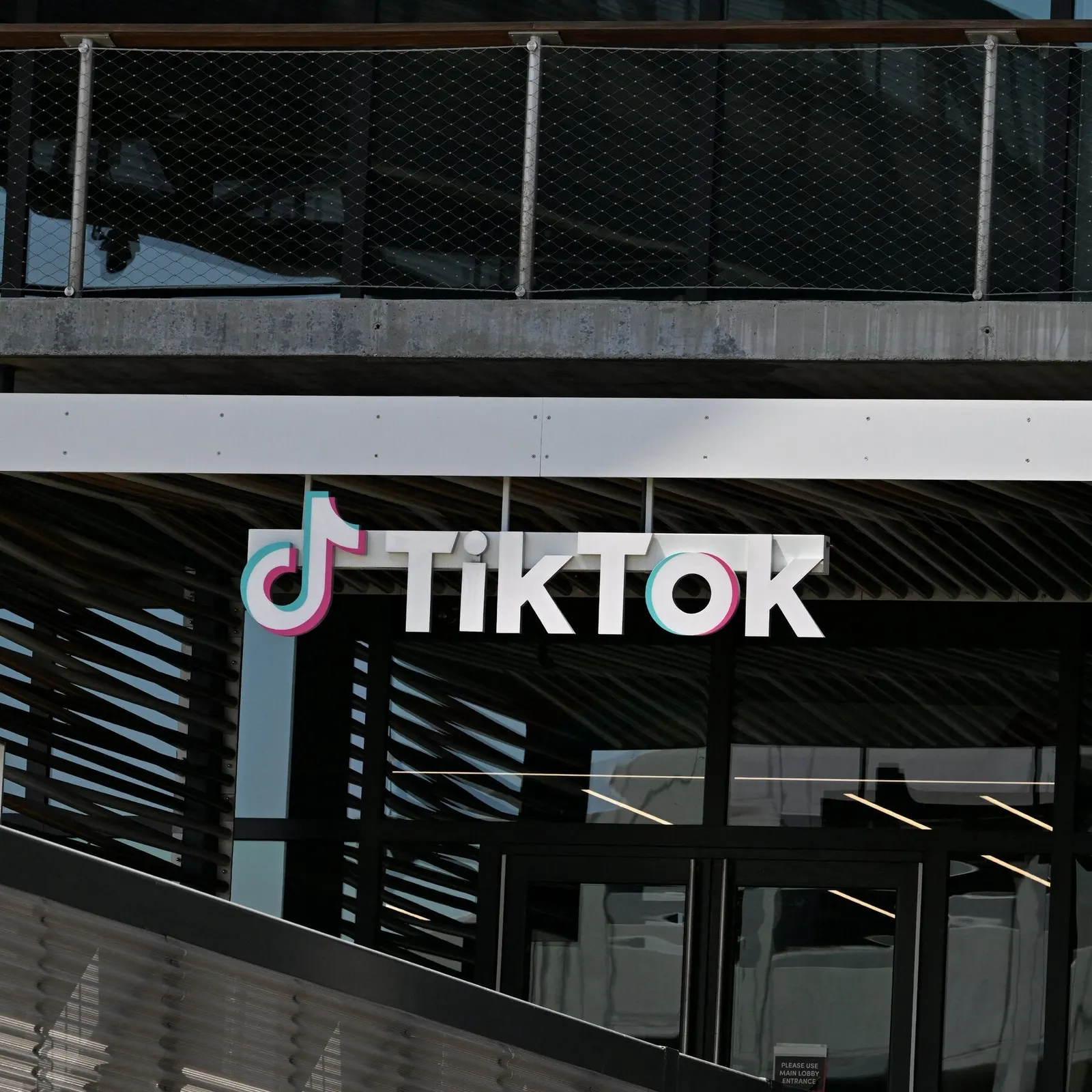
What's new
- TikTok agrees to pay Alabama at least $100m, avoiding a scheduled trial
- Payout could rise to $300m if 40 other states sign similar deals
- New teen safety measures include time limits, night-time restrictions and parental controls
- Alabama says this is the first time a state has reached such a settlement
TikTok has agreed to pay the US state of Alabama at least $100 million and introduce new safety restrictions for teenage users, settling a lawsuit days before a trial was due to begin, Alabama's attorney general said on 26 September.12
Avoiding trial
According to the Guardian, Alabama had been due to go to trial over allegations that TikTok gave parents false assurances about tools designed to protect children from harmful content. Alabama first filed suit against TikTok and ByteDance in April 2025, arguing the app was designed to hook young users "just like a sophisticated gambling machine." Its case was subsequently narrowed to allegations under the state's Deceptive Trade Practices Act, centring on whether TikTok overstated how effective its Restricted Mode and Kids Mode features actually were.1
According to the Guardian and Deutsche Welle, the suit further claimed TikTok wrongly asserted that it restricts young users' exposure to sexual and violent material, and that it gave users inaccurate information about the Chinese government's access to American users' data. TikTok had countered that Section 230 protects online platforms from being held responsible for content posted by their users.12
New safety measures
Under the settlement, TikTok agreed to enact a two-hour daily time limit for teenage accounts, restrict child access overnight, and pause use after fifteen minutes, according to Deutsche Welle. The Guardian reported that the deal mirrors safety provisions Meta adopted, including restricted access from midnight to 6am and suspended notifications during school hours.21
The Guardian reported that the agreement further calls for tighter age-verification checks, a prohibition on beauty filters for teen accounts, and the option of a feed that isn't personalised. A conditional provision would expand the overnight shutdown to 10pm–7am if other platforms also commit to similar restrictions. Per Deutsche Welle, TikTok also committed to letting parents oversee both the content their children view and the amount of time they spend on the app.12
Wider litigation landscape
The Guardian characterised Alabama's lawsuit as one more entry in a growing string of legal actions against social media firms nationwide. Deutsche Welle reported that upwards of a dozen states, among them California and New York, currently have unresolved cases against TikTok, while 27 states plus Washington DC have filed comparable suits. TikTok has a track record of resolving lawsuits shortly before they reached court, among them one filed in Los Angeles and another by a school district in Kentucky.12
The Guardian reported that Meta struck an $18 billion settlement in August over claims from US states that it built Instagram and Facebook to be addictive to children, though Deutsche Welle cited a figure of $17 billion covering 47 states and territories. Meta has additionally lost cases in court: a New Mexico jury in March required the company to pay $375 million for deceiving the public about child safety on its platforms, and separately a Los Angeles jury deemed both Meta and Google's YouTube negligent, granting $6 million to a 20-year-old woman who said the platforms left her addicted to social media in her youth.1
TechCrunch reported that, in a separate matter, TikTok agreed in August to pay the US Department of Justice $400 million to resolve claims it broke laws protecting children's privacy.3
Reactions
Alabama Attorney General Steve Marshall, who sued TikTok last year, called the settlement "a great day for Alabama parents." He said parents "can rest easier knowing real protections are in place to shield their children from the dangers of social media addiction," and that TikTok had agreed "to give parents real control over what their kids see and how much time they spend on the app."12
A TikTok spokesperson said the company's "priority has always been fostering a safe and positive space where people can be creative, discover what they love, and connect with their community," adding that the settlement "builds on our commitment and core objective to continually enhance our robust safety tools to protect teens."1
Why it matters
The settlement adds to a growing pattern of US states extracting financial payouts and platform changes from social media companies over child safety, a trend that has also produced multibillion-dollar agreements involving Meta. For European readers, the case illustrates how legal pressure in one jurisdiction can shape features such as time limits and parental controls that platforms may extend more broadly.21
How the story unfolded
The story's events over time. Click a person, place or related story.
What we know
- TikTok agreed to pay Alabama $100 million and adopt new teen safety measures
- If additional states enter into similar deals, the total sum owed could grow to $300 million
- Alabama called it a first-in-the-nation settlement
- TikTok has settled other cases that were headed for trial
What we don't know yet
- Whether the trial was set to begin specifically on a Monday
- Whether the settlement was explicitly modelled on Meta's agreement with US states
- The exact scope of the midnight-to-6am restriction as applied across all teen accounts
Timeline
- April 2025Alabama filed suit against TikTok and ByteDance, claiming the app was built to be addictive for young users.1
- MarchA New Mexico jury ordered Meta to pay $375 million after finding it misled the public about child safety on its platforms.1
- AugustMeta agreed to pay $18 billion (per s1) or $17 billion (per s2) to settle a similar lawsuit brought by US states.12
- AugustTikTok agreed to pay the US Department of Justice $400 million to resolve claims it had breached children's privacy protections.3
- Sep 26TikTok agreed to pay Alabama at least $100 million and adopt safety restrictions for teenage users, avoiding trial.13
- Sep 26A jury in Los Angeles determined that Meta and Google's YouTube had acted negligently, ordering them to pay $6 million to a 20-year-old woman.1
- Sep 26Steve Marshall hailed the settlement as "a great day for Alabama parents."12
Quotes
first-in-the-nation settlement
a great day for Alabama parents
Tonight, they can rest easier knowing real protections are in place to shield their children from the dangers of social media addiction.
TikTok’s priority has always been fostering a safe and positive space where people can be creative, discover what they love, and connect with their community
Version history
- version 1 · 27 September at 03:49