World · United States of America, Russian Federation
Trump Backs Easing Russia Sanctions for Prisoner Releases
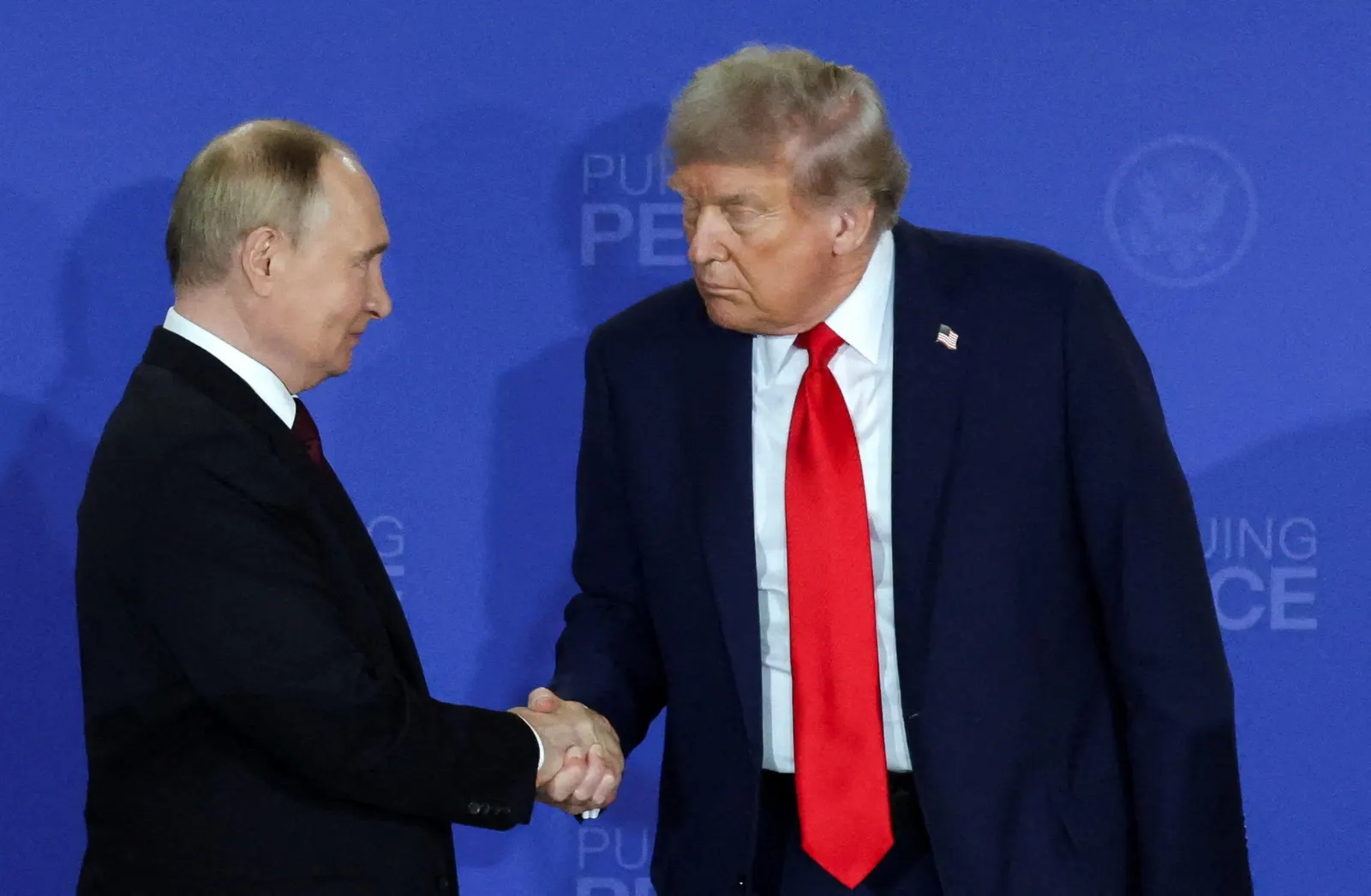
The Atlantic reported that President Trump has approved a plan proposed by envoy John Coale to relax sanctions on Russia in return for the release of political prisoners, without requiring an end to the war in Ukraine.
Trump has approved a plan to ease Russia sanctions in exchange for political prisoner releases, separate from ending the Ukraine war.
- Envoy John Coale proposed trading sanctions relief for prisoner releases
- Coale previously freed about 500 prisoners in Belarus this way
- Coale nominated as special envoy for hostage affairs
- Zelensky vows to try to block sanctions relief before war ends
- Plan could open deals on Russian oil, gas, rare earths
What's new
- Trump approved a Coale-devised plan tying sanctions relief to prisoner releases, The Atlantic reported
- The White House nominated Coale as special presidential envoy for hostage affairs
- The approach mirrors one used in Belarus, where about 500 prisoners were freed for eased sanctions
- Zelensky said at the UN General Assembly he would try to block any sanctions relief before the war ends
According to a report from The Atlantic that multiple outlets referenced on September 29, US President Donald Trump has endorsed a proposal that would trade relief from Russia sanctions for freeing political prisoners, even if the Ukraine conflict has not yet concluded.257
The proposal
According to The Atlantic, the plan was put forward by John Coale, Trump's envoy for Belarus affairs, several months before it became public, and Trump has since signed on to it. As the magazine described it, Moscow would free political prisoners in return for the US loosening its economic restrictions on Russia.31
Coale is reported to have tested the same approach in Belarus, where roughly 500 political prisoners, including American citizens, were released after the United States eased sanctions and opened talks on purchasing Belarusian potash. The White House has now nominated Coale for special presidential envoy for hostage affairs, a position that requires Senate confirmation, and he plans to coordinate his efforts with fellow envoy Steve Witkoff.236
Coale has said the strategy is meant to build momentum toward a broader settlement. "Economic ties usually result in normality," he said, adding elsewhere that "the more engagement, the more compromises – whether economic ones, concerning prisoners, or any others – this step by step leads, we hope, to peace."24
Opposition and risks
The plan is expected to face resistance from Ukraine, European governments and some of Trump's own allies in Congress, according to The Atlantic. Ukrainian President Volodymyr Zelensky said at the UN General Assembly that he would try to prevent sanctions relief before the war ends, telling reporters, "he would try his best to block any attempt to lift sanctions on Russia before the war ends, but it's difficult."714
Critics cited by The Atlantic warned that tying prisoner releases to sanctions relief could remove Western leverage and encourage further detentions. Belarusian opposition figure Svetlana Tikhanovskaya said, "They can always arrest more people, while the West loses its leverage over these regimes by lifting sanctions and making deals." The same report noted the approach would let Putin display goodwill without halting strikes on Ukraine, and that lists of Russian political prisoners, including journalists convicted for opposing the war, have already been compiled by Coale and former Novaya Gazeta editor Dmitry Muratov.2
The White House framed the effort as part of a broader push for peace. A White House official said, "The president and his team remain committed to continuing to play a constructive role in ending the war between Russia and Ukraine, and he remains optimistic that we'll ultimately get a peace deal done."6
Economic and diplomatic stakes
Backers of the proposal contend, per The Atlantic and TASS, that it could open the door to major business agreements covering Russian petroleum, diesel fuel, rare earths and other raw materials, while helping bring Russia back into the world economy. The initiative remains at an early stage, and Trump's envoys reportedly do not see a path to broader business with Moscow without at least a partial ceasefire in Ukraine first.71
TASS, citing the same report, noted that Moscow regards Western sanctions as illegal and that record levels of sanctions have failed to change Russian behaviour while damaging the economies that imposed them. Analysts cautioned that any US-Russia business deal risks channelling funds toward the Russian military, and that Trump's envoys have not ended the war after more than a year of diplomacy.71
Both The Jerusalem Post and EADaily noted that securing the release of prisoners could bolster Trump's case for a Nobel Peace Prize. Separately, Trump has signed broad new sanctions legislation on Russia's energy, defense and maritime sectors, passed after the death of co-author Senator Lindsey Graham, even as his administration explores ways to ease other restrictions.153
Why it matters
For European governments, the plan raises the prospect of Washington easing pressure on Moscow's economy while the war in Ukraine continues, potentially undercutting a sanctions regime Europe has helped enforce. It also tests whether prisoner diplomacy, tried first in Belarus, can be extended to Russia without a ceasefire, a approach Ukraine's leadership has vowed to resist.21
Related stories
same actors
Version history
- version 1 ·