World · United Kingdom
UK Greens approve motion defining Zionism as racism
Green Party members backed the motion by 1,022 votes to 813 at their annual conference in Brighton. Jewish organisations and Israel condemned the decision, while supporters linked it to Palestinian deaths and displacement.
Britain’s Green Party approved a motion defining Zionism as racism and endorsing one democratic Palestinian state across historic Palestine. The vote prompted opposition from senior Greens, Jewish organisations and Israel.
- The motion passed by 1,022 votes to 813.
- At least three of five Green MPs opposed it.
- Party leader Zack Polanski did not vote.
- Jewish groups and Israel called the policy antisemitic.
- A possible equality-law challenge is being considered.
What's new
- The Guardian reported on Oct. 5 that the motion became binding policy in England and Wales.
- Jewish Greens head Vivien Lichtenstein said she may leave the party.
- Some Green members have consulted lawyers about a possible equality-law challenge.
- The Guardian reported that Israel barred party leader Zack Polanski from entering the country.
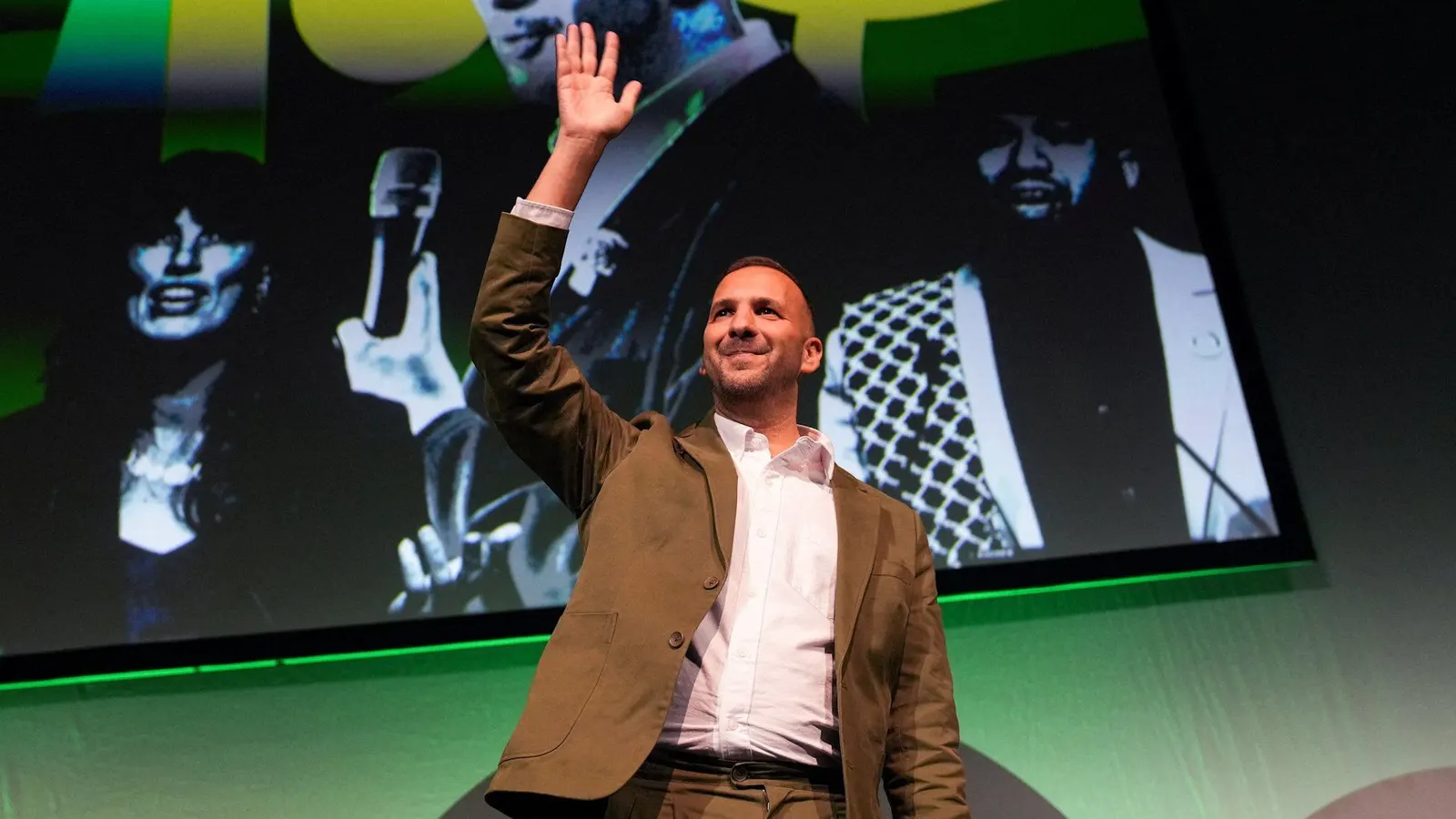
Members of Britain’s Green Party voted at their annual conference in Brighton on Oct. 4, 2026, to classify Zionism as a form of racism and support a single democratic Palestinian state across historic Palestine. The motion passed by 1,022 votes to 813.1234
What the motion says
The motion describes Zionism as an ethnonationalist political project and says it should be treated like other forms of racism. It calls for a single Palestinian state across historic Palestine; according to The Guardian, the proposal specifies equal rights for all. Zionism was a driving force behind Israel’s creation in the 20th century, though Jewish organisations at times describe it as the pursuit of Jewish self-determination.1234
According to The Guardian, the result made the measure mandatory party policy for the Green Party’s English and Welsh branches. It also said Greens for Palestine promoted the motion and encouraged people outside the party to join so that it could be debated and adopted; those details have not been independently confirmed by the other dossier sources.1
Opposition inside the party
The motion passed despite resistance from senior party figures. At least three of the Greens’ five members of Parliament opposed it, according to multiple reports, while The Guardian separately reported that four condemned it. Zack Polanski, the party leader, was absent from the vote because he was campaigning for a parliamentary seat in Holborn and St Pancras, The Guardian reported.124
Vivien Lichtenstein, who heads the Jewish Greens, said the motion would not help Palestinians and that she might leave the party. The Guardian reported that opinion among Jewish Green members was divided and that some feared disciplinary action over membership of organisations supporting Zionism. Supporters of the motion said such disciplinary action would not occur.1
The Guardian also reported that some members were consulting lawyers about a challenge under equality legislation. Adam Wagner KC told the newspaper that the challenge was likely to succeed, although no result has yet been reported.1
Condemnation from Jewish groups and Israel
The Movement for Progressive Judaism described the motion as antisemitic and said the party had made antisemitism part of its policy. The Board of Deputies, the Community Security Trust and the Jewish Leadership Council said the move risked making the Greens the first British party with meaningful electoral relevance in living memory to embrace a platform they viewed as apparently antisemitic, and cautioned that it could affect British Jews’ safety and wellbeing.1234
Israel’s foreign ministry called the policy a clear antisemitic text and said it went beyond legitimate political debate. It urged all British parties, particularly the governing Labour Party, to reject the resolution. The Israeli government also alleged that the Greens had embraced Hamas’s goal of eliminating Israel through armed struggle.1234
Supporters point to the Gaza war
Mothin Ali, the Greens’ deputy leader, said Palestinian fatalities in the war between Israel and Hamas were an important backdrop to the vote. The conflict followed Hamas’s deadly 2023 attack at an Israeli music festival. Citing Palestinian deaths, Polanski argued in favour of the motion’s overall case; he and other leading Greens said backing Palestinian rights did not conflict with backing Jewish rights.123
United Nations investigators have accused Israel of genocide in Gaza, a finding Israel rejects. Britain’s government considers the actions of Israeli settlers in the West Bank to constitute ethnic cleansing, but says the question of whether Israel’s other conduct amounts to genocide must be decided by courts. Israel rejects allegations of ethnic cleansing and genocide.234
Political position
The Green Party holds five seats in Britain’s 650-member Parliament and received 6% of the vote in the 2024 national election. It has also made gains in local and special elections. The party described itself as anti-racist, said it opposed the unlawful occupation of Palestinian and Syrian territory, and again urged the Labour government in Britain to halt every form of arms trade with Israel.1234
Why it matters
The decision gives a party with five MPs and 6% of the 2024 national vote an official position on Zionism that leading Jewish organisations and Israel describe as antisemitic. It could affect the Greens’ electoral standing, relations with British Jewish communities and a possible legal dispute under equality legislation.1234
Videos
Version history
- version 1 ·