World · United States of America
Supreme Court rejects ballot exclusion bid as Americans vote for Congress
The Guardian reports that the court rejected efforts to exclude ballots from people the Justice Department alleges are non-citizens. Congressional control remains undecided, with living costs dominating voters’ concerns.
Listen to the story
Short version
The Guardian reports a Supreme Court rejection of efforts to exclude disputed ballots as Americans vote. Control of both congressional chambers remains unresolved.
- Justice Department allegations of non-citizenship are not established facts.
- Six more people face alleged voter-fraud charges in California.
- Republicans are defending both congressional chambers.
- Seven Senate races are rated toss-ups.
- Living costs dominate voters’ concerns, according to the BBC.
What's new
- According to the Guardian, the Supreme Court turned down attempts to set aside and disqualify votes cast by individuals whom the Justice Department alleges are not US citizens.
- The Justice Department charged six more people in California with alleged voter-fraud offences, the Guardian reports.
- Florida and Ohio are holding special Senate elections after their former senators left for executive-branch roles, according to the Guardian.
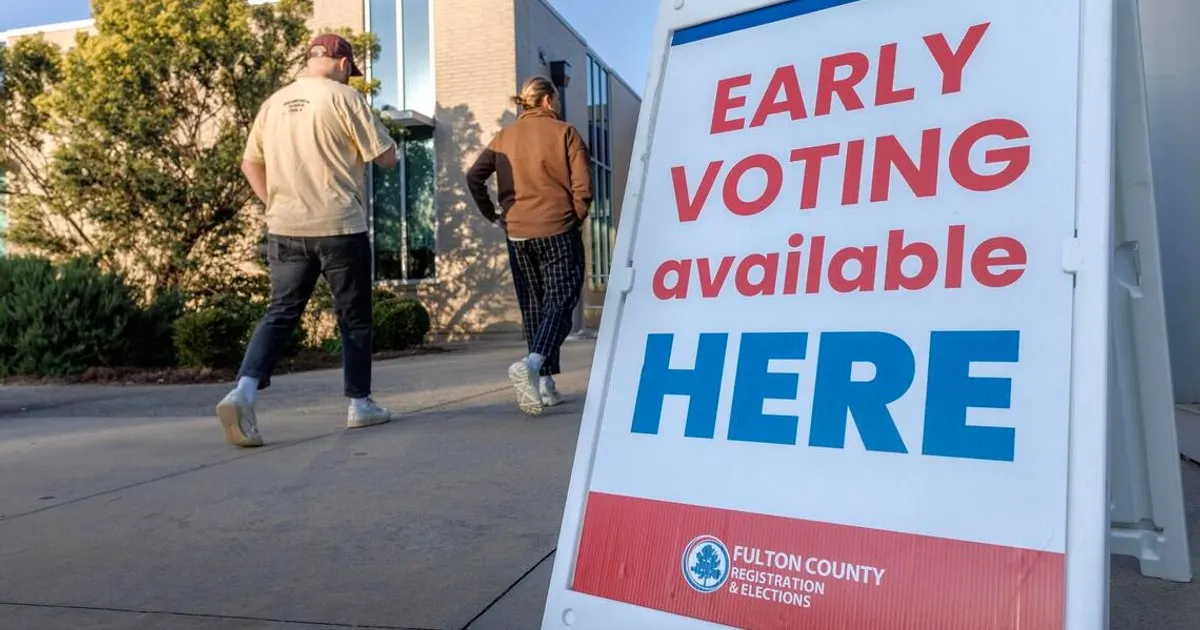
The Supreme Court rejected efforts to separate and exclude ballots from people the Justice Department alleges are non-citizens, the Guardian reports, as Americans vote on November 3, 2026, to determine control of Congress. The newspaper also reports six additional voter-fraud prosecutions in California. Neither chamber’s outcome is established in the available reporting.12
Two chambers, different contests
Thirty-five Senate seats are being contested, according to the BBC. The broadcaster reports that Democrats need a net gain of four Senate seats, or five if they lose Michigan. The Guardian reports that surveys favour Democrats in the House but indicate a tougher Senate contest.21
Cook Political Report rates seven Senate races as toss-ups, six in Republican-held seats and one in a Democratic-held seat, according to the BBC. The Guardian reports that final New York Times and Siena University surveys showed Democratic candidates leading in five of seven key battleground contests. Those findings are polling indications, not election results.12
Florida and Ohio are holding special Senate elections after Marco Rubio and JD Vance left their Senate seats for executive-branch roles, according to the Guardian. Voters are also choosing governors; the newspaper reports that Republicans and Democrats each held 18 of the governorships being contested.1
Trump's campaign and approval
Final polls put Trump’s approval rating at about 38%, according to the BBC. The Guardian reports ratings between 33% and 37%.21
Voters overwhelmingly identify the cost of living as their main concern, the BBC reports. It attributes rising food and fuel prices partly to Trump's tariffs and the Iran war. Separately, a Harris survey for the Guardian found that 76% of respondents believed elected officials were more concerned with increasing their own wealth than improving the economy.12
Senate campaigns and legal disputes
The Guardian reports that the Supreme Court refused requests to segregate and disqualify votes cast by individuals whom the Justice Department alleges are not US citizens. The newspaper also reports that the department charged six more people in California with alleged voter-fraud offences. Those charges and the department’s claims about citizenship are allegations, not findings of guilt.1
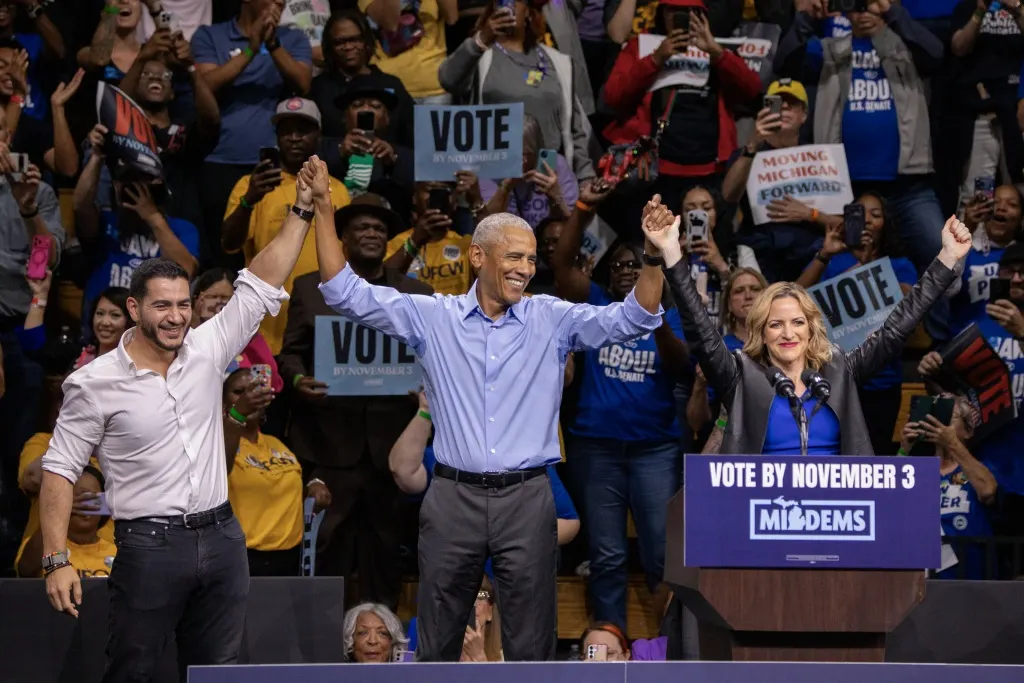
In Michigan, Haley Stevens endorsed Republican Senate candidate Mike Rogers after losing the Democratic primary to Abdul El-Sayed, the Guardian reports. Senate minority leader Chuck Schumer called the endorsement “a despicable betrayal”, according to the newspaper.1
In Alaska, Mary Peltola denied knowledge of an effort involving a challenger sharing Republican senator Dan Sullivan’s name, according to the Guardian. The newspaper reports that a judge dismissed the Justice Department’s lawsuit seeking to prevent certification of Alaska’s Senate results.1
The Justice Department plans to deploy 1,000 monitors to polling stations nationwide, according to the Guardian. Critics cited by the newspaper describe the planned deployment as voter intimidation.1
When results could become clear
The first election results are expected after 18:00 EST, according to the BBC. Early returns will not necessarily establish control of Congress.2
The BBC’s account of 2022 describes Republicans reaching the 218 seats needed for a House majority in November and Democrats retaining Senate control after winning Nevada. Democrats subsequently won Georgia’s Senate runoff in December. Those are historical outcomes, not results of the current election.2
Why it matters
Control of Congress will shape the remainder of Donald Trump’s presidency. Democrats may seek to impeach cabinet members if they win the House, according to the BBC.2
Videos
Related stories

Version history
- version 3 · This update leads with the reported Supreme Court ballot ruling and additional California charges, adds special-election context, and corrects source references and unsupported counting details.
- version 2 · This update adds BBC reporting on living costs, competitive Senate races and counting timelines, while correcting source attributions and distinguishing historical results from the unresolved 2026 election.
- version 1 ·