Science & Tech · United States of America
Amazon pledges $1bn for US data-centre communities as opposition grows
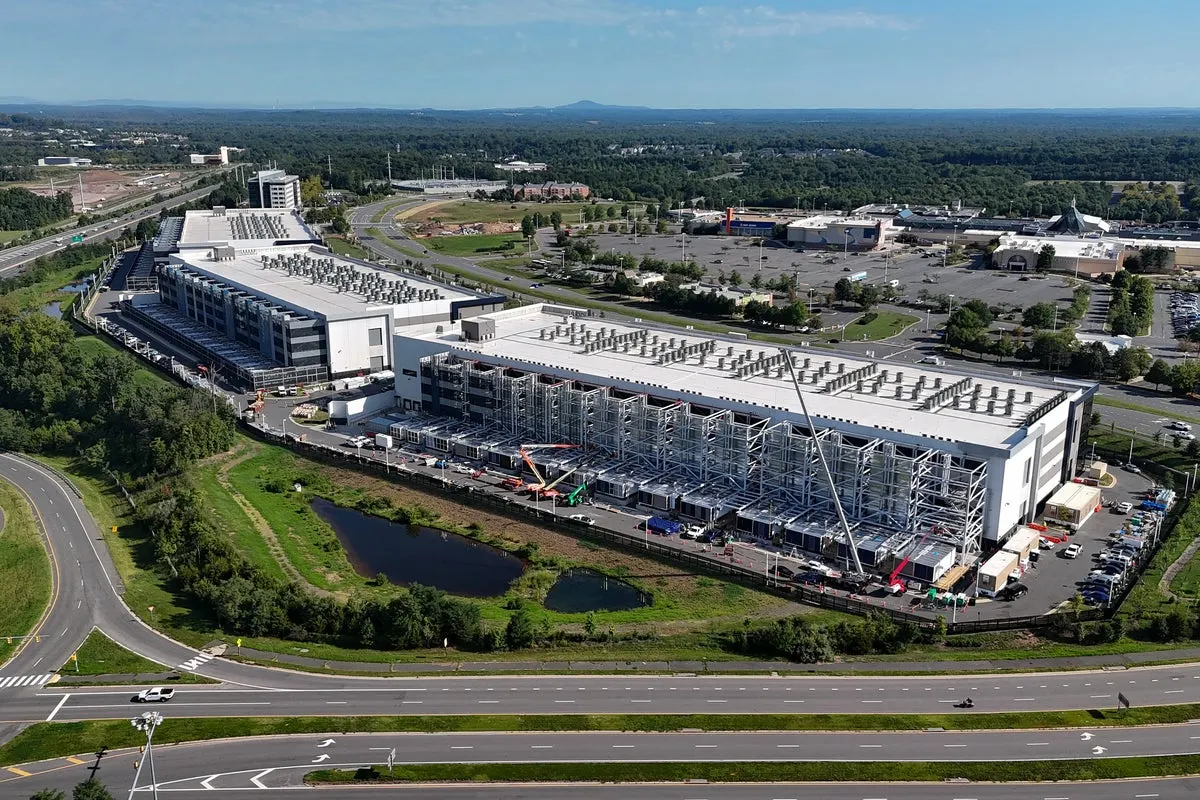
Amazon is seeking support for artificial-intelligence infrastructure while promising community investment and greater transparency. More than 100 proposed data-centre moratoriums are under consideration across the United States.
Amazon is responding to US resistance against AI data centres with community spending and transparency promises, while warning that construction limits could carry national consequences.
- Amazon pledged $1 billion for host communities over five years.
- More than 100 data-centre moratoriums are under consideration.
- Amazon says it is ending NDAs with public agencies.
- Polling shows concern about electricity prices and water supplies.
- The scope of the no-NDA policy remains unclear.
What's new
- Amazon committed $1 billion over five years to data-centre host communities. [s1, s2]
- The company said it was ending nondisclosure agreements with government agencies. [s2, s3]
- Amazon plans public open houses explaining its data-centre operations. [s2]
- More than 100 proposed moratoriums are being considered nationwide. [s1, s2, s3]
Amazon on 2 October urged US communities to support artificial-intelligence data centres, as its cloud-computing chief warned that restrictions could damage the country’s economy and national security. The company also announced $1 billion of spending over five years for communities hosting its facilities and said it was moving away from secrecy agreements with public authorities.123
Community resistance
The appeal comes as local resistance to data-centre construction grows. More than 100 moratorium proposals are being weighed across the country, according to all three reports. Matt Garman, the chief executive of Amazon Web Services, argued that pausing development could weaken the United States in the international competition over AI and produce consequences lasting for generations.123
Polling cited by The Independent found that about six in 10 Americans support limiting the number of new data centres. Majorities of both Democrats and Republicans favoured such limits, while most respondents said they were extremely or very concerned about the effects on local water supplies and electricity prices.2
The issue has also entered US electoral politics ahead of the midterm elections. President Donald Trump has promoted further data-centre construction, while demonstrations against AI data-centre expansion took place in Imperial, California, on 18 July 2026.2
Investment and operating commitments
Amazon said its five-year community programme would support education, job training, water conservation and other local priorities. Wired reported that the money would also help provide free community college, workforce preparation and energy-efficiency improvements. The company said it had already spent more than $1 billion during the previous three years in municipalities with a substantial data-centre presence.12
In a company memorandum exceeding 3,000 words, Amazon set out what it called its Data Center Commitment. According to The Verge, the undertaking includes creating employment, investing in neighbouring communities and ensuring that the company’s facilities do not raise local energy rates. Amazon also said it would hold public open houses to explain its operations.23
The expansion forms part of a large capital-spending programme. In July, Amazon increased its forecast for 2026 capital expenditure from $200 billion to $220 billion, a total that includes data centres and other technology assets. Such facilities supply computing capacity for AI systems and cloud networks.2
A shift on secrecy agreements
Amazon said it has ceased requiring government agencies to sign confidentiality agreements concerning local projects. Wired separately reported that the company had stopped using such agreements with county officials. These arrangements have drawn criticism because participating officials are generally prevented from publicly discussing project information.123
David Zapolsky, Amazon’s chief global affairs and legal officer, said technology companies had traditionally defaulted to secrecy but that community leaders needed to be able to inform residents. Wired said Amazon did not answer its questions about whether the new approach also applies to contractors working on data-centre projects.13
Government scrutiny has been widening. Executive orders from the governors of Pennsylvania, Massachusetts and Delaware have targeted confidentiality agreements for data-centre projects, and legislators in four other states — New York, New Jersey, Indiana and Ohio — have weighed prohibiting them. House members from both parties proposed legislation titled the No Secrets for Data Centers Act, while Democratic representative Jamie Raskin of Maryland asked Amazon, Google, Meta and Oracle to disclose information about how they use these agreements.1
Competing accounts of the opposition
Garman described some assertions about data centres and their effects as misinformation or falsehoods. He said there were reports that foreign countries were deliberately spreading misleading claims in the United States to slow construction. Wired reported that the White House and technology executives have repeatedly accused China of encouraging dissent and misinformation, but also said experts considered that explanation for community opposition to be greatly overstated.13
Amazon’s position is that concerns about employment, electricity demand and environmental effects should not halt the AI infrastructure programme. Opponents’ concerns, as reflected in the polling reported by The Independent, centre particularly on electricity prices, water supplies and the scale of further construction.23
Why it matters
For European readers, the dispute illustrates how the expansion of computing infrastructure for AI and cloud services is colliding with concerns about electricity costs, water use and local control. It also shows how technology investment, community consent and national competition are becoming linked in public policy debates.2
Related stories

Version history
- version 1 ·