ViralAnecdotal
Halloween aurora brings green and purple skies to parts of the UK
BBC Weather reported northern lights sightings as skies cleared across parts of the north. The photographs travelled online, but their colours do not necessarily show what observers saw unaided.
An anecdotal column: what is spreading online right now. The moment itself is verified in independent sources, but this is not news reporting and the rules of the news sections (several independent outlets) do not apply.
BBC Weather reported a Halloween aurora across parts of the UK. Later space-weather observations support the timing, though the original photographic submission trail remains incomplete.
- BBC Weather’s clearest reports came from Scotland and Northern Ireland.
- Named photographic locations also included Cumbria and Gwynedd.
- Long exposures can intensify an aurora’s apparent brightness and colour.
- Earlier October sightings must not be confused with Halloween.
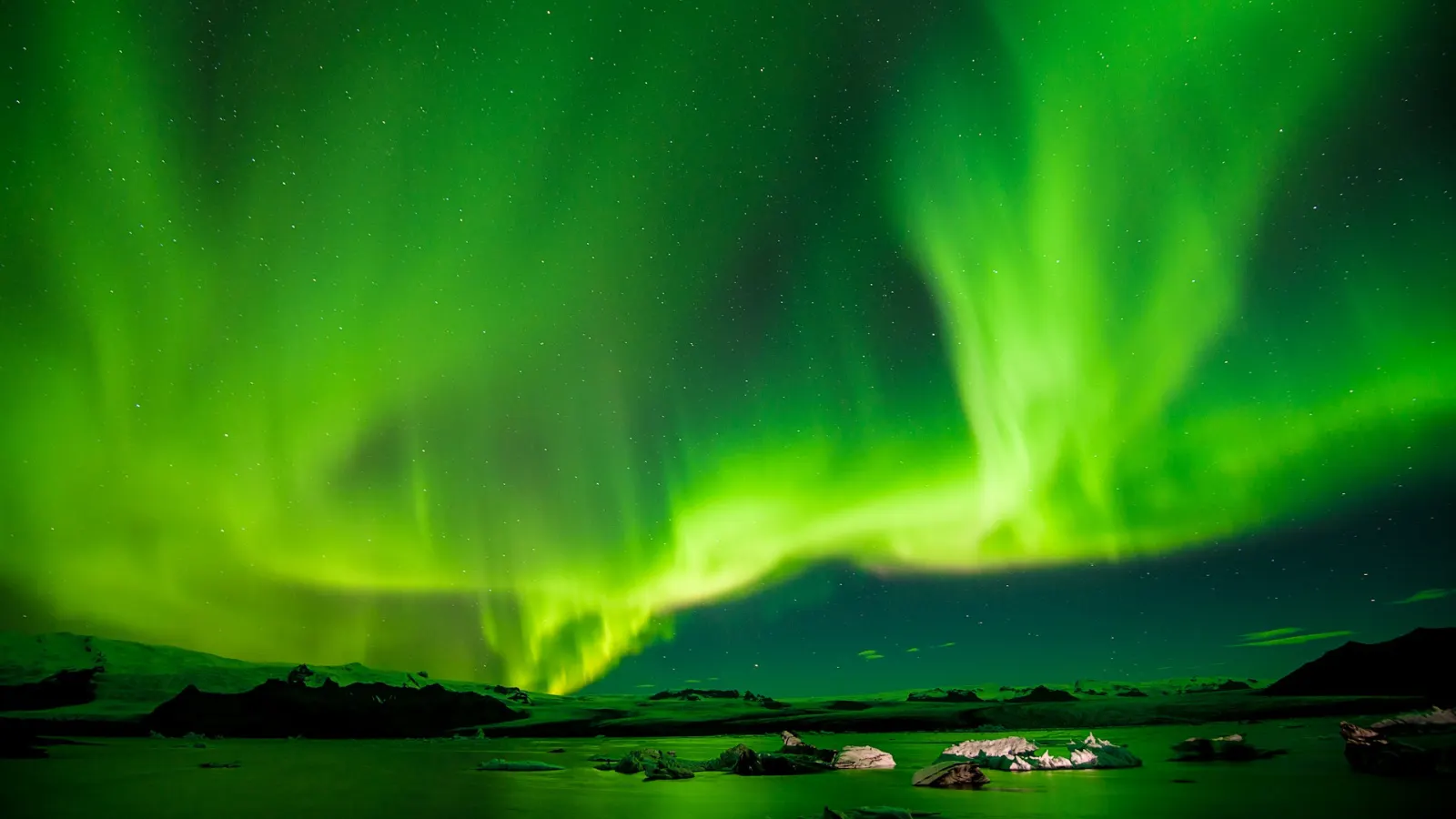
Halloween came with northern lights across parts of the UK on Saturday, October 31, 2026, according to BBC Weather. Its reports placed the clearest sightings in Scotland and Northern Ireland.45
What happened
Photographs from several named locations were submitted through BBC Weather Watchers. The broadcaster said pictures had been submitted through BBC Weather Watchers.4
The timing brought together increased solar wind and a break in the weather. BBC Weather described clearer conditions in parts of the north as rain and cloud shifted south. IBTimes separately reported a green glow over Nairn and coloured bands above parts of Scotland and Northern Ireland.451
This was not described as one of the strongest recent displays. IBTimes reported a comparatively gentler event, while BBC Weather said auroral activity carried on more weakly into Sunday night. The later Met Office outlook pointed toward activity settling down rather than building into a sustained stronger display.153
Why it spread
The online story centred on photographs: green, purple and pink skies appearing on Halloween, shared by skywatchers and carried by news outlets. BBC Weather’s collection gave that spectacle a series of recognisable locations, while IBTimes also highlighted the colour above Nairn.41
There is a photographic qualification to those colours. Long exposures can make auroras appear brighter and more colourful than they look to an unaided observer. In the Guardian report syndicated by AOL, meteorologist Greg Dewhurst also explained that cameras may record auroral light farther south than the area forecast for naked-eye visibility. That report concerned an earlier October event, not Halloween.2
What is true
The Halloween sightings are supported by BBC Weather’s reporting, but the original submission trail remains incomplete.45
The Met Office space-weather assessment published on November 2 provides supporting context. It recorded geomagnetic conditions reaching active to minor-storm levels before easing, and solar-wind speeds declining from an initial 500–600 kilometres per second to 440–510.3
Another boundary matters: the Guardian/AOL report was published on October 11. Its accounts of sightings in Kent and Surrey, and its forecasts for the following nights, belong to that earlier episode. They are not evidence that the Halloween display reached those places. For October 31, the named photographic locations come from BBC Weather’s November 1 coverage.24
Related stories
Version history
- version 1 ·
Editors' commentary
The editors' view, not news reporting.
A Halloween sky needs little embellishment when the colours are already there. The most satisfying version of this story keeps both the spectacle and those limits in view.