Business · United Kingdom
UK Diesel Prices Near Record Highs as Fuel Costs Squeeze Drivers
Average diesel prices have climbed close to the June 2022 record, with more than 226 Scottish forecourts charging above £2 a litre, as the US-Israel war with Iran keeps disrupting oil markets.
UK diesel prices are near record highs, driven by disruption from the Iran war, squeezing hauliers, volunteers and drivers across Britain.
- UK average diesel price is 198.32p per litre, near the 2022 record
- Diesel subsequently climbed to a record 199.18 pence per litre
- 226+ Scottish forecourts charge over £2 per litre for diesel
- Filling a diesel tank costs almost £110, up £31 since February
- Government extended fuel duty cut, but reversal planned by spring
What's new
- Diesel hit 199.18p per litre on 28 September, edging past the June 2022 record of 199.09p
- At least 226 Scottish forecourts are charging more than £2 per litre for diesel
- UK government extended its 5p fuel duty cut until 31 December, though a full reversal is planned by spring
- Northern Ireland diesel reached 199.9p per litre in Armagh City, the highest since the Iran war began
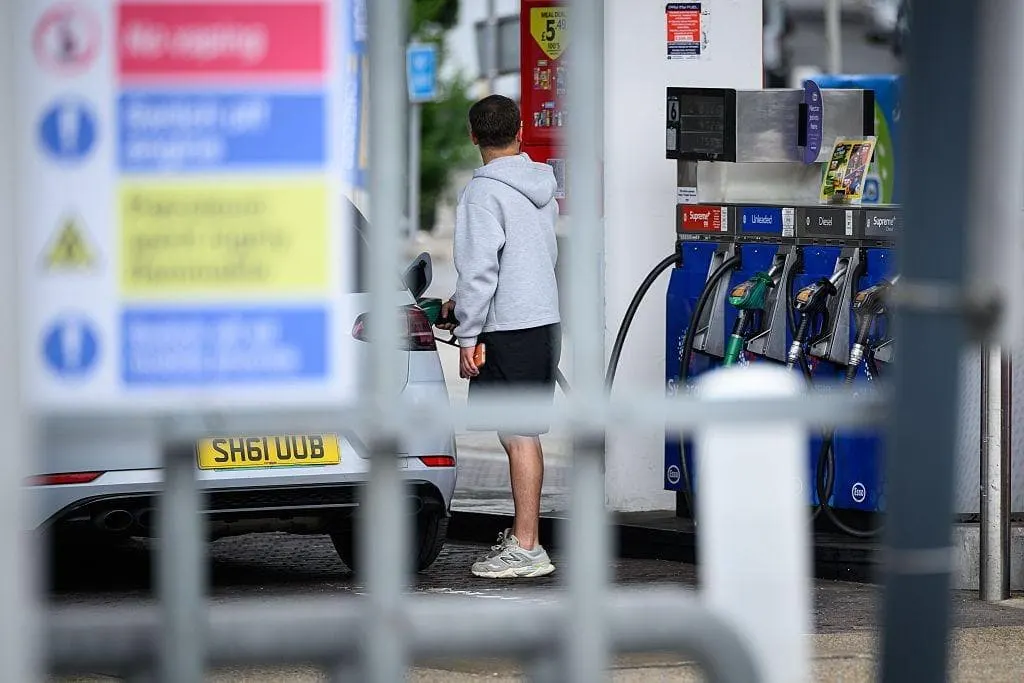
UK diesel prices climbed close to an all-time high this week, with the average price reaching 198.32p per litre and more than 226 forecourts across Scotland charging above £2 per litre, as the ongoing US-Israel war with Iran kept fuel costs near levels not seen since June 2022.136
Record prices across the UK
According to reporting from 25 September 2026, UK pump prices for diesel averaged 198.32p per litre, nearly matching the record of 199.09p set on 25 June 2022. RAC data cited later showed diesel reaching 199.18p per litre on 28 September 2026, alongside petrol at 174.13p per litre. Filling an average family car with diesel now costs almost £110, £31 more than at the start of the US-Israel war with Iran in February, while filling a petrol tank costs nearly £96.1345
Scotland's £2 threshold
Analysis by BBC Scotland News found at least 226 forecourts across Scotland charging more than £2 per litre for diesel. In the Hebrides, diesel reportedly reached 238.8p and 223p per litre at some sites, while the Northern Isles saw prices of 209.0p and 208.9p per litre, according to BBC reporting. Orkney, Shetland and the Borders were among the areas most affected.16
Hauliers under pressure
Norman MacAskill, who runs livestock haulier N D MacAskill & Son in South Uist, said diesel now costs £2.22 per litre. According to MacAskill, he entered the haulage business 40 years ago when diesel cost 32p per litre. "Anyone who is running a lorry is absolutely devastated when they get their fuel bill at the end of the month," he said, adding, "There's no business on earth that can withstand that increase in costs."46
Dave Neil, who operates Sinclair Haulage in Orkney, said his firm is spending £400 more a week on diesel than before the summer, calling the situation "challenging." The Road Haulage Association said fuel is costing operators an extra £250 a week per vehicle. BBC Scotland News reported that multiple haulage firms established 50 to 60 years ago are going out of business, though this account comes from a single source.146
Some motorists described the personal impact. Amy Henderson said: "It is just deflating. Life is hard enough as it is."4
Government response
The UK government extended a temporary 5p fuel duty cut, first introduced in March 2022, until 31 December, meaning diesel is 11p per litre cheaper than it would otherwise be under previous plans. Officials said no fuel duty increase would occur this year. Simon Williams, who serves as the RAC's head of policy, noted that plans call for eliminating the cut entirely by spring, a move that would tack an additional 5p onto each litre at the pump. "The Government could take steps to ease the burden on drivers by lowering fuel duty further or reducing VAT," Williams said, adding that "drivers will be watching this coming week's Labour party conference, and October's Budget, very carefully indeed."1345
Oil markets and the Iran conflict
Prices have risen amid what BBC described as severe disruption to oil production and transportation over the past seven months linked to the US-Israel war with Iran. Brent crude, about $70 a barrel before the conflict, peaked above $120 during the fighting, according to BBC. Every $10 per barrel rise in oil price adds roughly 7p per litre to pump prices, BBC reported. About 20% of the world's oil passes through the Strait of Hormuz, which BBC described as effectively closed. Fuel prices fell back in June when the US and Iran agreed a framework deal, according to BBC. Fuel retailers pushed back against claims they were overcharging customers, and the government's markets watchdog stated it had found no proof that sellers were deliberately altering how they set prices.1
In Northern Ireland, a filling station in Armagh City recorded diesel at 199.9p per litre—its priciest since the Iran conflict started—while the region's average climbed to 189.9 pence per litre, a weekly increase of 4.3 pence that pushed it 1.8 pence beyond the mid-April peak. Petrol in Northern Ireland has hit new post-war highs for five consecutive weeks, averaging 166ppl. Crude oil, which had sunk to about $70 a barrel by July, stood at about $105 a barrel at the time of reporting, while home heating oil for 900 litres fell slightly from £1,007 to £997.2
Diplomacy over the Strait of Hormuz
On 25 September, UK Energy Secretary Ed Miliband met Iranian foreign minister Abbas Araghchi, pressing Iran to reopen the Strait of Hormuz. According to the Foreign Office, Miliband said: "Iran should choose de-escalation and diplomacy instead of prolonging the war." He also stressed "the importance of restoring freedom of navigation and the full reopening of the Strait of Hormuz," citing the impact of continued disruption on global security and economic stability. Separately, Chinese President Xi Jinping met US President Donald Trump the same day, with China resisting pressure to leverage Iran, according to reporting.2
Wider social impact
Rising fuel costs are also affecting volunteer services. The Jersey Community Foundation gave £38,000 to Meals on Wheels Jersey, an entirely volunteer-run charity where over 200 people help prepare and bring meals to roughly 100 recipients on four days each week. According to the charity, escalating fuel expenses are making it harder to attract volunteers, since certain drivers must cross the island from one end to the other on two separate occasions daily.1
Why it matters
Higher diesel costs raise the price of transporting goods across Europe, since businesses that rely on diesel vehicles pass costs on to consumers. The disruption also highlights how dependent economies like the UK's remain on distant oil-producing regions and shipping routes such as the Strait of Hormuz.51
Videos
Related stories
Version history
- version 1 ·