Business · United States of America, Russian Federation
Trump Weighs Diesel Export Ban Despite Gasoline Price Risk
President Trump says he is still considering restricting U.S. diesel exports, but U.S. officials and industry voices warn the move could instead push gasoline prices higher.
Listen to the story
Short version
Trump is weighing a U.S. diesel export ban, but officials and analysts warn it could raise gasoline prices instead of lowering diesel costs.
- Trump says he is still considering a diesel export ban
- Energy Secretary cites record refinery runs, new European diesel supplies
- A ban could lower gasoline production by as much as 750,000 barrels per day
- U.S. could become net gasoline importer by late 2026
- About half of Europe's diesel supply comes from the U.S.
What's new
- Trump says he is 'thinking about' a diesel export ban but flags a possible 'negative impact' on gasoline
- Energy Secretary Chris Wright points to record refinery runs and new European diesel supplies instead
- Industry analysts warn a ban could cut gasoline output and make the U.S. a net gasoline importer by late 2026
- Russian analysts say a ban would deepen Europe's diesel shortage and cause a 'global price shock'
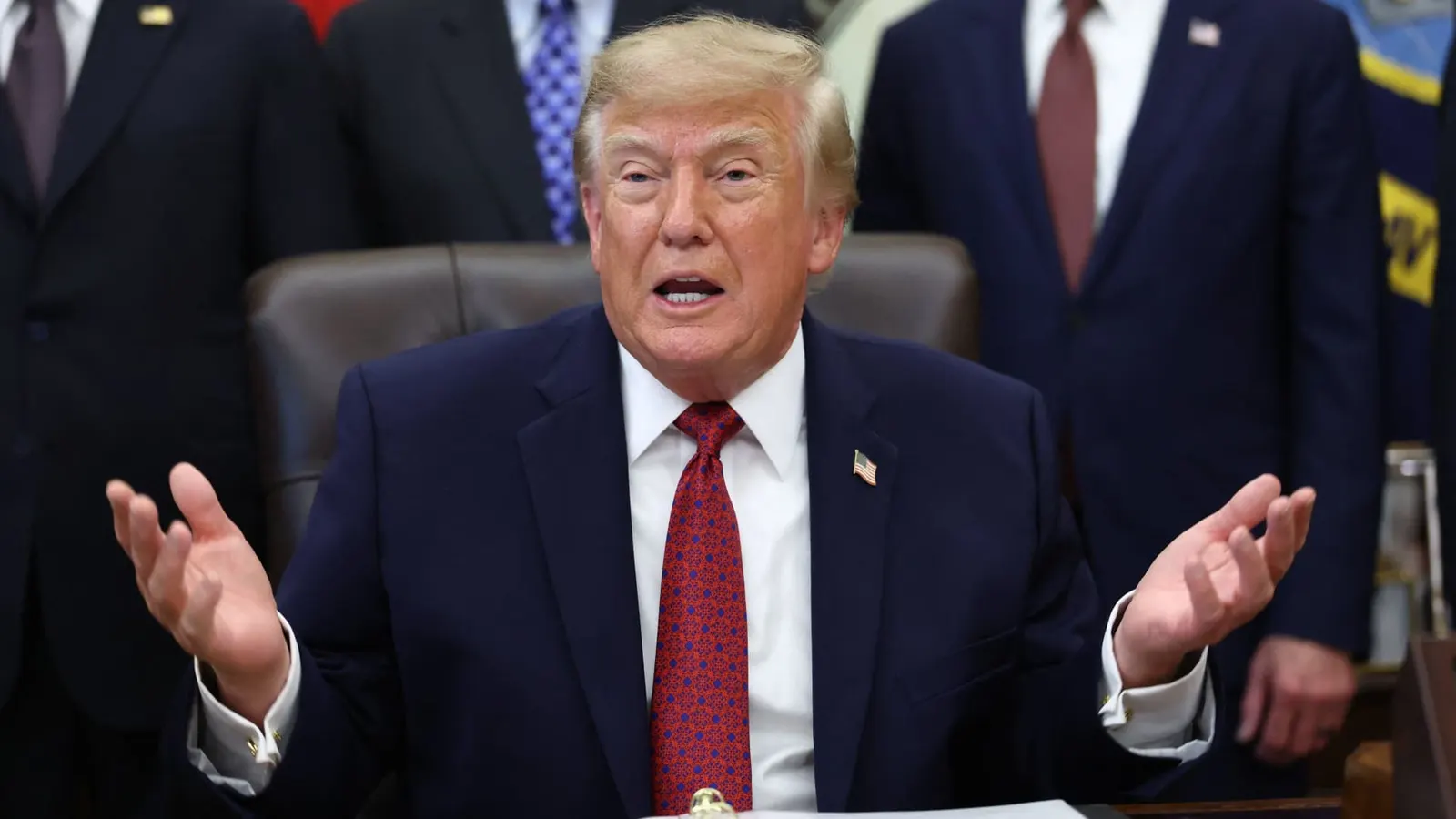
President Donald Trump said on September 30 and October 1 that his administration is still considering a ban on U.S. diesel exports, while acknowledging the measure could have a "negative impact" on gasoline prices, according to CNBC and Middle East Eye.17
Washington weighs trade-offs
According to Bloomberg, the Trump administration's enthusiasm for a diesel export ban has cooled because of fears that it could trigger unintended spikes in gasoline prices. Energy Secretary Chris Wright said American refiners are running at record highs and that new diesel supplies are expected from Europe, saying this would "meaningfully push diesel prices down," per CNBC.21
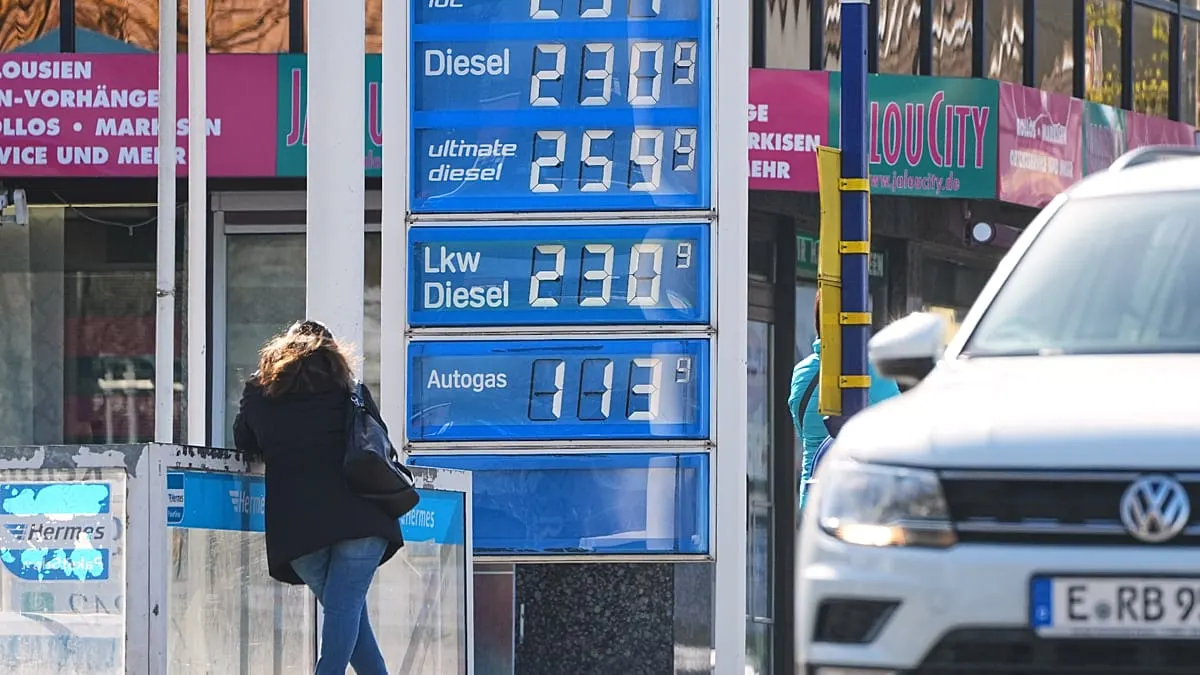
CNBC reported that diesel prices have reached record highs amid the conflicts in Iran and Ukraine, which it described as the biggest strain on diesel markets, though prices eased in the most recent week. The outlet said diesel supplies have also tightened because of lost export volumes tied to Russia, the Middle East and China. Middle East Eye reported that the U.S. has lost diesel exports from the Middle East and that the administration expects Europe to announce new supplies soon.17
Industry warns of knock-on effects
The American Fuel & Petrochemical Manufacturers trade group said a diesel export ban would force refiners to cut overall fuel production, since gasoline and diesel are both produced from the same barrel of oil. The group estimated overall refinery output could drop by 1.9 million barrels per day, with gasoline production falling by as much as 750,000 barrels daily — about 12 percent of U.S. refining capacity, potentially making the United States a net gasoline importer by the end of 2026 after more than a decade as a major fuel exporter.6
Industry analysts William O'Neil, Brian Stetter and Debnil Chowdhury said reductions of that magnitude would ripple across other fuel supplies, cautioning that gasoline output could decline enough to turn the U.S. into a net gasoline importer in the fourth quarter of 2026. Andy Lipow said gasoline prices "could soar" and cautioned against banning diesel exports, citing "a whole rash of unintended consequences." Martijn Rats said a ban could have the "counterintuitive effect" of raising gasoline prices if refiners cut runs.6
Russian and European angles
TASS, citing Oleg Nikolayev of the Institute for the Economy of Growth, reported that about half of the diesel supplied to Europe in recent months came from the United States, and that most European oil traders doubt Washington will actually impose the ban. Nikolayev said U.S. refineries currently produce about 5.1 to 5.3 million barrels of diesel per day, with up to 30 percent exported, generating roughly $150 million in daily export revenue, or about $55 billion a year. He said a ban would strand about 1.5 million barrels per day that would need to be stored or sold domestically, and that U.S. diesel storage could fill within about a month, after which refiners would be forced to cut crude processing.35
Nikolayev said reduced refinery processing would lower gasoline and jet fuel output and push their prices up, describing the situation with the saying "nose pulled out — tail stuck," and noting the export ban carries "too many bad side effects for the United States itself." TASS said a ban could drive European diesel prices to unprecedented highs. Separately, financier Igor Yushkov told OSN Media that a ban could cause a "global price shock" and a "severe energy deficit in Europe," arguing Washington is weighing a plan to artificially hold fuel domestically to lower prices at its own pumps, which he said would be a "catastrophe" for the rest of the world. He said diesel costs have reached about $200 per barrel in oil-equivalent terms and that idle refineries elsewhere lack the raw materials and technology to quickly replace lost U.S. volumes, with the EU facing the most severe impact partly because of its internal restrictions on importing oil products refined from Russian crude in third countries.4
Why it matters
Europe has depended heavily on U.S. diesel shipments, and a ban could tighten supplies and raise prices there just as the region already faces reduced diesel flows from other exporters. The debate also illustrates how U.S. energy policy choices aimed at domestic prices can carry direct consequences for European fuel costs.352
Videos
Related stories
follow-up
background
same actors
Version history
- version 1 ·