World · United States of America, Islamic Republic of Iran
Trump Rejects Iran's Seven-Day Plan to Reopen Strait of Hormuz
President Trump turned down Iran's plan to end regional hostilities and restore Strait of Hormuz traffic within a week, calling the offer unacceptable and asserting that Tehran was suffering major losses.
President Donald Trump said he turned down a plan from Iran to stop Middle East fighting and reopen the Strait of Hormuz, describing the offer as unacceptable and claiming Iran sought the deal because it was losing badly. Iran's foreign minister, Abbas Araghchi, said the proposal, sent through Qatari mediators, would have started a week-long process toward reopening the strait and pausing regional fighting, with terms consistent with an earlier memorandum covering frozen assets, sanctions relief and lifting the U.S. naval blockade.
Iranian President Masoud Pezeshkian said Tehran remained open to talks but would not accept coercion, while a senior Iranian official said Iran would not compromise on its nuclear program. The Wall Street Journal reported Trump was privately skeptical Iran would meet his demands and expects to resume bombing after the November U.S. midterms. The war, which began February 28, has spread across the region, disrupting shipping and damaging Iran's economy and forces.
Trump declined an Iranian week-long plan for reopening the Strait of Hormuz, as Iran maintained that diplomacy was still the only viable route.
- Trump called Iran's seven-day reopening proposal unacceptable
- Iran said the plan was sent via Qatari mediators
- A senior Iranian official ruled out nuclear concessions
- WSJ says Trump expects renewed strikes after midterms
- War has raged since February 28, disrupting oil shipping
What's new
- Trump informed reporters that he turned down Iran's plan to halt hostilities and restore traffic through the Strait of Hormuz
- Iran's foreign minister said accepting the offer would start a week-long clock leading to the strait's reopening
- A senior Iranian official said Tehran would not compromise on its nuclear program despite the offer
- The Wall Street Journal reported Trump privately doubts Iran will meet his demands and expects renewed bombing after the midterms
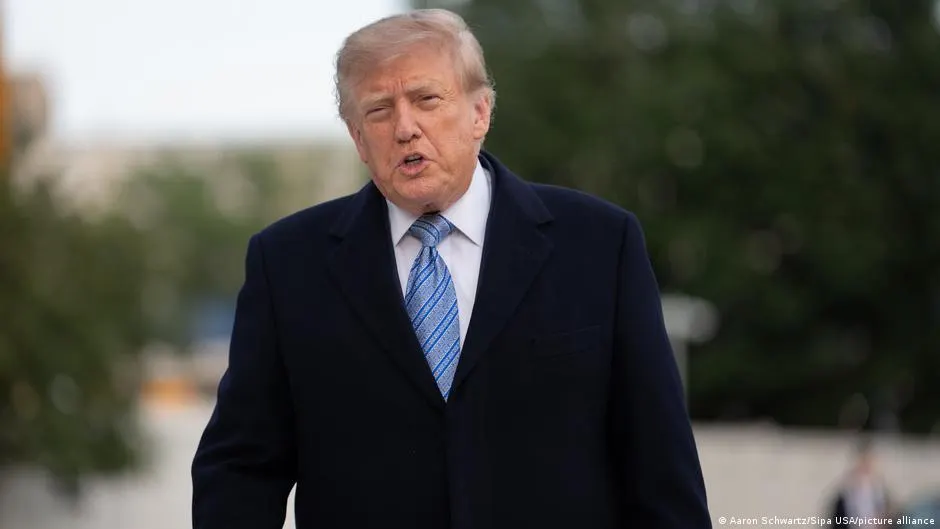
President Donald Trump said on Saturday that he had turned down a plan from Iran aimed at reopening the Strait of Hormuz and stopping fighting throughout the Middle East, telling reporters at the White House that Tehran's offer was not "acceptable."17216
Trump's rejection
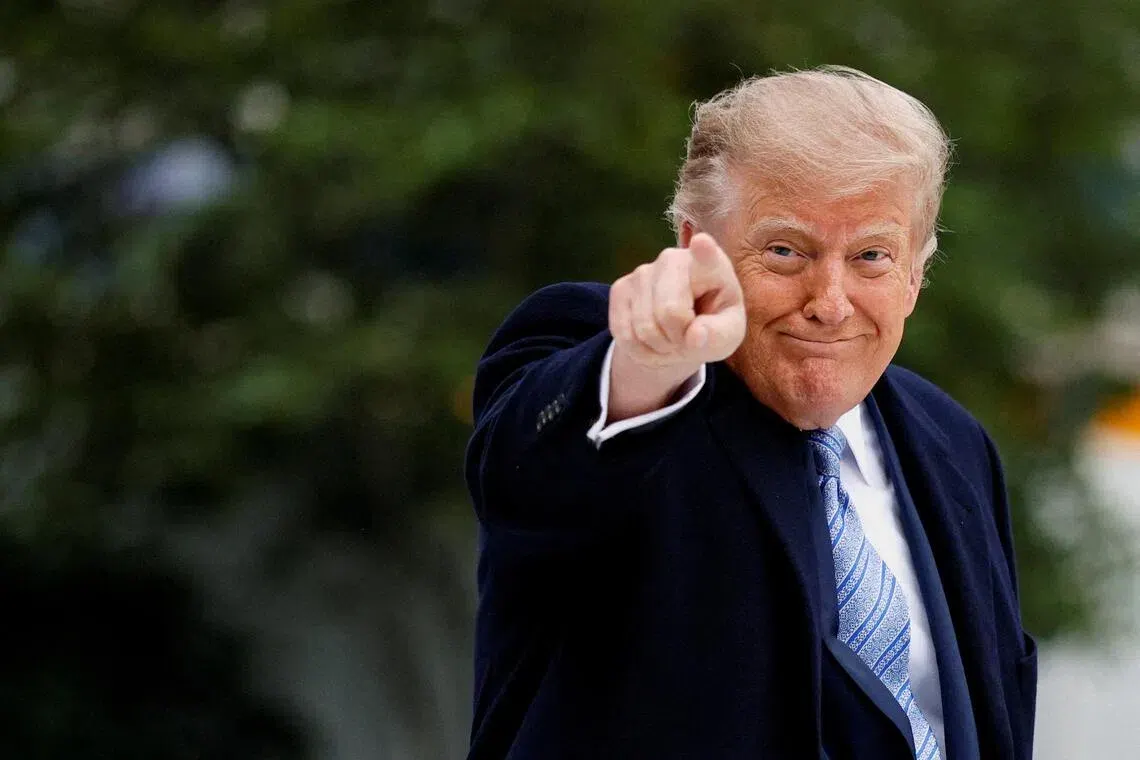
Trump said Iran wanted an agreement because it was losing badly, arguing that Tehran was seeking to open the Strait of Hormuz because it had no money coming in. "They want to make a deal to open the Hormuz Strait immediately because they're losing so badly," he said.4175
Trump asserted that the United States had control of the waterway and claimed the U.S. was "winning tremendously." He also posted an image on social media referring to the Strait of Hormuz as the "Trump Strait."43117
Iran's seven-day offer
Iran's foreign minister, Abbas Araghchi, said Tehran had delivered a specific one-week proposal to the United States via Qatari intermediaries, under which normal shipping through the Strait of Hormuz would resume on the truce's seventh day if certain conditions were satisfied. "Our conditions are clear, and any move toward reopening the Strait of Hormuz is contingent on these conditions being met," he said.68105
Araghchi said these conditions mirrored an earlier memorandum of understanding with the United States that required unfreezing Iranian assets, removing sanctions on Iranian oil exports, and lifting the U.S. naval blockade. He said if the U.S. agreed, warring parties could begin wider talks on mutually agreed subjects. "If there is seriousness on the US side to come to a deal and reopen the Strait of Hormuz, everything is now prepared," he said.7843
Araghchi said Iran was still waiting for a definitive response through mediators. "We are waiting for the mediators to convey the definitive views to us, and we will make a decision based on them," he said, adding that mediators had not officially relayed a U.S. rejection of the plan.5689
Pezeshkian's message
Iranian President Masoud Pezeshkian said Iran had already committed to forgoing nuclear weapons development and remained open to discussions on its nuclear program as well as other matters. He said Iran was not seeking war but would defend itself against pressure, threats and attacks, and that Iran had not walked away from the negotiating table but no longer trusted the United States.4123
Pezeshkian said the plan was crafted jointly with Mojtaba Khamenei and would take effect as soon as the U.S. agrees to Iran's terms. He said the United States has blocked Iran's way and Iran has blocked the way from its side, and that Washington needs to show it does not intend to overthrow Iran's government. He said Tehran would not accept bullying or coercion.78110
Nuclear stance and the wider war
A senior Iranian official informed Reuters that Iran would remain firm on its nuclear program even if Washington accepted the peace proposal, refusing to yield on uranium enrichment or on exporting highly enriched uranium. Trump has repeatedly stated that Iran must be prevented from obtaining a nuclear weapon.4311
The conflict, which began on February 28 with U.S. and Israeli attacks, has extended throughout the region after Iran and its allies retaliated. Iran has attacked American partners in the Gulf using drones and missiles, and its Houthi allies in Yemen have struck at Saudi targets. Militias aligned with Iran in Iraq were held responsible for striking a pipeline, briefly cutting additional Saudi oil supplies. The war has degraded Iran's conventional forces, damaged its economy, disrupted oil flows and harmed the global economy.4263
What comes next
A U.S. official said discussions with Iran through mediators had been positive and constructive, even as Trump publicly rejected the proposal. The Wall Street Journal, the first outlet to report Trump's rejection, said he privately doubted Iran would satisfy his demands and had told aides he expected to resume bombing after November's U.S. midterm elections.4752
Earlier diplomatic efforts, including a memorandum of understanding that fell apart in July, have not succeeded in ending the war. Trump declined to give a direct answer when questioned about resuming military strikes once the midterms conclude.4263
Why it matters
The Strait of Hormuz serves as a vital passage for oil and gas shipments worldwide, and blocking it has already interrupted shipping and inflicted damage on the global economy. For readers in Europe, prolonged disruption or renewed U.S. strikes could further affect energy markets already unsettled by the nearly seven-month conflict.3114
How the story unfolded
The story's events over time. Click a person, place or related story.
What we know
- Trump openly declined Iran's offer to stop fighting and reopen the Strait of Hormuz.
- Iran's proposal was transmitted via Qatari mediators and tied to a seven-day countdown.
- Iran said it would not concede on its nuclear program despite the offer.
- The conflict, ongoing since February 28, has spread across the region and disrupted shipping.
- The Wall Street Journal reported Trump's private skepticism and expectation of renewed strikes after the midterms.
What we don't know yet
- Whether mediators have officially conveyed a U.S. rejection to Iran.
- Whether Trump will resume a bombing campaign after the midterm elections.
- Whether the exact duration of the conflict is seven months, as some reports indicate but is unconfirmed.
Timeline
- February 28The war began with U.S. and Israeli attacks.311
- JulyThe Islamabad memorandum of understanding, a prior ceasefire framework, collapsed.12
- reported 25 SeptBehind-the-scenes talks between the U.S. and Iran restarted at the U.N. General Assembly in New York, coinciding with Houthi missile and drone strikes on Saudi targets.12
- reported 25 SeptIran relayed a specific seven-day proposal to Washington via Qatar.6810
- reported 26 SeptTrump told reporters he rejected Iran's proposal, calling it unacceptable.17213
- reported 26 SeptAraghchi said accepting the arrangement would set off a seven-day timeline toward reopening the strait and halting hostilities.3411
- reported 27 SeptIran insisted only diplomacy could resolve the conflict, and Araghchi said mediators had not officially relayed a U.S. rejection.11
Quotes
They want to make a deal to open the Hormuz Strait immediately because they're losing so badly,
Our conditions are clear, and any move toward reopening the Strait of Hormuz is contingent on these conditions being met,
If there is seriousness on the US side to come to a deal and reopen the Strait of Hormuz, everything is now prepared,
We are waiting for the mediators to convey the definitive views to us, and we will make a decision based on them,
Related stories
Version history
- version 1 · 27 September at 04:32