Trump Rejects Iran’s Seven-Day Plan to Reopen Hormuz
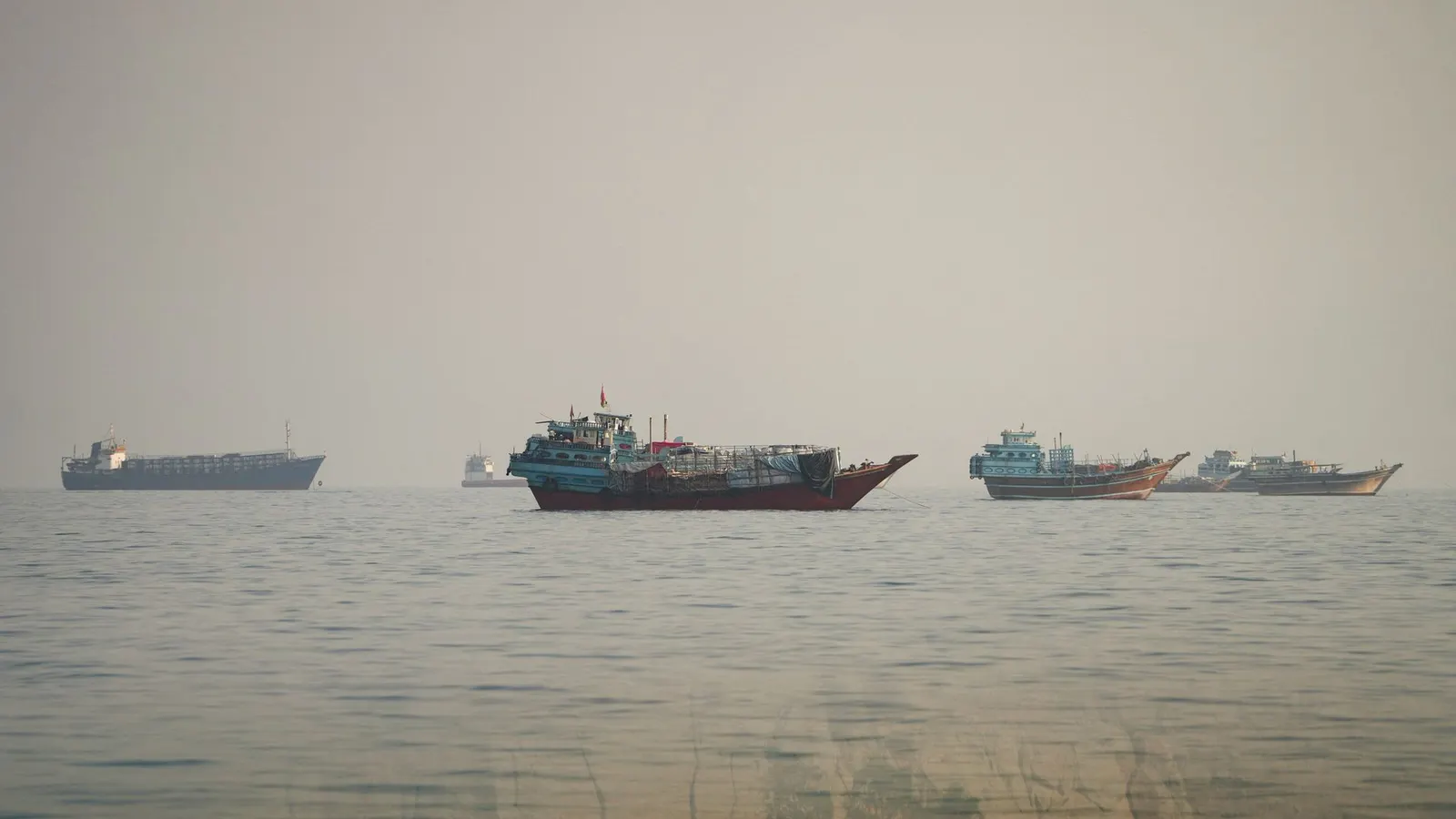
Tehran’s offer to halt regional hostilities and reopen the strait within a week has been turned down by Washington, leaving a critical oil route in limbo.
Listen to the story
Short version
Trump rejected Iran's seven-day plan to reopen the Strait of Hormuz and pause regional fighting, while Tehran maintains its conditions and tension continues across the region.
- Trump confirmed rejecting Iran's Hormuz reopening proposal.
- Iran's plan demanded lifting the US blockade and sanctions.
- Iran's Guards seized a US submersible drone in the strait.
- Trump expects renewed bombing of Iran after US midterms.
- Saudi-led forces intercepted missiles and drones amid regional tension.
What's new
- Trump publicly confirmed he rejected Iran’s seven-day Hormuz reopening plan.
- Iran’s Revolutionary Guards seized a US submersible drone in the strait.
- Araghchi said Iran’s conditions for reopening the waterway remain unchanged.
- Saudi-led forces intercepted missiles and drones over the weekend amid wider regional tension.
US President Donald Trump has rejected an Iranian proposal that would have reopened the Strait of Hormuz and paused fighting across the Middle East within seven days, according to the Wall Street Journal and confirmed by Trump himself on 26 September.174
The rejected proposal
Through Qatari mediators, Iran presented Washington with a detailed seven-day proposal that would halt fighting throughout the region, including Lebanon, and reopen the Strait of Hormuz, in return for the US lifting its naval blockade, unfreezing Iranian assets and removing oil sanctions.15
Foreign Minister Abbas Araghchi said Tehran had already met the conditions needed to move forward, telling reporters, "If there is seriousness on the US side to come to a deal and reopen the Strait of Hormuz, everything is now prepared," adding that talks would proceed "on mutually agreed subjects."42
The plan sought to revive the terms of an earlier agreement that collapsed after fighting flared around Hormuz, according to AFP.1
Trump's response
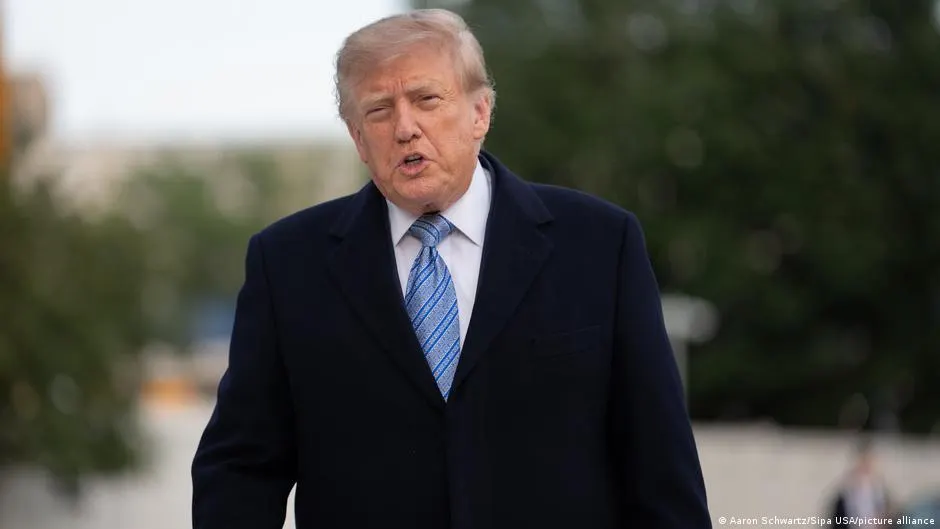
Trump confirmed the rejection directly, saying, "I reject their proposal. … I rejected their deal," and claimed Iran was pursuing a deal only because its economy was under severe pressure: "They want to make a deal to open the Hormuz Strait immediately because they’re losing so badly."4
He characterised the US position as strong, saying, "We’re winning tremendously," while adding he remained open to a different arrangement: "They want to make a deal and I think that’s fine, I like making a deal too."4
According to unnamed officials cited by the Wall Street Journal, Trump privately doubted Iran would satisfy his conditions and had informed aides that he anticipates launching another bombing campaign against Iran once the November US midterms have passed.534
A US official separately described ongoing mediated discussions with Iran as positive and constructive, and the White House said talks through intermediaries had been constructive, even as Washington maintained it controlled the strait and was in no rush to settle.53410
Iran's position
President Masoud Pezeshkian said Iran had already accepted that it should not develop nuclear weapons and signalled readiness for talks on the nuclear programme and other issues, but rejected any bullying, saying, "Iran is not seeking war, but will defend itself against pressure, threats and attacks."342
Araghchi briefed Saudi counterpart Prince Faisal bin Farhan on an Iran-Oman understanding concerning safe shipping routes through Hormuz, as Tehran sought to reassure regional states even as it held to its conditions.32
Iran's Revolutionary Guards seized a US submersible drone in the Strait of Hormuz, which Tehran said was being used for espionage; the vehicle was reportedly handed to specialists for data recovery, according to AFP.1
Wider regional tension
The Saudi-led coalition reported shooting down two ballistic missiles bound for Khamis Mushait and two drones targeting Riyadh, as fighting persisted elsewhere in Yemen.32
These intercepts came after foreign ministers from Saudi Arabia, Pakistan and Turkey met under the Mecca Joint Defense Agreement, reflecting wider regional security cooperation amid the ongoing Hormuz dispute.32
Uncertain outlook
AFP reported that Trump, in remarks to Axios, said he anticipates renewed negotiations with Iran within days despite turning down the truce plan, and that indirect US-Iran talks might begin as soon as Monday—claims that remain unverified by other sources.1
AFP further noted that Iranian representatives had raised the seven-day truce plan during the UN General Assembly session in New York, and that Trump had floated the possibility of resuming large-scale strikes on Iran—details not confirmed by any other source in this dossier.1
Why it matters
The Strait of Hormuz is a key chokepoint for global oil and gas shipments, and prolonged uncertainty over its status carries implications for energy markets.1
Videos
Related stories
follow-up
follow-up
Version history
- version 1 ·