World · Islamic Republic of Iran, United States of America
Iran Awaits US Clarification After Trump Rejects Truce Plan
Tehran presented a seven-day cease-fire and Hormuz-reopening proposal at the UN General Assembly; President Trump rejected it, and Iran says it is waiting for mediators to relay Washington's definitive position.
Listen to the story
Short version
Iran proposed a seven-day truce and Hormuz reopening at the UN; Trump rejected it, and Iran now awaits a US response via mediators.
- Iran's plan sought asset release, sanctions relief, end to naval blockade
- Trump rejected the offer, citing Iran's military losses
- IRGC seized a US drone in the Strait of Hormuz
- IAEA referred Iran to UN Security Council over inspections
- Talks may resume as early as Monday, Trump says
What's new
- Trump publicly rejected Iran's seven-day truce and Hormuz-reopening plan
- Iran says it is awaiting mediators' relay of a definitive US position
- IRGC seized a US submersible drone in the Strait of Hormuz
- IAEA referred Iran to the UN Security Council over inspections
Tehran says it remains waiting for intermediaries to pass along Washington's final stance, following President Donald Trump's public dismissal of a seven-day truce plan that Iran had unveiled during the UN General Assembly gathering in New York—an offer under which the Strait of Hormuz would reopen once American sanctions were lifted and Iranian assets unfrozen.4136
The proposal and the rejection
Iranian officials conveyed the seven-day plan to the United States through Qatar during meetings at the UN General Assembly. Under the plan, Iran demanded that its frozen assets be released, sanctions on its oil exports be dropped, and the US naval blockade be lifted, with the strait set to reopen after a week.1359
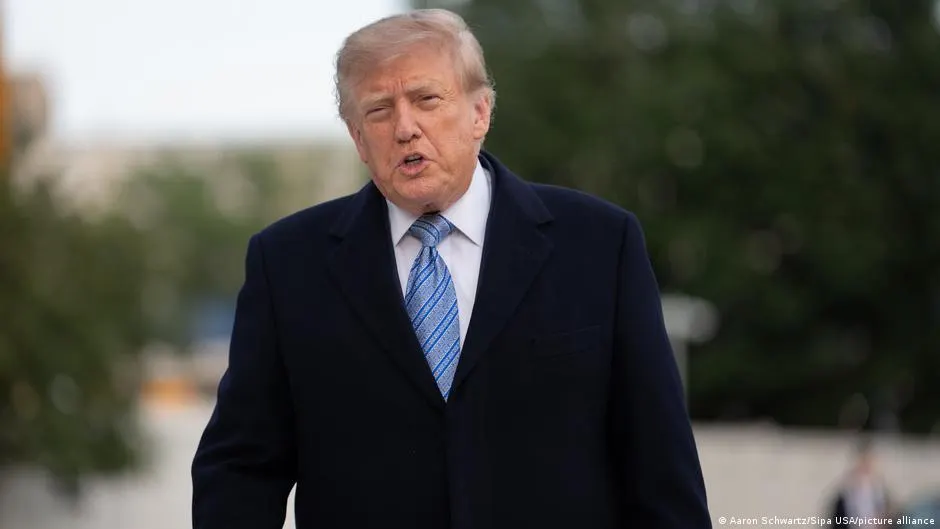
Speaking to reporters at the White House on Saturday, Trump rejected the offer. He said he had turned down Iran's proposal, telling reporters he refused their deal. According to Trump, Iran wants an agreement that would open the Strait right away simply because they are suffering heavy losses in the conflict.9638
Sharp exchanges
US UN ambassador Mike Waltz, in an NBC interview, said Iran's offer had come attached to a request for access to billions of dollars in frozen funds and for sanctions relief, calling it "a pretty cynical attempt to put something on the table that they knew was unacceptable." He added that the president lacked confidence following a previous negotiating attempt.752
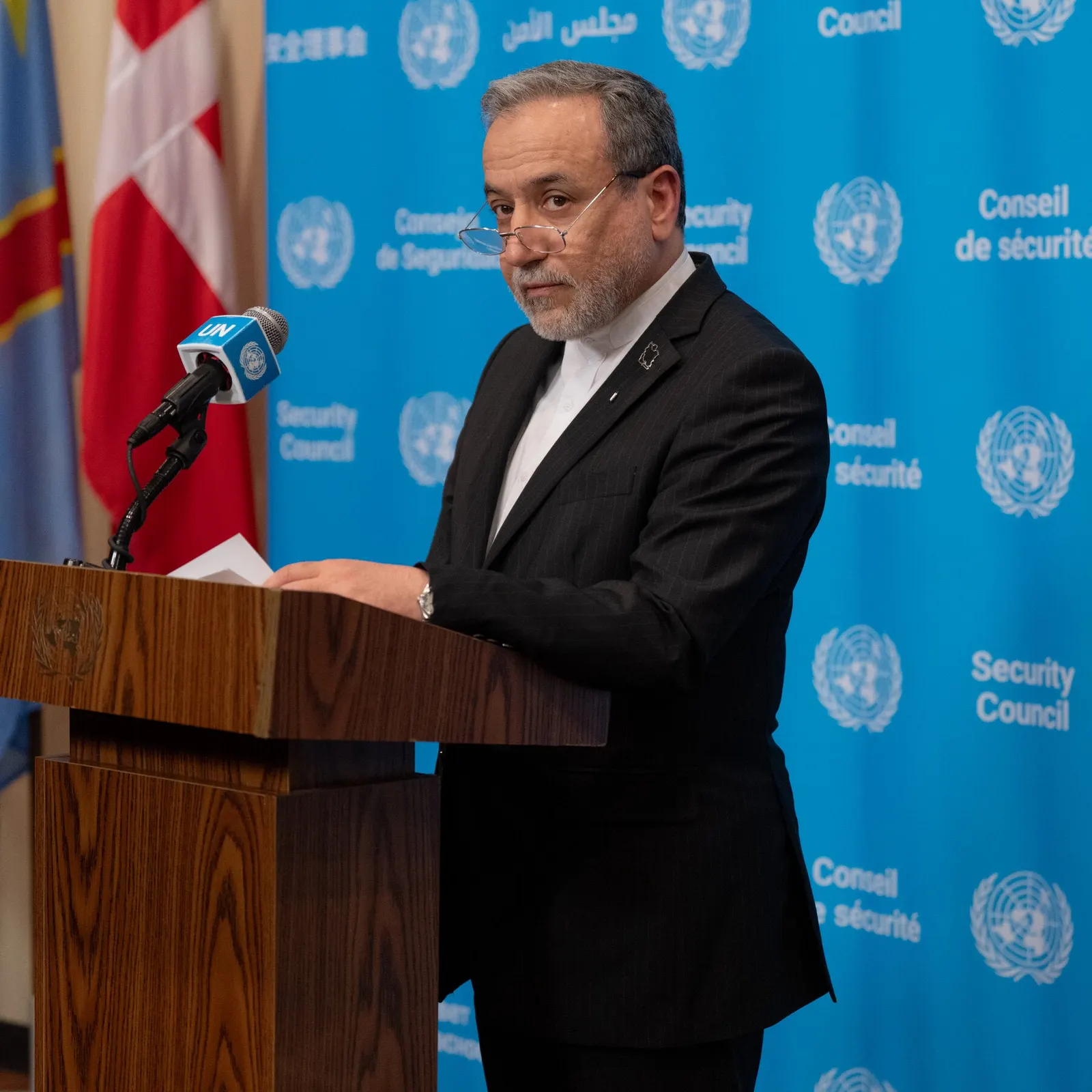
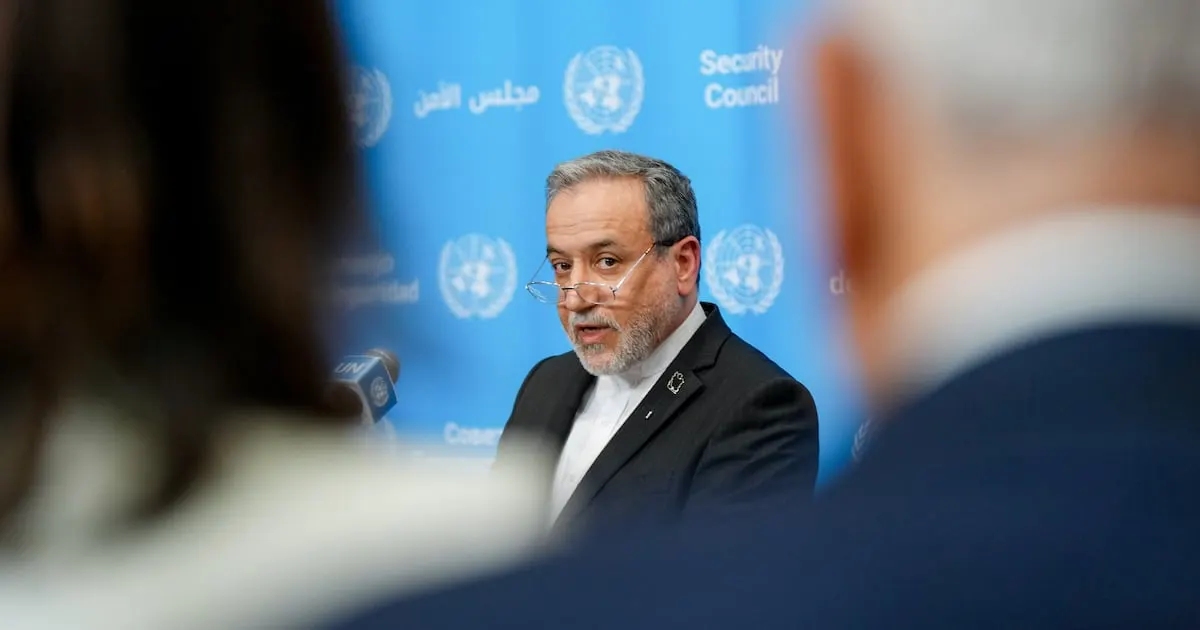
Foreign Minister Abbas Araghchi rejected that characterisation, saying Iran's demands reflected rights rather than new proposals and that the country was ready to negotiate but would not back down. "In any case, our conditions are clear, and any move forward to open the Strait of Hormuz is contingent on the fulfilment of these conditions, and we will not back down from them," he said.56
Background: a collapsed memorandum
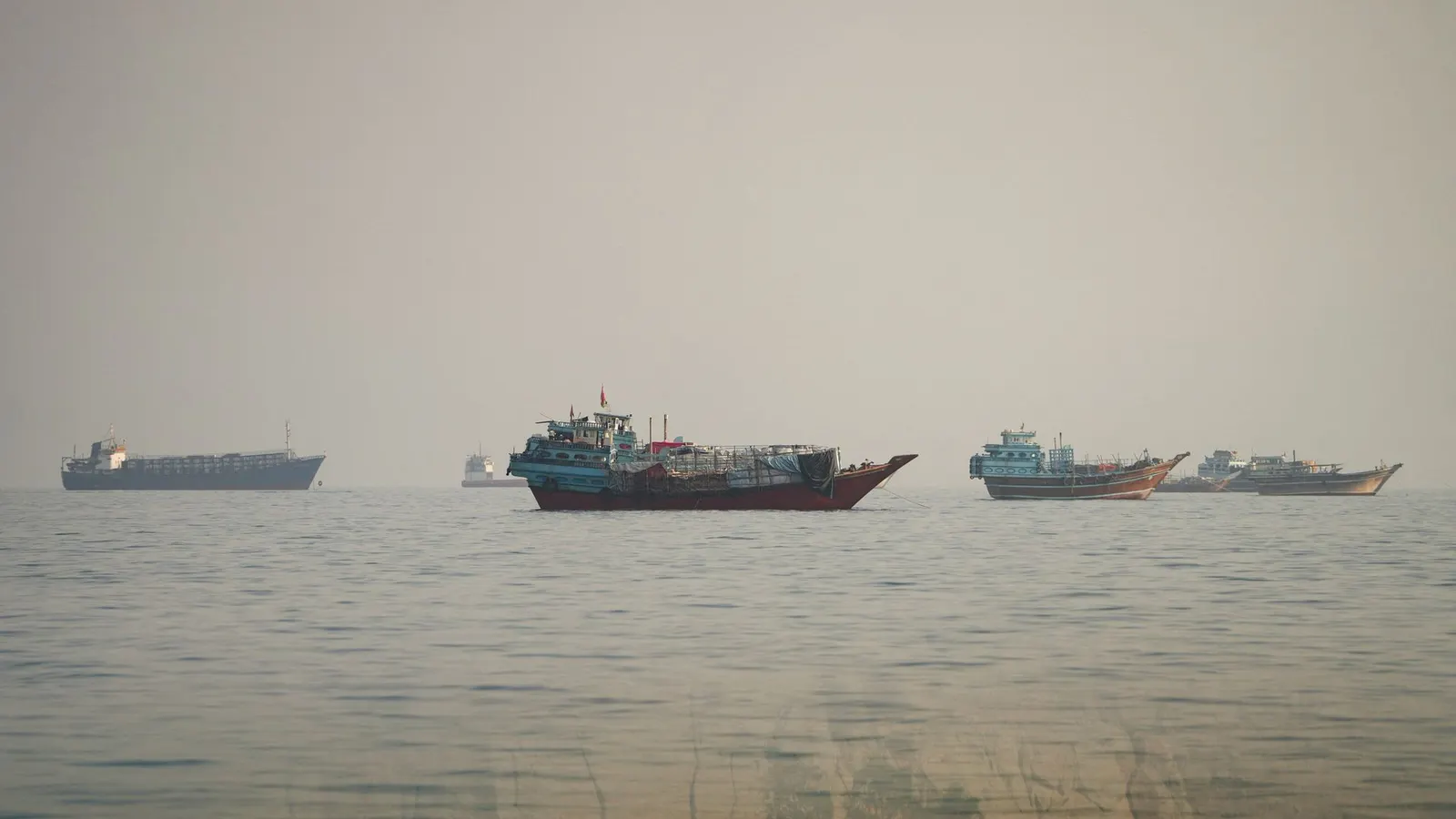
Iran closed the Strait of Hormuz in February after the United States and Israel launched war on the country. In June, the US and Iran reached a bilateral memorandum intended to halt the war and reopen the strait, though the arrangement collapsed soon after, with one account attributing the breakdown to Iranian attacks on commercial vessels. Since then Iran has required ships to obtain authorisation before passing through the strait, targeting vessels that refuse to comply, while the United States has sporadically bombed Iranian coastal areas in response.1
Attacks on vessels in the strait have sharply curtailed shipping through a waterway central to global oil, LNG and fertiliser supplies. Early Sunday the Persian Gulf Strait Authority warned ships of consequences for using what it called illegal routes, stating: "This risks financial and life losses for the vessel, owner, master and crew, and seriously restricts its future Strait of Hormuz passage."39
Escalation and nuclear track
Iran's Revolutionary Guards seized an American submersible drone in the Strait of Hormuz on Sunday, which Iranian officials said was being used for espionage, according to one report. Separately, the International Atomic Energy Agency referred Iran to the UN Security Council over nuclear inspections.17
According to the Wall Street Journal, cited by one outlet, Trump told aides he expects a renewed bombing campaign against Iran after the November US midterm elections.237
What comes next
Trump indicated to Axios that he anticipates negotiations with Iran restarting within the next week, with informal exchanges between the two governments potentially beginning as soon as Monday. Araghchi said Iran was still waiting: "We saw the first reaction from the US president, but so far, nothing has been conveyed to us by the mediators."19
Iran's proposal also called for a cessation of hostilities across the Middle East, including in Lebanon, with a Revolutionary Guards spokesman telling AFP that ending hostilities in Yemen was among Tehran's demands. President Masoud Pezeshkian, on returning from the General Assembly, told supporters at the airport: "We stand firm with strength, we are at the service of our people, we will stand until our last breath."16
Why it matters
The Strait of Hormuz is a crucial route for oil, LNG and fertiliser shipments, and continued disruption there affects global energy markets. A further breakdown in talks, or a resumption of US strikes on Iran after the midterms, would raise the risk of wider regional escalation.32
Videos
Related stories
same actors
follow-up
Version history
- version 1 ·