World · Islamic Republic of Iran, United States of America
Iran Rules Out Further US Talks Despite Trump's Hopes
Iranian state media said the country's UN delegation has no plans for renewed negotiations with Washington, a day after President Trump said he expected talks to resume, as the two sides remain divided over a proposed Hormuz ceasefire.
Iran says its UN delegation has no plans for further talks with the US, despite Trump's expectation that negotiations would resume, after Trump rejected Tehran's plan to reopen the Strait of Hormuz.
- Iran's UN delegation rules out further US talks
- Trump rejects Iran's seven-day Hormuz reopening plan
- Iran conveyed position to US via Qatari mediator
- US has not struck Iran since September 1
- Conflict traces to February US-Israeli strikes on Iran
What's new
- Iran's UN delegation says it has no plans for further talks with the US
- Trump rejected Tehran's seven-day plan to reopen the Strait of Hormuz
- Iran conveyed its position to Washington through a Qatari mediator
- Iranian delegation set to return to Tehran
Iran's state media reported on September 28 that the country's delegation at the United Nations in New York has no plans for further negotiations with the United States, after President Donald Trump had said he expected talks to resume soon.5147
Rejected proposal
According to Iran's Islamic Republic News Agency, Tehran had proposed reopening the Strait of Hormuz within seven days as part of a wider plan to end hostilities. Daily Sabah and This Is Beirut reported that Tehran laid out seven demands for ending hostilities, among them a week-long truce spanning the region, the release of frozen assets held abroad, the removal of sanctions on its oil industry, and an end to the US naval blockade.5174
Trump rejected the Iranian proposal, according to multiple reports citing Iran's state media and Reuters. Iran's delegation said its position had been conveyed to Washington through a Qatari mediator. "Iran's views and positions were conveyed clearly and explicitly to the US side via a Qatari mediator," the Islamic Republic News Agency said.4287
IRNA also reported that the delegation would return to Tehran on Tuesday. A high-ranking Iranian source told the agency that Tehran was now waiting for a US response and was not open to new items being added to the agenda.23
Diverging signals
Speaking to Axios on September 27, Trump indicated he believed negotiations with Iran would restart shortly, a view repeated across multiple outlets. Iranian Foreign Minister Abbas Araghchi said Tehran was prepared for either outcome. According to CBS News, in a single-source account, Araghchi said Iran was fully ready for the war to resume and would stand firm against any new aggression, even one that escalated into a doomsday conflict, while also indicating a willingness to pursue diplomacy. with the ultimate decision, he said, resting with President Trump, according to CBS News, which reported this as a single-source account.1
Trump said of Iran, "They want to make a deal, but it is not the deal that I want to make," and added, "They are losing so badly," according to CBS News, in claims not corroborated elsewhere in the dossier.1
Citing a single source, The Jerusalem Post reported that US officials were negotiating with Iranian mediators and that Trump had vowed victory, saying the outcome would go America's way regardless of the path taken. It's going to go pretty quickly." The same report said Trump predicted gas prices would fall once the US prevailed and that a trade deal with Canada would be reached.6
Background to the conflict
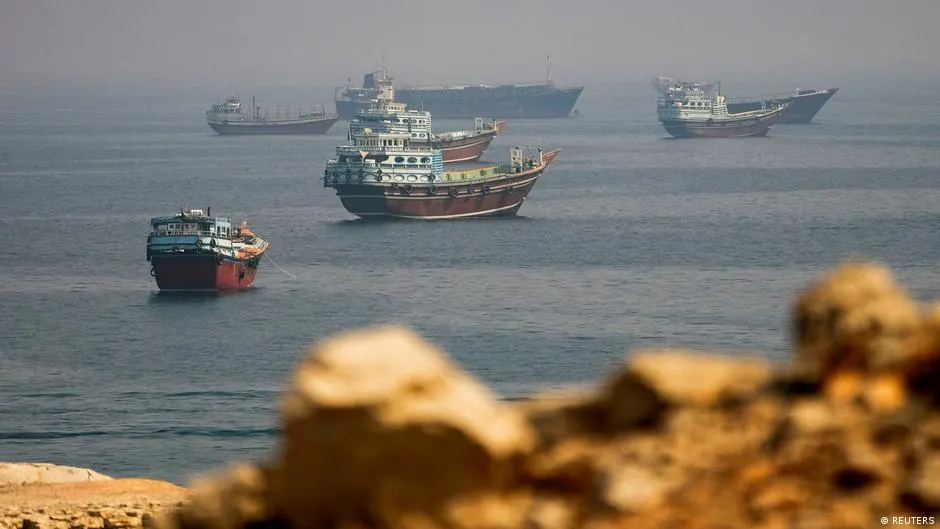
The conflict traces back to US-Israeli strikes on Iran in February, according to Daily Sabah and This Is Beirut. Iran responded by imposing a chokehold on the Strait of Hormuz, and Washington answered with a blockade of Iranian ports. Daily Sabah reported that while Washington has refrained from striking Iran since September 1, ships have continued to come under frequent attack in the strait.24
Citing a single source, CBS News said the conflict had persisted for seven months and that Iranian officials had designated any base involved in strikes on Iranian soil as a valid military target. The same report described the arrest of five men near RAF Fairford, a British base used by US bombers, on suspicion of preparing a terrorist act involving three trucks; The Jerusalem Post said five suspects were arrested and later released on bail over an alleged bombing plot at the same base.16
Why it matters
The Strait of Hormuz is a critical corridor for oil and gas shipments, and disruption there affects energy prices felt across Europe. The reported use of a British air base in the conflict also draws the United Kingdom directly into the dispute's security dimension.21
Videos
Related stories
same actors
same actors
same actors
Version history
- version 1 ·