World · Islamic Republic of Iran, United States of America
Iran Says It Is Ready for 'Doomsday War' With US
Foreign Minister Abbas Araghchi said Tehran remains open to diplomacy even as he warned Iran would face any renewed conflict, including what he termed an apocalyptic war, after Washington rejected a plan to reopen the Strait of Hormuz.
Listen to the story
Short version
Iran's foreign minister said Tehran is ready for war, even a 'doomsday' conflict, while leaving the door open to diplomacy, after Trump reportedly rejected a plan to reopen the Strait of Hormuz.
- Araghchi: Iran ready for war, even 'doomsday war', but wants diplomacy
- Iran offered seven-day plan to reopen Strait of Hormuz via Qatar
- Trump rejected the proposal, according to Araghchi
- US and Iran to hold indirect talks on September 28
- Iranian commanders warn of forceful response to new aggression
What's new
- Araghchi told NBC and other outlets Iran is prepared for war to resume but wants diplomacy
- Iran says it offered a seven-day plan to reopen the Strait of Hormuz via Qatar
- Trump reportedly rejected the Hormuz proposal, according to Araghchi
- Indirect US-Iran talks with Qatari mediation are set for September 28
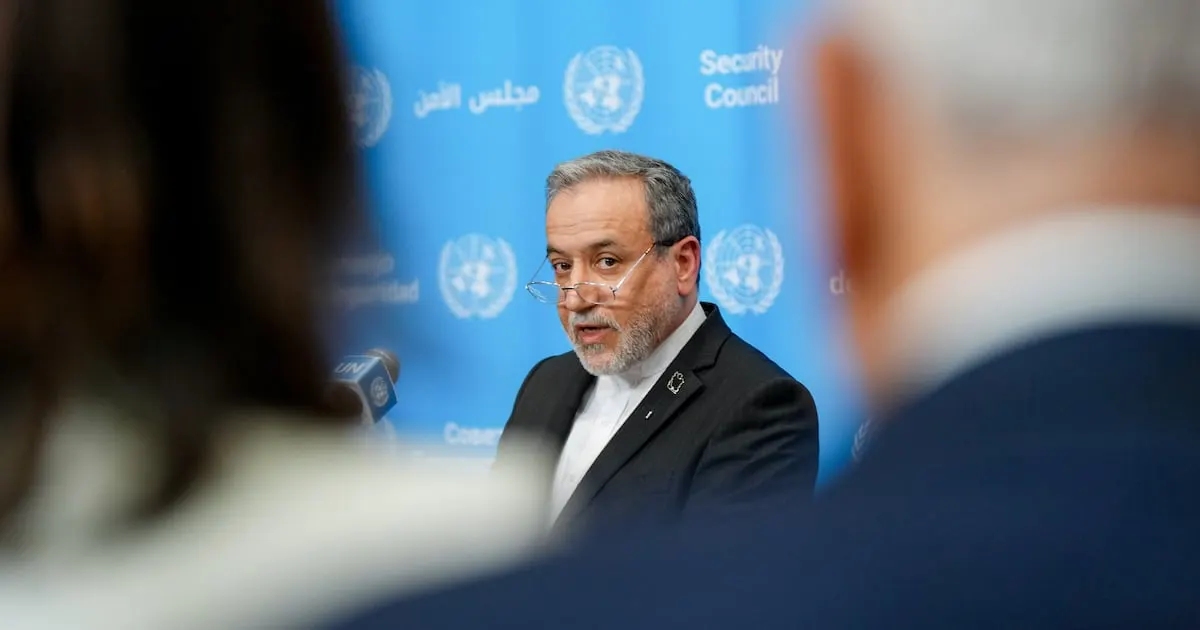
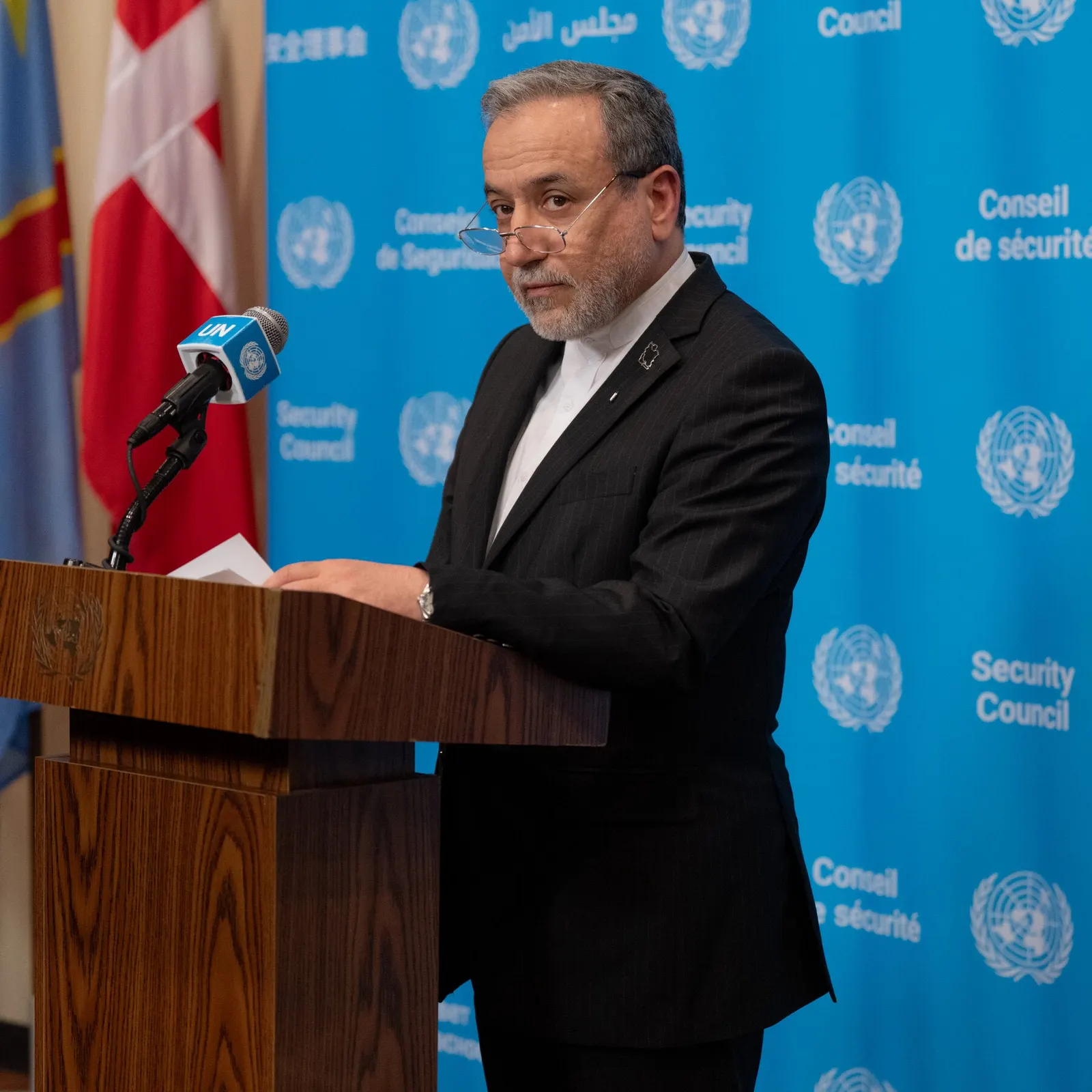
Iranian Foreign Minister Abbas Araghchi said Tehran is fully prepared for war to resume, including what he called a 'doomsday war', but insisted diplomacy remains possible, in a series of interviews broadcast on September 27.134
A proposal on the Strait of Hormuz
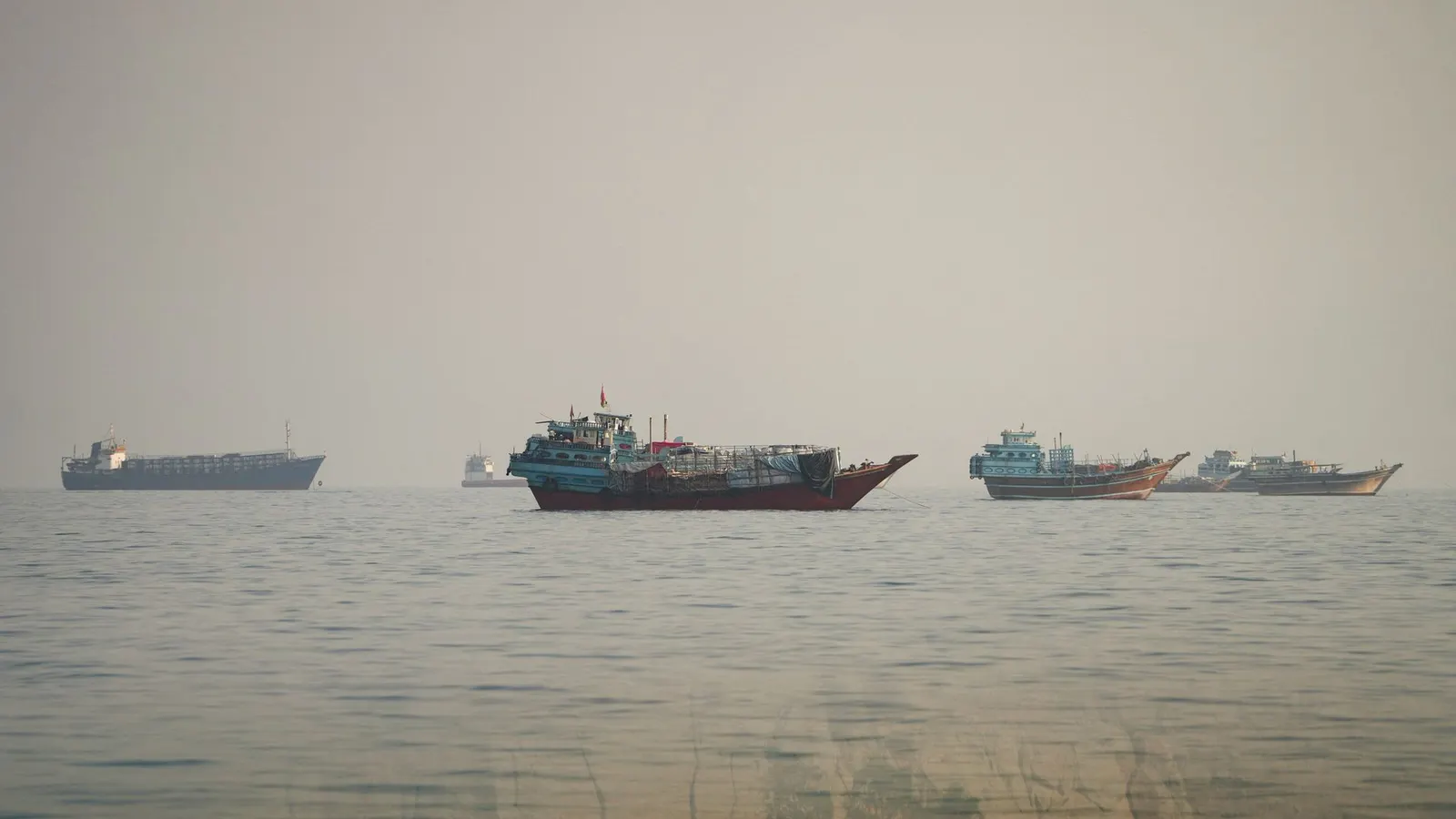
Araghchi said Iran had put forward a seven-day plan, conveyed through Qatari mediators, under which the Strait of Hormuz would be reopened if certain conditions were met by Washington.13
He said Iran was seeking the release of its frozen funds and the ability to sell its oil, arguing these were not new demands but rights the United States had already committed to in earlier understandings. He said Tehran wants its unlawfully frozen holdings unlocked and wants to be free to market its crude oil again.32
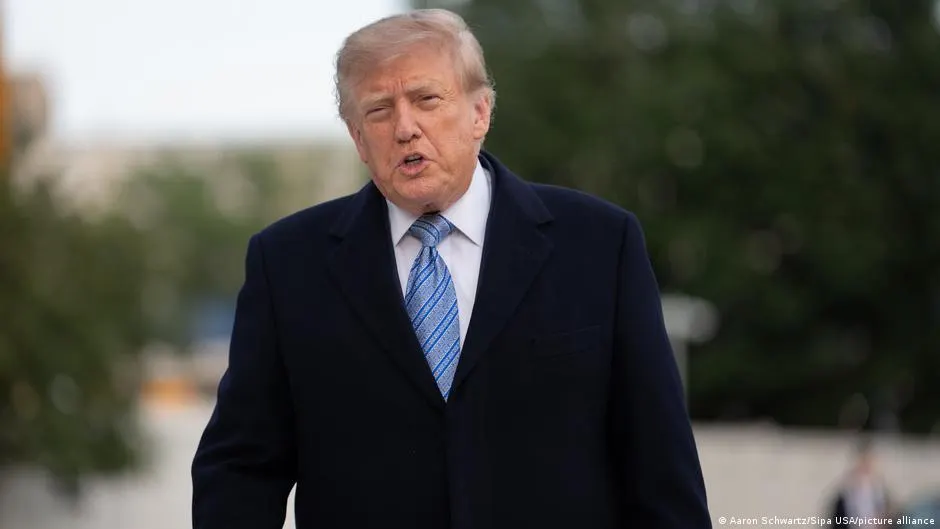
According to Araghchi's NBC interview, President Trump rejected the proposal, and Trump was quoted as saying Iran wanted the strait open immediately because it was losing badly; at the time of the interview the rejection had not been officially communicated to Tehran through mediators.1
Waltz, the US ambassador to the United Nations, said the deal was turned down for several reasons, including concern over releasing billions of dollars in frozen funds, and said Trump does not believe Iran is negotiating in good faith. Araghchi responded by saying, "I'm surprised that the ambassador is talking about our seven-day plan as if he hasn't read it, maybe he hasn't been given a copy."12
Disputed accounts of past talks
Araghchi said Iran had accepted US negotiations in 2025 and entered talks, only to be attacked in the middle of the process. "In 2025, they offered negotiations. We accepted and entered talks," he said, adding that Washington struck Iran while the negotiations were still underway. The National reported Iran's account of three months of talks that Washington breached after two weeks, and said US and Israeli strikes on Iran began at the end of February; this version of events is disputed.32
Waltz countered that a memorandum of understanding collapsed after Iran attacked international shipping, a violation he said 146 countries had condemned. "Once we got to the MoU, the Iranians immediately violated it by attacking international shipping in violation of international law, and 146 nations have joined us in condemning Iran for those attacks," he said.21
Military warnings
Senior Iranian military figures issued warnings during the same period that renewed US aggression would meet a forceful response. Armed Forces spokesman Abolfazl Shekarchi said the country had hidden countermeasures ready for any adversary and vowed that Iran would answer any future act of hostility using newly developed weaponry.3
Senior adviser Yahya Rahim Safavi described the Strait of Hormuz as "a weapon more dangerous than a nuclear weapon," while army commander Amir Hatami said, "The war is not over yet," adding that Iran's soldiers must remain ready to strike devastating blows against any enemy.3
Path toward more talks
Araghchi said Iran's enrichment of uranium to 60 percent was for peaceful purposes and consistent with the Non-Proliferation Treaty, and said Tehran had deferred nuclear issues in order to focus first on building confidence with Washington through the seven-day plan.4
He rejected suggestions of divisions within Iran's leadership, saying decisions are made by national consensus, and said the country's supreme leader remains in good health and continues to guide senior officials.4
The United States and Iran are set to hold another round of indirect talks on September 28, with Qatari mediators continuing shuttle diplomacy between the two sides. Trump has said he expects negotiators to hold further talks with Iran in the days ahead.42
Why it matters
The Strait of Hormuz is a critical route for global oil shipments, and any disruption or renewed conflict there could affect energy prices and supply chains reaching Europe. The dispute over the reopening proposal shows how close diplomacy and renewed war remain intertwined in the standoff.12
Videos
Related stories
follow-up
Version history
- version 1 ·