World · United States of America, Islamic Republic of Iran
Trump Predicts Iran War Will End 'Very Soon', Iran Calls It Failure
US President Donald Trump repeated over three days that the war with Iran is close to ending, as Tehran's Revolutionary Guard dismissed the claim and the rial hit a record low.
Listen to the story
Short version
Trump says the US-Iran war will end 'very soon' while Iranian officials call his campaign a failure and say he is trapped.
- Trump predicted war's end and falling oil prices on Sept 28-30
- IRGC letter urges Americans to oppose Trump before midterms
- Iran's rial hit a record low of 2.5 million per dollar
- Iran offered to reopen Strait of Hormuz in 7 days; Trump refused
- US withdrew from Iraq after 23 years under 2024 deal
What's new
- Trump said on Sept 28-30 that the war will end 'very soon' and oil prices will then fall
- IRGC accused Trump of lying and urged Americans to oppose him before the midterms
- Iran's rial fell to a record 2.5 million per dollar
- Iran proposed opening the Strait of Hormuz within seven days; Trump rejected the offer
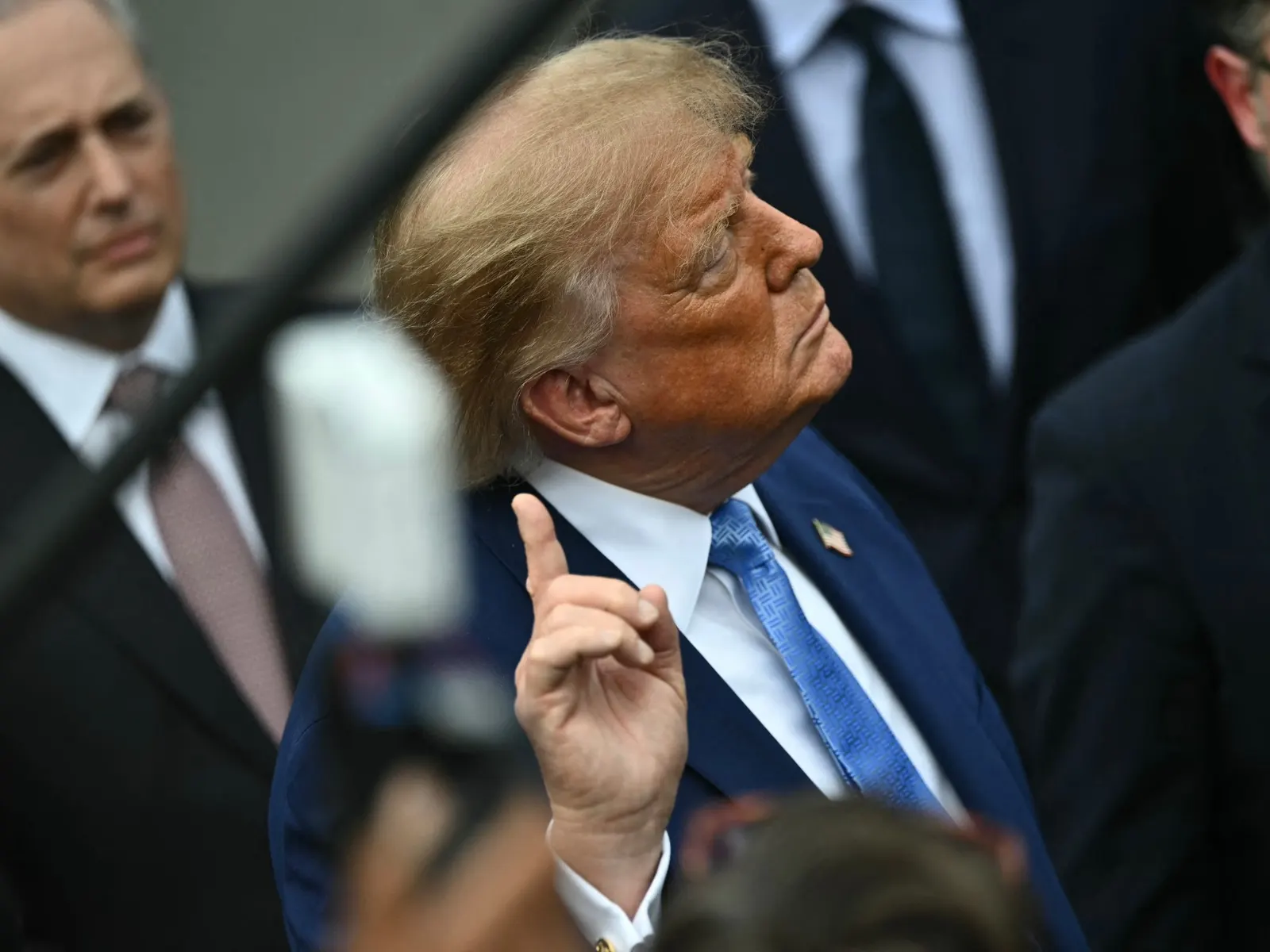
US President Donald Trump said the war between the United States and Iran will end "very soon," repeating the prediction on September 28 and again in remarks reported through September 30, while Iranian officials, including the Revolutionary Guard and the head of the Supreme National Security Council, said Washington's campaign had failed and that Trump was trapped.7345
Trump's prediction
Trump said on September 28 that fuel prices would fall sharply once the war ends with a US victory, telling reporters, "We're going to win. It's going to go pretty quickly." He added that reopening the Strait of Hormuz would boost oil flows, though Iran remained unwilling to ease its terms for doing so, and he turned down Tehran's proposal to reopen the waterway.73
On September 29 Trump declared that Iran would never possess a nuclear weapon. And they're failing very badly. Very badly. That will be over with very soon." TASS reported he called the war one of the most important events in history and said oil prices would tumble once it ends. Al Jazeera noted Trump gave no details on how or when the conflict would conclude.145
Iran's response
IRGC spokesperson Hossein Mohebbi said Trump had been "a big liar" during what Iran calls Operation Epic Fury, according to Fox News. The IRGC issued a 25-page letter urging Americans to oppose Trump ahead of the November 3 midterm elections, blaming him and US support for Israel for the conflict and accusing him of giving Americans false information regarding Iran's nuclear efforts. The letter stated, "The US economy is on the precipice of collapse, and yet he keeps on telling Americans that the economy is booming."1
Gulf News reported the Revolutionary Guard called Trump's Middle East campaign a failure and urged Americans to protest, warning it would "introduce new weapons if it faces another confrontation." Mohsen Rezaei, who leads Iran's Supreme National Security Council, said, "Trump is trapped in a quagmire where he can neither negotiate nor fight," and, according to Middle East Eye, Trump had resorted to an air blockade out of desperation. Iran's parliamentary security chief Ebrahim Azizi said Iran had no intention of leaving the region and that Israel's time was running out, according to the Independent.362
Economic pressure
Iran's rial dropped to an unprecedented low exceeding 2.5 million per US dollar on Tuesday, surpassing a previous low of 2.2 million set 27 days earlier, Fox News reported. Secretary of State Marco Rubio said Iran was heading toward economic cataclysm. Brent crude rose to $103.73 a barrel, on course for a 14 percent monthly gain, after Trump said he had offered Tehran "nothing" in peace talks, according to the Independent; Gulf News separately reported oil prices fell 2.5 percent on September 30 amid signs of a recovery in Middle East crude exports.123
The US Treasury sanctioned ten individuals and entities accused of helping Iran procure weapons. Treasury Secretary Scott Bessent said, "Treasury will not tolerate any support to the regime and will continue to identify, expose, and isolate Iran's enablers." The Strait of Hormuz, which carried roughly one-fifth of globally traded oil and gas before the war, saw Gulf producers move 13.1 million barrels per day last week using US Navy-backed workarounds. Iran's foreign minister, Abbas Araghchi, proposed opening the strait within seven days if the US met its conditions, an offer Trump rejected.2137
Regional fallout
US forces withdrew from Iraq after 23 years, under a withdrawal agreed in 2024 by then-president Joe Biden, the Independent reported. Iraq obtained a special exemption permitting Iraqi Airways to resume flights to Iran, and the US Treasury issued the carrier a one-month waiver. The Independent also reported that the US likely committed war crimes in strikes on an Iranian school and sports centre, and said at least 221 children had been killed in Tehran's crackdown on anti-regime protesters.2
Qatar's prime minister, Sheikh Mohammed bin Abdulrahman Al Thani, said the White House gave only minutes to half an hour of warning before the war began, telling reporters he received a call "from the US administration ... from the White House," Fox News reported. Pakistan's defense minister, Khawaja Muhammad Asif, vowed to protect Saudi Arabia from Iran-backed Houthi attacks "by whatever means are available." Egyptian President Abdel Fattah El-Sisi affirmed support for Gulf states' security and said he was working to de-escalate regional tensions, according to Gulf News.13
Videos
Related stories
same actors
same actors
same actors
Version history
- version 1 ·