World · Islamic Republic of Iran, United States of America
Iranian President Says US Must Choose Whether to End War
Masoud Pezeshkian told Fox News and the United Nations that Washington, not Tehran, holds the choice to end the six-month conflict, as Russia pushed a diplomatic settlement and Trump raised the threat of further destruction.
Iran's president said the US must decide whether to end their war, as diplomatic efforts and threats continued on multiple fronts.
- Pezeshkian: US must choose whether war ends, not Iran
- June US-Iran memorandum of understanding collapsed within two weeks
- Trump threatens to "annihilate" Iran but hints deal may come soon
- Russia and Iran foreign ministers back diplomatic settlement
- Houthis blockade Saudi Arabia after missile interception
What's new
- Pezeshkian tells Fox News the US must decide whether the war ends
- Iranian president addresses UN General Assembly in New York
- Russian and Iranian foreign ministers meet on UNGA sidelines
- Trump says deal could come soon but threatens to "annihilate" Iran
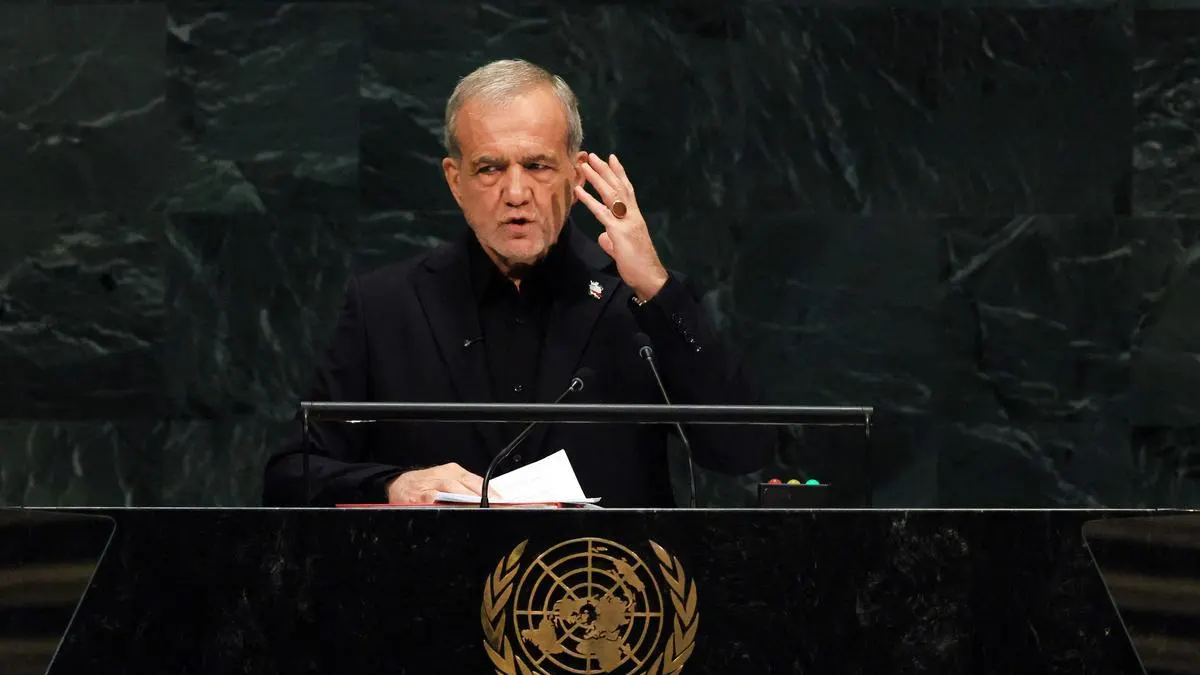
In a Fox News interview that aired September 24, Iranian President Masoud Pezeshkian said the power to bring the two nations' conflict to a close rests with Washington, a point he echoed later at the United Nations General Assembly in New York.7364
Pezeshkian's message to Washington
Speaking with Fox News host Bret Baier, Pezeshkian said Tehran had not sought out the fighting, telling him it had been forced on Iran rather than chosen. We do not seek war." He added that Iran would answer any continued attacks: "We never started a war. He added that if the other side wanted the fighting to continue, Iran would answer with a forceful and firm response."4
He framed the decision to end hostilities as resting with Washington. "When we can resolve issues through dialog, we shouldn't resort to killing one another," he said, adding, "But we do not wish to continue. He said the decision on ending the standoff belongs solely to Washington."63
A collapsed agreement
Pezeshkian referred to a memorandum of understanding he signed with the Trump administration in June, intended to halt fighting on several fronts including Lebanon, which subsequently fell apart, according to the interview accounts. "Why is it that within two weeks after the signing of an agreement, they chose to blow it up?" he asked.468
He said Iran remained open to a renewed deal, noting that a pact had already been struck with the sitting U.S. president. having put that pact into writing, Iran remained ready to build on it, and he would welcome a new arrangement with the current U.S. leadership so long as it stayed within accepted international law."46
Nuclear program dispute
Iran does not possess nuclear weapons, according to the interview accounts, and Pezeshkian denied Tehran wants them, saying Iran is willing to dilute uranium enrichment and allow verification. He pointed to a religious edict he credited to Iran's late supreme leader, who he said had repeatedly declared such arms forbidden under religious law. It is illegal."148
According to TASS, Western intelligence agencies and the New York Times found no evidence of Iranian weapons development, and Tehran is ready to formally state it will not build nuclear arms, a commitment Trump said would be put on paper, adding that a deal would follow "the midterm elections to the US Congress in November."5
Trump's position
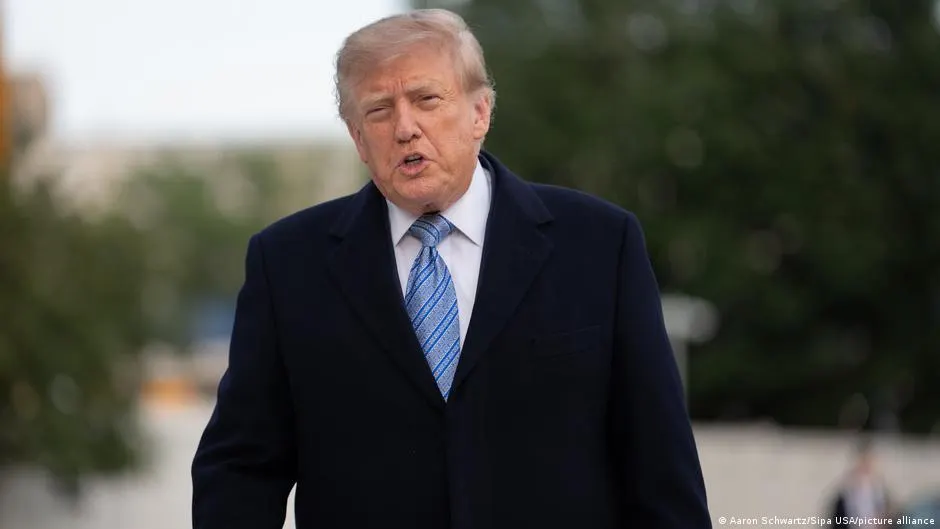
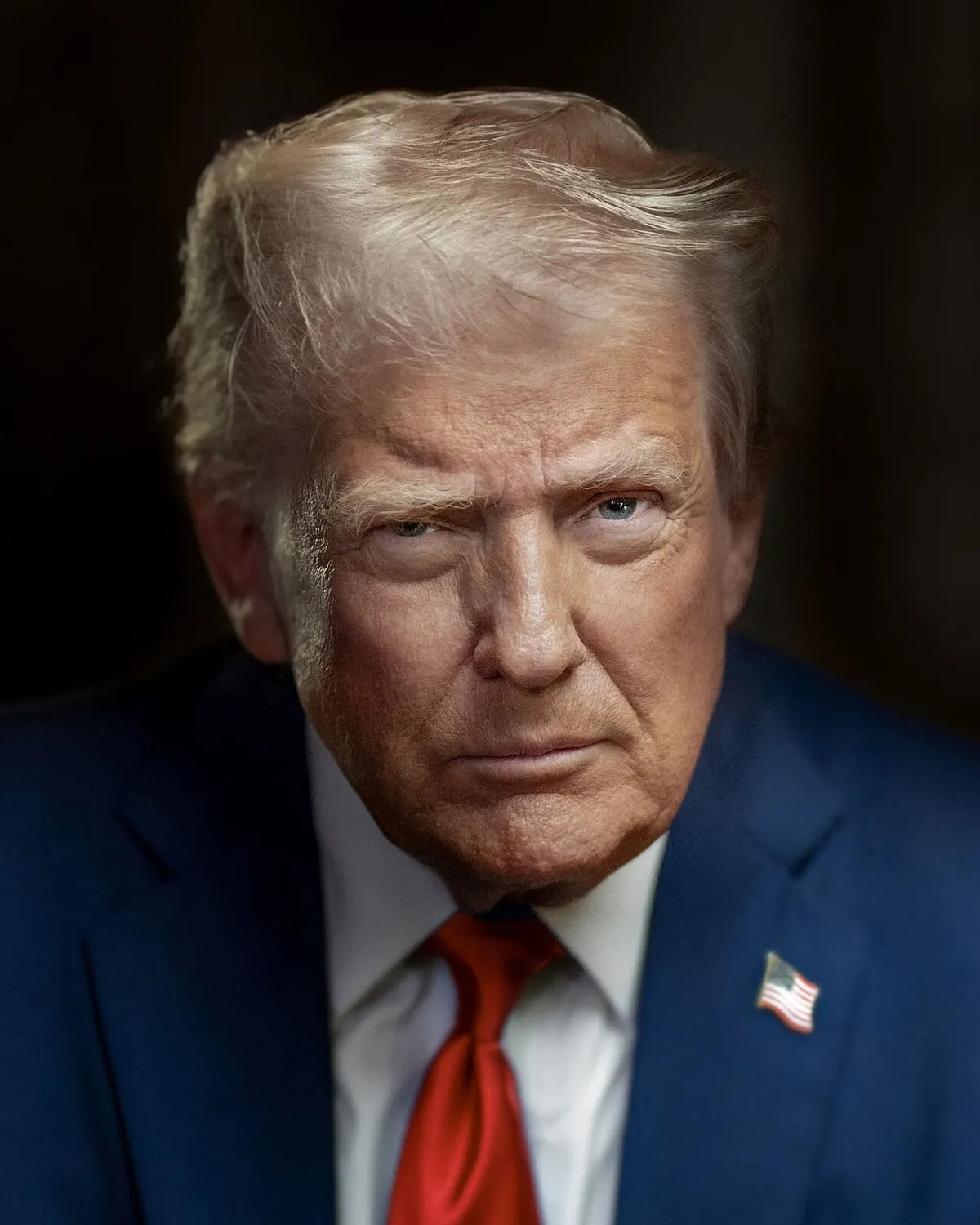
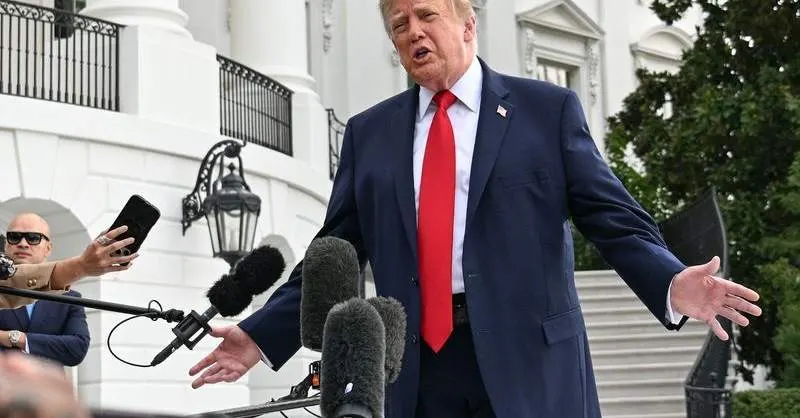
Trump said he could "annihilate Iran if no deal is reached" while also suggesting an agreement could come soon. TASS reported separately that the US views itself as militarily victorious and expects oil prices to fall sharply once the war ends, and that Washington has accused Iran of violating terms tied to the Strait of Hormuz, though the dossier's own figure for the share of global oil trade passing through the strait is disputed.75
Russia's diplomatic push
According to Rappler, Russian Foreign Minister Sergei Lavrov held talks with his Iranian counterpart Abbas Araqchi during the UN General Assembly gathering, where the pair agreed that diplomacy is the sole path to easing regional tensions. Russia's Foreign Ministry said "there is no alternative to a diplomatic settlement of the crisis provoked by the illegal actions of the United States and Israel."3
Pezeshkian thanked President Vladimir Putin for Moscow's position and said Russia and Iran can resist US unilateralism, a reference to a 2025 strategic cooperation partnership between the two countries that includes no mutual defense clause but involves exchanges of military know-how and equipment.3
Houthi blockade and regional spillover
Asked about the Yemen-based Houthi movement, commonly characterized as an Iranian proxy, Pezeshkian said Tehran does not control the group, stating that the Houthis alone bear responsibility for what they do. They don't take directions from us," and "We have contacts with them. There is no systematic relationship." Saudi Arabia intercepted Houthi ballistic missiles, and the group imposed a naval blockade on Saudi Arabia, according to Free Malaysia Today.2
Why it matters
A prolonged Iran-US conflict, and disputes over shipping through the Strait of Hormuz, carry consequences for global oil markets. Russia's diplomatic engagement with Iran also signals a widening alignment that could shape wider Middle East security arrangements.53
Videos
Related stories
background
follow-up
same actors
Version history
- version 1 ·