Business · United States of America
Trump Weighs Diesel Export Curbs as US Prices Hit Record
President Trump is considering limits on overseas diesel sales to ease record domestic fuel costs, but energy officials say a blanket export ban is unlikely, even as Europe faces surging prices tied to the debate.
Trump is considering limits on US diesel exports to cut record domestic fuel prices, but officials say a full ban is unlikely, while Europe watches nervously.
- US diesel hit a record $6.53 a gallon this week
- White House told refiners there will be no blanket export ban
- Energy Secretary Wright says only limited flow adjustments considered
- European diesel premium to crude hit a record high
- US supplies over half of Europe's diesel, UK minister voices concern
What's new
- US diesel retail prices hit a record $6.53 a gallon this week
- White House privately assured refiners there will be no blanket export ban, Senator Cruz says
- Energy Secretary Wright says only limited 'tweaks' to export flows are being considered
- European diesel premium to Brent crude reached a record high amid the uncertainty
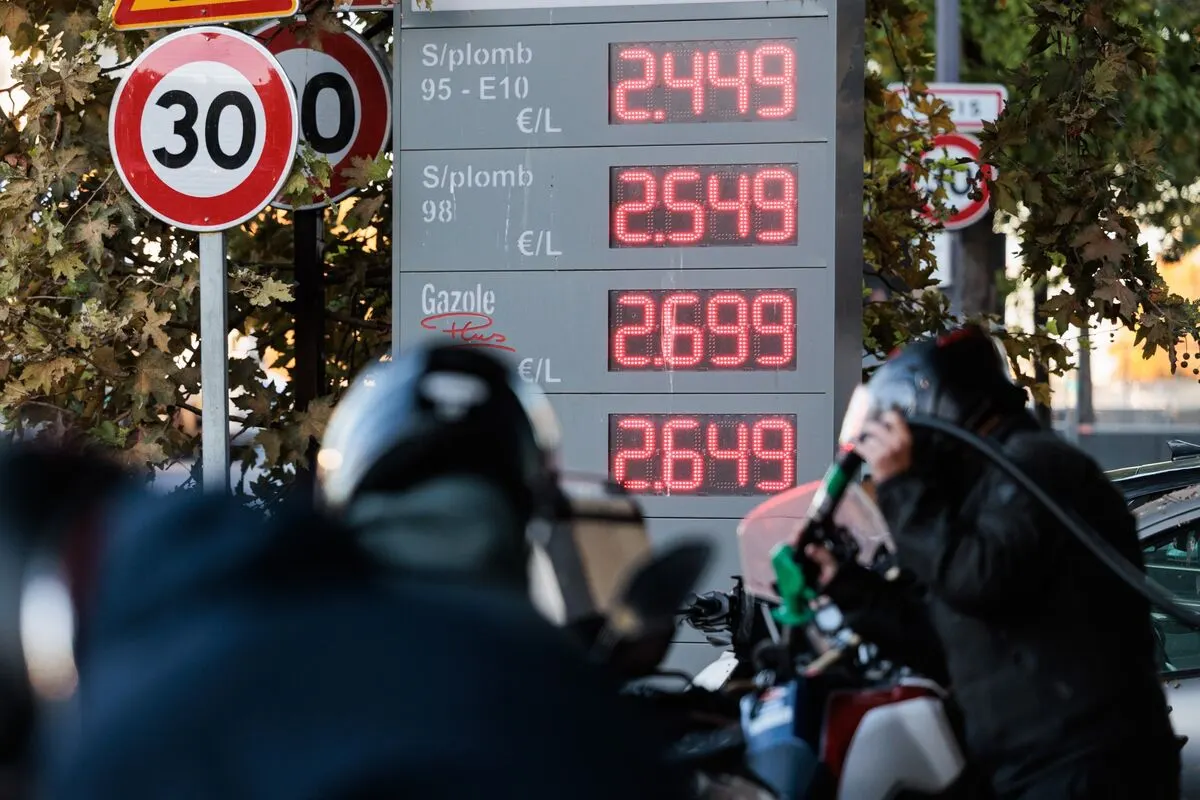
President Trump is weighing restrictions on US diesel exports intended to bring down domestic fuel prices, after retail diesel hit a record $6.53 a gallon this week, even as senior administration officials sent conflicting signals over whether an outright export ban is actually being planned.167
Record prices, political pressure
Diesel cost $6.52 a gallon on average nationwide on Wednesday, nearly $3 more than the same time last year, while gasoline reached $4.47 a gallon, according to data cited by CNBC. Separately, diesel prices were reported to have touched a historic $6.53 a gallon earlier in the week, up from $3.69 a gallon a year earlier.167
Trump told reporters he has previously argued that diesel should stay in the country rather than be shipped abroad. noting that the US produces plenty of it, and said he has been pressing that point internally with his staff. I've been talking about it." Treasury Secretary Scott Bessent said the White House was examining whether an export ban is feasible, and a White House official told CNBC that Trump wants to see gas prices fall and is evaluating all options. Iowa Senator Chuck Grassley, representing a state with a large farming sector, urged the administration to cut off diesel exports as a way of supporting agricultural producers.1
Industry and expert warnings
The oil industry has warned that restricting exports would backfire. American Petroleum Institute chief executive Mike Sommers said restricting US energy exports would "only compound the problem—exacerbating refining challenges and ultimately hurting consumers," adding that "the answer is more supply and more flexibility—not new restrictions that risk making a difficult situation worse." A former Trump energy secretary also warned that a ban would push prices higher overall, since gasoline and diesel are produced from the same crude oil and restricting exports would compound the run-up in prices.14
Bob McNally, president of Rapidan Energy and a former energy adviser to President George W. Bush, said an export ban would briefly push prices down on the Gulf Coast and lower Midwest before prices rose again to levels higher than they would otherwise have been, with global prices soaring. He said, "I don't know of an oil economist or expert or analyst who actually understands oil who thinks it's a good idea," and "I think there's widespread opposition, even in the administration," describing the push as "full-blown panic" driven by a tough election and rising diesel prices. GasBuddy's Patrick De Haan said gasoline prices could rise toward record levels under a ban, and an oil industry executive told CNBC a ban could add 30 cents per gallon to fuel costs. Stock prices for refining firms Valero, Marathon Petroleum and Phillips 66 declined after reports surfaced suggesting officials might pursue a 90-day export ban.1
White House assurances
Energy Secretary Chris Wright dismissed reports that Trump was preparing an outright ban, telling the Wall Street Journal the administration is considering restrictions rather than a full stop to exports, and telling the Daily Caller that "if you start putting barriers on flows, pretty quickly you will reduce the production, and you'll have less supply." He said, "We're trying to avoid a blunt hammer of a government policy, understanding the complexity of refining."12
According to Bloomberg, Senator Ted Cruz informed refining industry executives that the administration does not plan to enact a full export prohibition. Wright himself indicated that diesel exports would continue overall, though there could be some changes in how diesel is routed from US refineries, and suggested that adjustments to diesel policy were likely. I think so. He added that a full ban was unlikely to happen. Reports also suggest officials may consider expanding the use of red diesel, a tax-exempt fuel typically restricted to off-road purposes, though this detail comes from only one source.36
European exposure
The policy debate has already moved European markets. Bloomberg reported that the price gap between European diesel and Brent crude widened to its highest level since tracking began in 2011, following Trump's remarks. Politico Europe reported that European officials voiced concern over a possible US export ban, noting that America accounts for over half of Europe's diesel supply and that restricting it could seriously disrupt the continent's fuel access.35
Paris Match Belgique reported that fuel price surges have also been linked to the Middle East war, and that industry groups wrote to Trump urging him to reject calls to restrict diesel and other petroleum product exports, arguing such a move would cause lower fuel production, tighter supplies and higher costs for American households, farmers and truckers. The letter said, "Nous vous pressons de rejeter les appels à interdire ou à limiter les exportations de diesel et d'autres produits pétroliers," and warned it "provoquerait une production inférieure de carburant, des approvisionnements plus tendus et une hausse des coûts pour les foyers américains, les agriculteurs et les chauffeurs routiers." The same report noted American refineries operate at full capacity and produce more diesel than domestic demand requires, enabling exports to Latin America and Europe.7
Global market context
The debate unfolds against a backdrop of tightened global diesel supply. Following Ukrainian strikes on its refineries, Russia stopped exporting diesel, cutting off what CNBC identified as the world's second-largest diesel supplier; a US ban would instead eliminate the top global supplier. There is also concern, according to CNBC, that Europe could respond to a US diesel export ban by restricting gasoline exports to the United States.1
Why it matters
European nations rely on the United States for more than half of their diesel supply, and the mere prospect of restrictions has already pushed European diesel prices to a record premium over crude. European officials have voiced concern over a potential ban, underscoring how closely European fuel markets are tied to US export policy.35
Videos
Related stories
same actors

same actors
same actors

Version history
- version 1 ·