Business · United States of America, Islamic Republic of Iran
Oil Prices Spike After Trump Rejects Iran Truce Proposal
Brent crude jumped more than 3% after President Trump called Iran's seven-day truce offer unacceptable, reversing a Friday rally and unsettling global markets.
Trump rejected Iran's seven-day truce proposal from the UN General Assembly, and oil prices jumped as a result, though Trump said talks could still resume soon.
- Trump called Iran's truce proposal unacceptable
- Brent crude rose more than 3% to above $107 a barrel
- Iran's plan tied sanctions relief to reopening the Strait of Hormuz
- Trump expects negotiations to resume, possibly Monday
- Global markets showed mixed reactions to the news
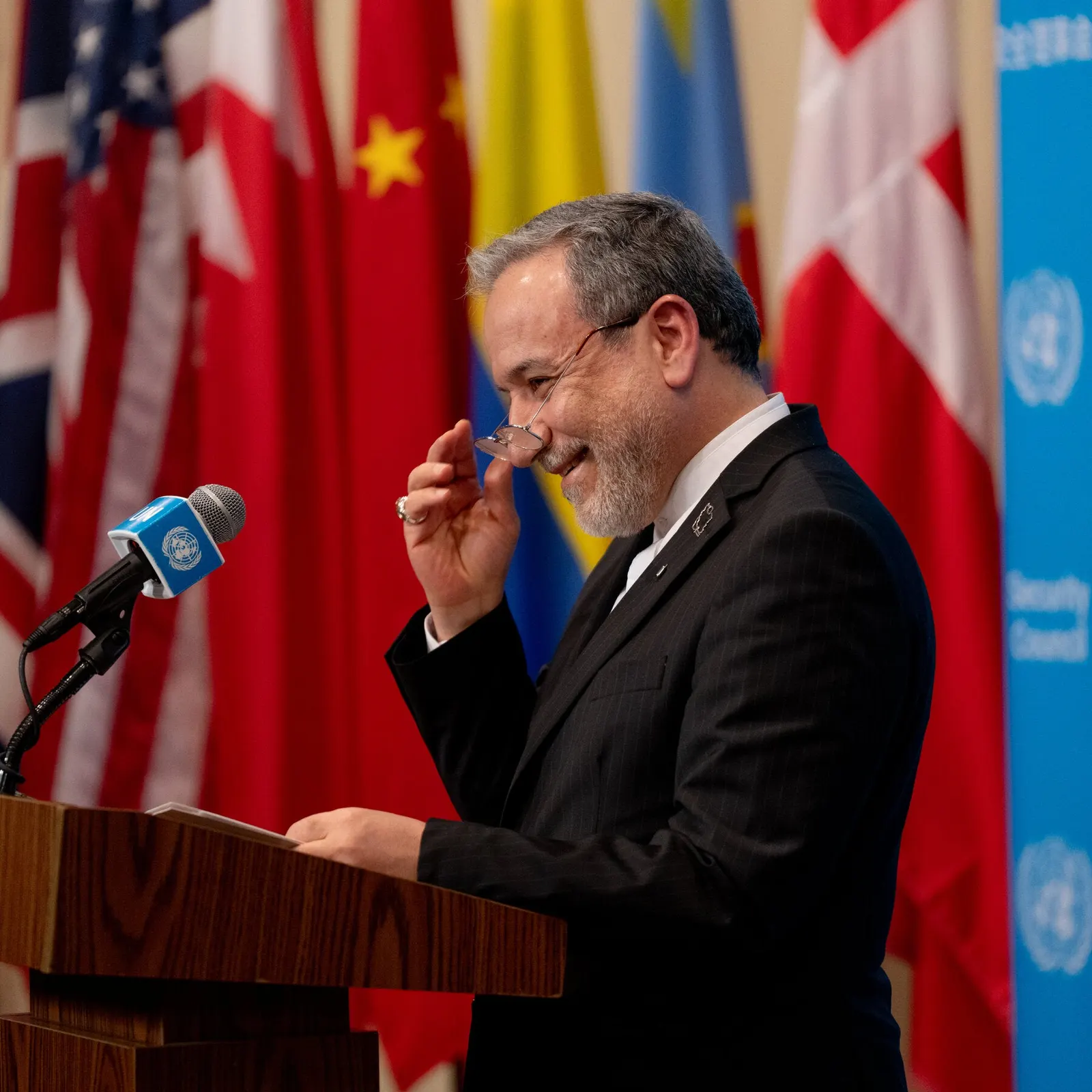
What's new
- Trump rejected Iran's seven-day truce proposal, calling it unacceptable
- Brent crude rose more than 3%, reversing Friday's more than 2% decline
- Trump indicated to Axios that he anticipates talks picking back up, potentially by Monday
- Global stock and bond markets showed mixed reactions to the impasse
President Donald Trump rejected a seven-day truce proposal from Iran on Saturday, sending oil prices sharply higher as markets reopened on Monday after Iran had presented the plan at the United Nations General Assembly last week.126
Trump's rejection
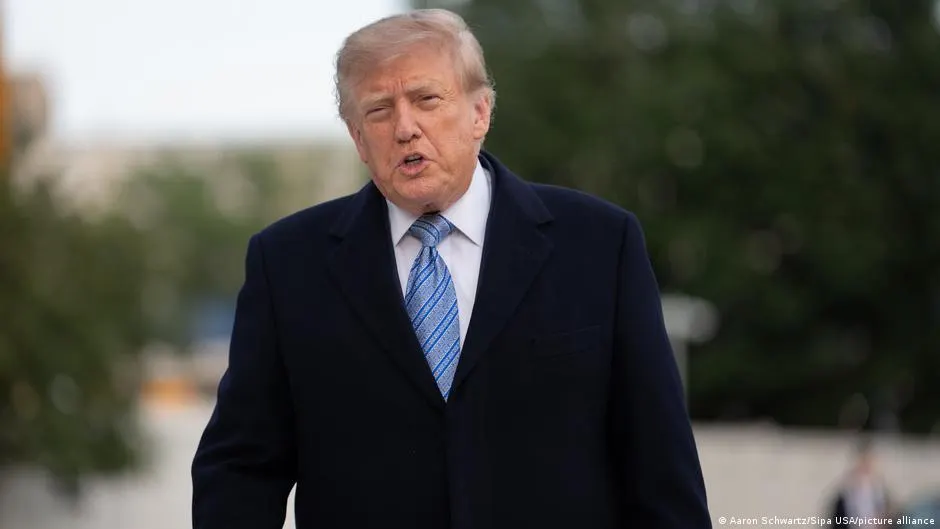
Trump said Tehran's latest proposal for ending the war between the United States, Israel and Iran was not acceptable. He characterized the offer as inadequate for what the US currently wants, remarking, "They want to make a deal, but it is not the deal that I want to make..." That's roughly the terms we might have accepted twelve months back."271
Trump also said, "I reject their proposal," and accused Tehran of misjudging the negotiations, adding, "They overplayed their hand."1
Even after turning down the offer, Trump indicated to Axios that he anticipates talks continuing, with indirect discussions between the US and Iran potentially beginning Monday.1645
Iran indicated it had yet to receive a clear update from Washington regarding where negotiations stood.3
Iran's proposal
Iran unveiled its week-long ceasefire framework during last week's session of the UN General Assembly. The plan called for Washington to unfreeze Iranian assets, remove oil-related sanctions and lift its naval blockade on Iran's ports, in return for Tehran reopening the Strait of Hormuz and resuming talks within seven days.2
Iran's conditions for reopening the strait also included an end to the US naval blockade, according to reports citing the proposal.1645
Market reaction
Oil prices had fallen more than 2% on Friday after news of the truce offer first emerged, but they reversed course once Trump's rejection became known. Brent crude climbed more than 3%, trading above $107 a barrel, while US West Texas Intermediate gained nearly 2%, trading above $94 a barrel.186
Reactions across Asian equity markets were mixed. The S&P 500 had added 0.5% on Friday, breaking a three-day losing streak, while South Korea's Kospi fell 2.7% as it reopened after a long break. Japan's Nikkei 225 fell 0.73% and Australia's S&P/ASX 200 edged up 0.17%.126
Gold prices fell more than 2%, trading at $4,220 an ounce, while the 10-year US Treasury yield rose, briefly moving above 5.21%.1
Stephen Innes, an analyst at Quintex Intel, said, "Middle East tensions have flared again after Trump rejected Iran's latest proposal to reopen the Strait of Hormuz," adding that "the brief Friday reprieve in global fixed income looks more like an intermission than the end of the show."6
Innes said markets were still pricing in the possibility of a return to talks, noting, "The market is still pricing some probability that everyone eventually finds their way back to the table, even if they continue to spend the next few weeks shouting across it first."64
The strait and wider tensions
The Strait of Hormuz serves as a vital artery for global energy shipments, connecting the Gulf region with the Gulf of Oman and the Arabian Sea. Al Jazeera reported that about 20% of the world's oil moved through the passage prior to the late-February attacks, and ship movement has since picked up—132 crossings were logged from September 21 to 27, an increase from 116 the week before, versus roughly 130 daily transits before the conflict began.12
Al Jazeera reported that Iran or groups aligned with it have been held responsible for assaults on ships in the Gulf. In a related development, Houthi fighters have taken control of the full length of Yemen's Red Sea coastline, including the Bab al-Mandab Strait, heightening tensions in the region.245
The US Federal Reserve has a policy meeting scheduled for the end of October, a factor markets are also weighing amid the broader uncertainty.6
Why it matters
A prolonged standoff over the Strait of Hormuz threatens to keep global oil prices elevated. Continued disruption to shipping through the strait, which handles a substantial share of global crude supplies, could also affect broader financial markets, including bonds and equities.12
Videos
Related stories
same event
background

Version history
- version 1 ·