Business · United Kingdom
UK Diesel Prices Hit Record High Amid Middle East Conflict
National average diesel prices in the United Kingdom broke through £2 per litre by late September 2026, as rising Middle East conflict pushed global oil prices upward and Channel Islands forecourts recorded their own historic highs.
UK diesel prices hit a record national average of 199.53p per litre by 30 September 2026, driven largely by Middle East conflict pushing up global oil prices, with Guernsey also recording historic highs.
- National average diesel price reached 199.53p per litre on 30 September
- Over 2,200 UK forecourts charged £2 or more for diesel
- Middle East conflict cited as key driver of rising oil prices
- Guernsey diesel hit a record 194.5p per litre in mid-September
- RAC confirmed UK diesel prices passed £2 per litre
What's new
- National average diesel price reached 199.53p per litre on 30 September, according to London Business News
- More than 2,200 UK forecourts were charging £2 or more for diesel
- RAC confirmed diesel prices in the UK have passed £2 per litre
- Guernsey recorded diesel at up to 194.5p per litre, its highest ever
Diesel prices in the United Kingdom reached record levels by 30 September 2026, with the national average hitting 199.53p per litre and more than 2,200 forecourts charging £2 or more, according to London Business News, while the RAC confirmed that diesel prices nationally had passed the £2 threshold for the first time.32
Record prices across the UK
London Business News reported the national average diesel price climbed to 199.53p per litre on 30 September, a day after a previous record of 199.18p per litre was surpassed. TASS separately reported the average diesel cost reached 1.9918 pounds per litre, exceeding a previous record set in June 2022 at 1.9909 pounds per litre.34
According to London Business News, drivers in Na h-Eileanan an Iar faced the highest average price, at 211.9p per litre, while Watford had the lowest, at 191.2p per litre. At today's average rate, topping up a 55-litre tank runs about £110, meaning someone who drives 9,200 miles annually would spend close to £1,970 on diesel over the year.3
London Business News and TASS both linked the rise to oil prices climbing sharply amid conflict involving the United States, Israel and Iran. The ECIU said the conflict in the Middle East was pushing global oil and gas prices upwards, and that Donald Trump was reportedly considering restrictions on US diesel exports.342
Guernsey feels the squeeze
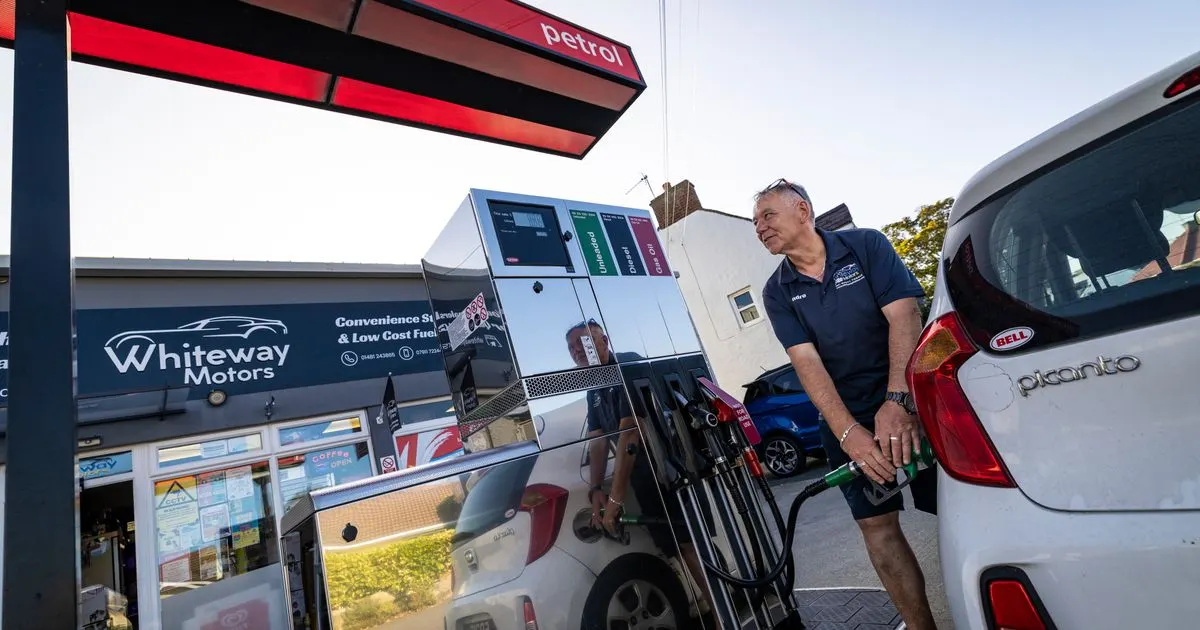
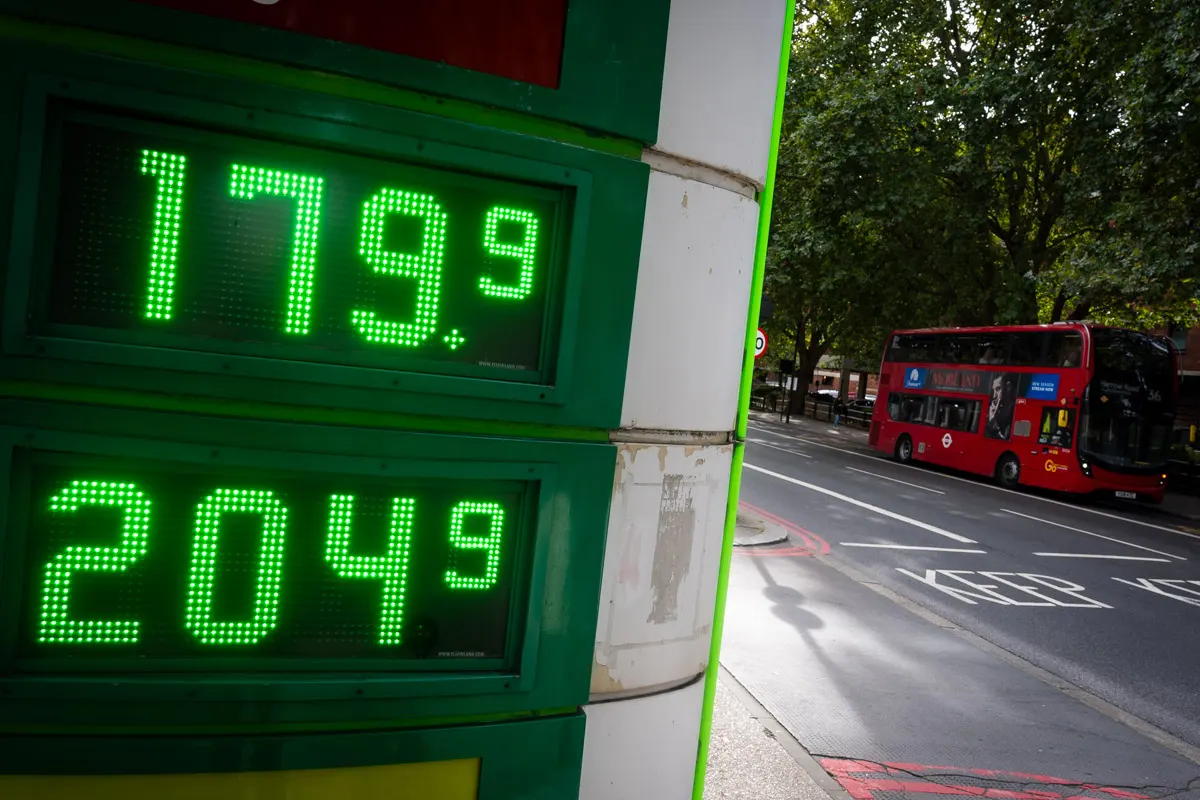
In Guernsey, the Guernsey Press reported diesel reaching a record high of up to 194.5p per litre by 16 September, after WhiteWay Motors raised its price from 186p following a new shipment, while unleaded rose from 172.9p to 178p. Le Mont Saint Garage was selling diesel at 193.9p and unleaded at 179.9p per litre at the same time.5
Le Mont Saint Garage's chairman, Dave Beausire, remarked: "We've now seen 42p put on the wholesale price of diesel and 30p on unleaded in 12 months." He went on to say, "Maybe it's time that we don't just milk the same cow year on year," pointing out that his per-litre margin had stayed flat even as prices neared the £2 mark.5
Guernsey's fuel duty is set at 90.5p per litre, and the island's 2026 tax reform package includes plans to reduce fuel duty while reintroducing motor tax. Mike Lucas, manager of Vale Garage, said, "I think the States need to look at fuel duty, otherwise it's going to have a knock-on effect for everyone."56
Nick Crolla said, "We have seen global fuel market prices increase by nearly 30% since the end of August," adding, "While these factors are outside our control, we are doing everything possible to keep prices as low as possible."6
The BBC reported that more electric vehicles are now operating on Guernsey, though many companies and residents still rely on petrol and diesel vehicles. The Guernsey Voluntary Service, whose meals-on-wheels and social club services depend on volunteers and their vehicles, said it would continue as normal. Its service manager, Mandy Le Bachelet, said, "It's not ideal, but it's important that our priority is our clients and nothing is going to stop us delivering those services," adding that the organisation would "absorb the cost and continue how we operate."16
Pressure across the economy
The ECIU said households are being hit by both higher fuel costs and rising energy bills, and that UK domestic oil production has been falling for years. It said motorist prices are determined by international markets, meaning additional North Sea drilling would not change what drivers pay at the pump.2
The ECIU said switching to an electric vehicle can save drivers more than £1,000 a year, and warned that weakening EV sales targets would reduce competition between manufacturers and limit affordable electric vehicles reaching the market. Jess Ralston said, "Britain's exposure to oil and gas leaves households at the mercy of events overseas."2
According to London Business News, the haulage sector is feeling the strain from costlier diesel, and a sustained rise in oil prices could push the nationwide average well past £2 a litre.3
Why it matters
Record diesel prices show how dependent UK and Channel Islands households remain on global oil markets during periods of Middle East conflict. The ECIU said this exposure leaves consumers vulnerable to events overseas, with implications for household budgets, haulage costs and the pace of the shift to electric vehicles across Europe.2
Videos
Related stories
same event
consequence

background

Version history
- version 1 ·