World · United Kingdom, Israel
Britain retains reduced East Jerusalem mission after consulate closure
Most British diplomats are to leave Israel after it ordered the East Jerusalem consulate to close. Seven diplomats will remain in the building, renamed the UK Mission, Jerusalem.
Israel’s closure order has ended British consular operations in East Jerusalem, but a seven-person UK mission will remain in the building.
- The consulate building becomes the UK Mission, Jerusalem.
- Twenty diplomats, including the consul general, will leave.
- Seven diplomats remain with restricted activities.
- Israel cited UK settlement-related sanctions.
- Britain is withholding reciprocal measures during talks.
What's new
- The consulate building will operate as the UK Mission, Jerusalem.
- Twenty diplomats, including the consul general, are to leave Israel.
- Seven diplomats may remain with a limited remit.
- The UK will not take reciprocal action while discussions continue.
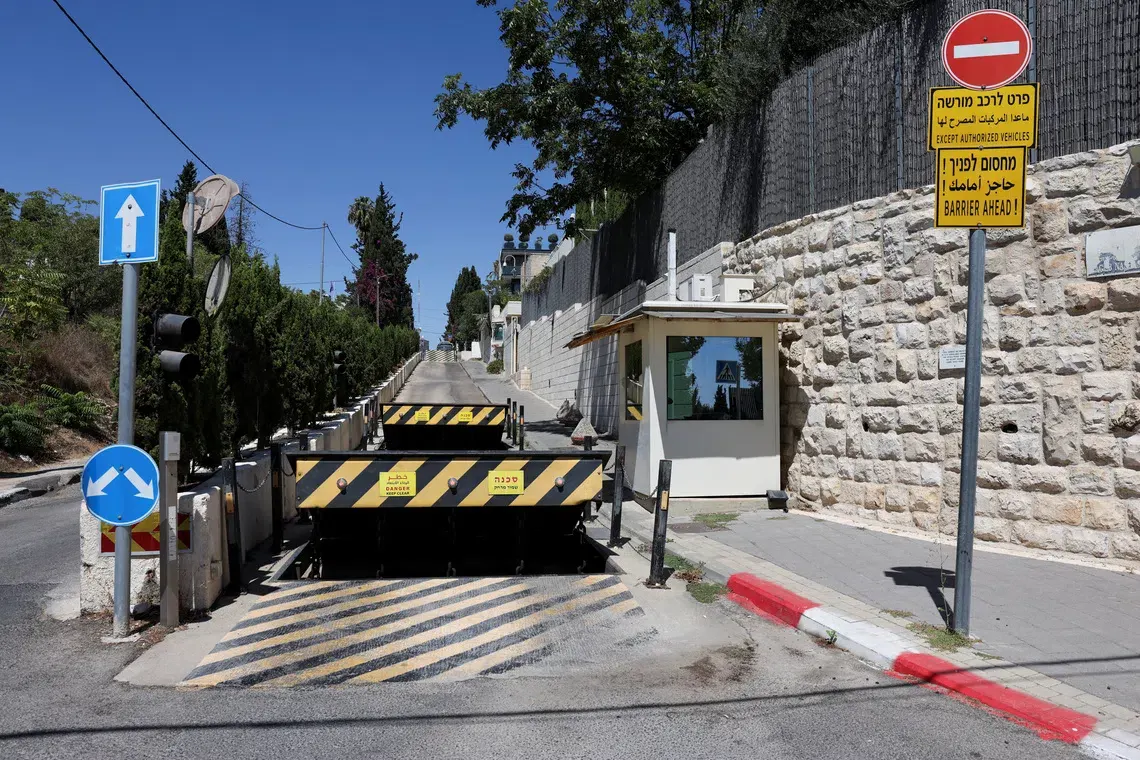
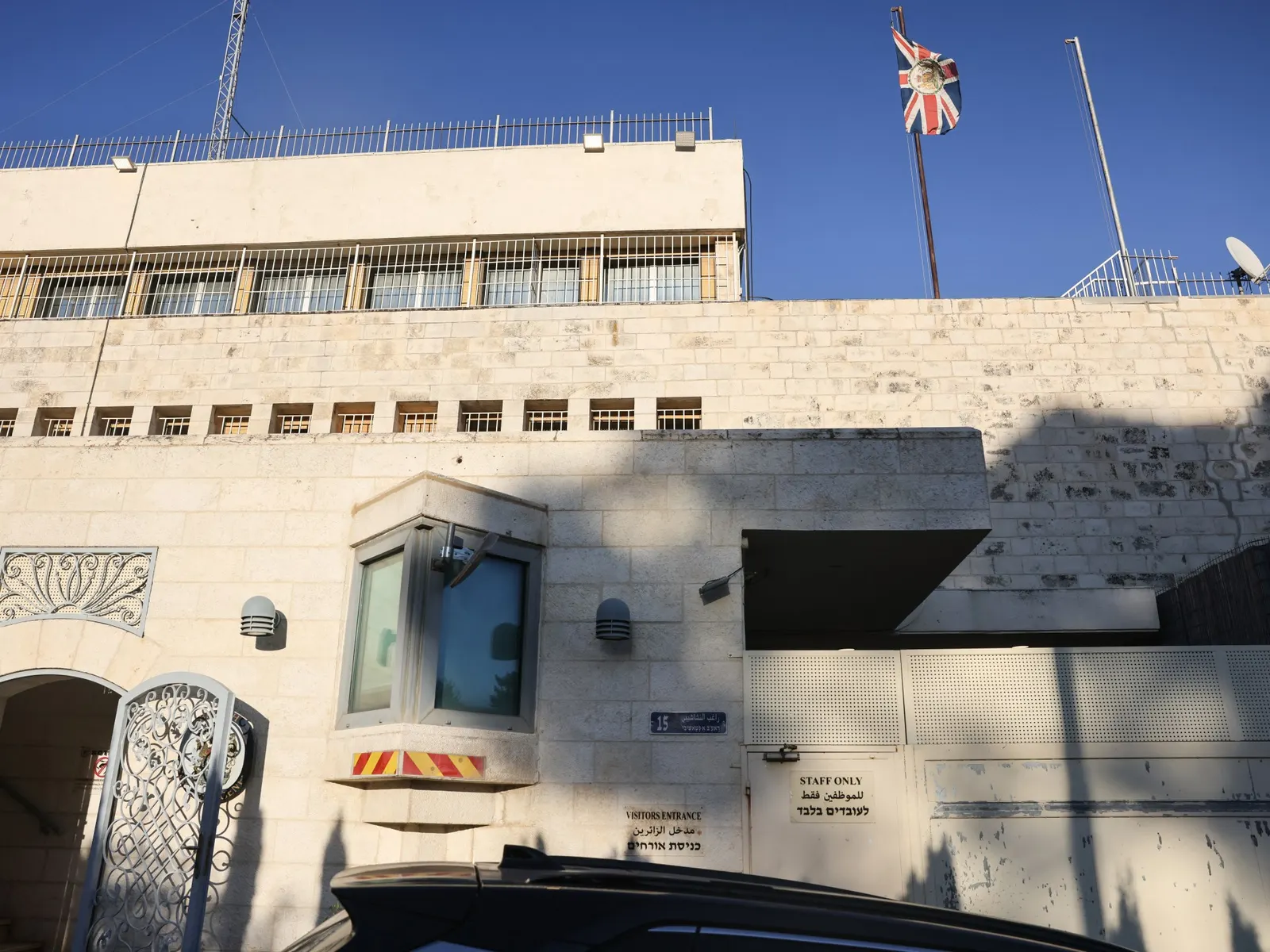
Britain will retain a reduced presence at its former consulate building in East Jerusalem after Israel ordered the consulate to close, with seven UK diplomats remaining at a renamed UK Mission, Jerusalem, the British government said on 8 October. Twenty diplomats, including the consul general, are due to leave Israel under the arrangement.12
Reduced diplomatic presence
Ed Miliband, the UK foreign secretary, said the British consulate general building would become a UK mission. The building itself will remain open, but the consulate’s operations have closed and its sign has been removed, according to Israel. The seven remaining diplomats are authorised to undertake a very limited range of activities.12
The Foreign Office said the remaining mission would be independent and operational, and could continue providing vital services to Palestinians. Stephen Doughty, a Foreign Office minister, said: “The building remains open. We retain our presence”. The UK said some staff and family members had been temporarily withdrawn for safety and security reasons.12
Distinct from Britain’s embassy in Tel Aviv, the consulate has reportedly served East Jerusalem, the West Bank and Gaza. Britain considers East Jerusalem occupied territory. Miliband said: “The UK government reiterates its longstanding view that East Jerusalem is occupied territory.”12
Israeli response and British measures
Israel said the step was a response to British penalties targeting Israeli settlements in the occupied West Bank. Britain announced a ban on trade with illegal settlements and tougher sanctions against people helping settlement construction, according to the Guardian. The same source said Britain had additionally cancelled many licences for arms exports to Israel.12
Israeli foreign minister Gideon Sa’ar said Israel had adopted a principle of responding to actions against it. “We did not want to reach this point, but the actions of the UK Labour government brought us here,” he said. Israel also said it would bar 12 specified individuals from entering and expel UK delegates from the International Gaza Support Center.1
According to the Guardian, Britain disputes Israel’s legal authority to shut the consulate. The government said it reserved the right to respond but would refrain from reciprocal action while credible discussions were continuing. The BBC reported that an understanding between the two governments had removed the immediate prospect of further action against Israel.12
Negotiations before the deadline
Jonathan Powell, described by the New York Times as Britain’s national security adviser, travelled to Israel last week to seek an agreement over the impending closure. The Guardian also reported that he travelled to negotiate a version of the final arrangement, as the UK made last-minute efforts to prevent the closure before the deadline.123
Vincent Fean, a former UK consul general to Palestine, described the outcome as preserving some capacity despite the staffing reduction. “In terms of numbers, losing 20 staff is a big drop but it’s a better outcome than nothing,” he said.1
Why it matters
The arrangement preserves a limited British diplomatic presence in East Jerusalem while sharply reducing UK staffing there. For European readers, it also illustrates how settlement-related policies can affect diplomatic operations and access for European missions working with Palestinians.12
Related stories
Version history
- version 1 ·