Business · Canada, People's Republic of China, United States of America
Carney considers Chinese automakers if US trade talks fail
Canada wants to preserve cross-border vehicle production with the United States, but Mark Carney says it could seek other manufacturing partners. Chinese investment would have to include production in Canada, not simply assembly of imported kits.
Carney says Canada could seek alternative automaking partners if US trade negotiations fail. Chinese investment would have to support manufacturing within Canada.
- US negotiations remain Carney's priority.
- European and Asian automakers are possible alternatives.
- Chinese investment must involve Canadian manufacturing.
- Ford opposes Chinese EV kit assembly at Brampton.
What's new
- Carney says European and Asian automakers are alternatives if US negotiations fail.
- Carney and Xi Jinping agreed to additional tariff reductions, the BBC reported.
- Stellantis announced plans to sell its Brampton assembly plant.
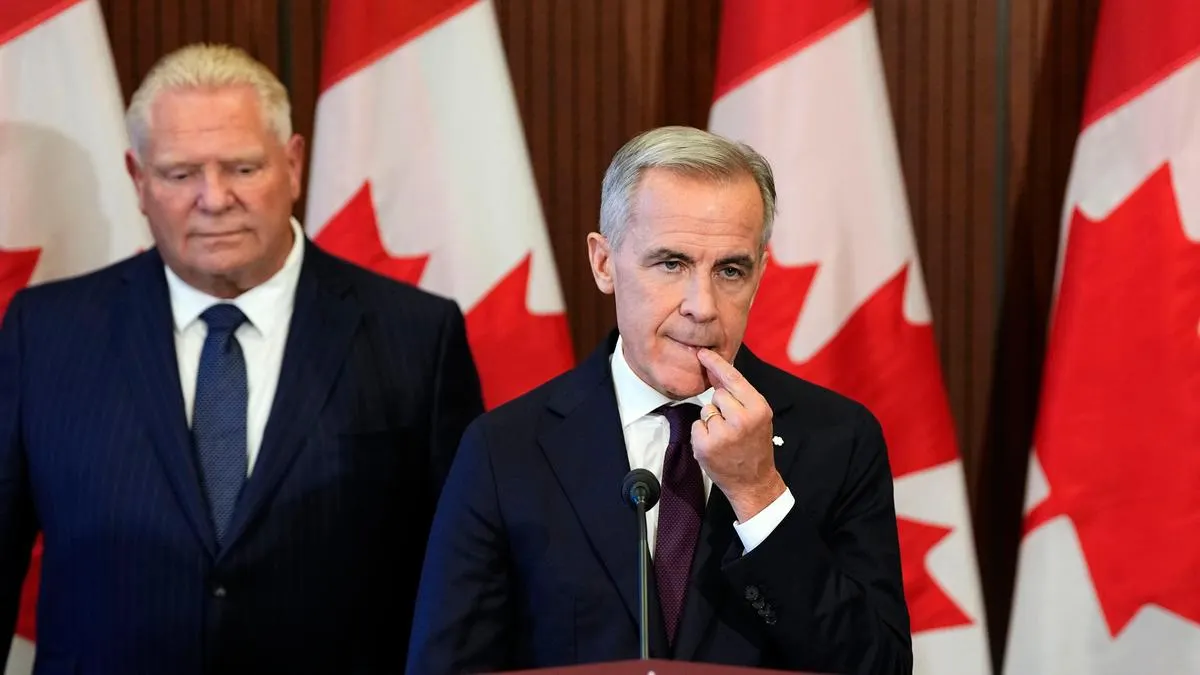
Canadian Prime Minister Mark Carney, during his trip to China reported on November 17, said Canada could seek European and Asian automakers as partners if trade negotiations with the United States failed. His options include Chinese manufacturers, although he said preserving an integrated North American auto industry remained his priority.12
Negotiations and alternatives
Carney said any agreement with Washington must preserve a viable Canadian vehicle industry. According to the Guardian's November 16 report, he said negotiations were progressing, though differences remained. He also said Canada would pursue alternatives if its auto workers could not be fully employed within a North American production system.1
The BBC reported that the United States had imposed a 25% tariff on vehicles made outside America and that 90% of Canadian-made cars were shipped to and sold in the US. According to the Guardian, the Detroit Three operate plants across Canada, the United States and Mexico, with some components crossing borders repeatedly during production.12
Carney rejected the suggestion that potential Chinese investment was a bargaining instrument in the US talks, according to the Guardian. He nevertheless made clear that Canada would seek other routes for its industry if negotiations did not produce an acceptable result.1
Conditions for Chinese investment
Carney said Chinese investment would need to establish manufacturing in Canada rather than rely solely on assembling imported components. His requirements included labour standards, production facilities and Canadian supply networks that would grow over time. The BBC also reported conditions involving Canadian joint ownership and Canadian-made parts.12
The opening follows a January agreement with China. According to the Guardian, Canada reduced its tariff on Chinese electric vehicles from 100% to 6.1%, initially permitting 49,000 vehicles annually, while China agreed to reduce duties on Canadian agricultural goods, including canola. The BBC reported that the vehicle quota would increase to 70,000 by 2030.12
Carney and Chinese President Xi Jinping agreed to further tariff reductions, the BBC reported on November 17. The broadcaster also reported that trade minister Maninder Sidhu, after touring a Chery plant, said Chinese electric vehicles could reach Canadian buyers by early 2027. That remains a prospective date rather than an established start of sales.2
Brampton and employment concerns
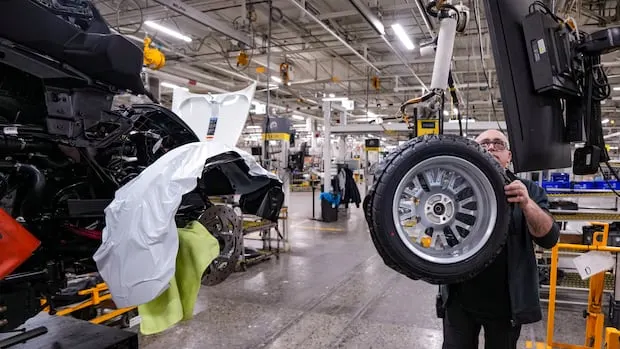
The debate coincides with changes at Stellantis's Brampton plant in Ontario. The company shifted planned Jeep Compass production to Illinois, according to the Guardian, and announced that it would sell the Canadian assembly facility. The BBC reported that part would be sold to Canadian defence contractor Roshel.12
Ontario Premier Doug Ford warned against using the Brampton plant to assemble Chinese electric-vehicle kits. According to the BBC, the Canadian auto workers' union opposed the plant deal and warned that thousands of well-paid jobs would be lost. Ford has also warned that admitting Chinese electric vehicles could threaten Canadian employment and access to the US market.12
Why it matters
European automakers are among the potential partners Carney has identified if Canada cannot secure a US trade agreement. The outcome could therefore determine whether Canada seeks European manufacturing investment alongside Chinese or Japanese alternatives, according to the Guardian.12
Videos
Related stories

Version history
- version 1 ·