Health · Yemen
WFP says Yemen conflict is driving hunger to record levels
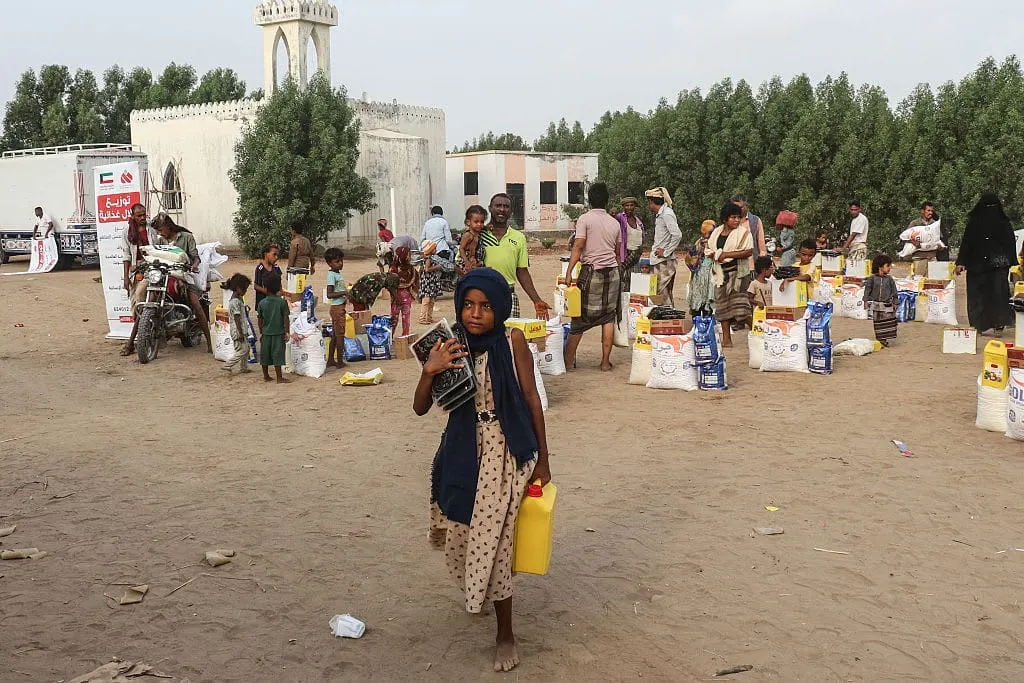
The UN food-assistance agency says more people are struggling to obtain enough food as insecurity intensifies. In government-controlled areas, three in four households are skipping meals.
The WFP says intensifying conflict is pushing hunger in Yemen to record levels. Three-quarters of households in government-controlled areas are skipping meals.
- Record numbers cannot meet their food needs
- Three in four government-area households skip meals
- Accessible government-held areas contain about 10 million people
- WFP warns insecurity could devastate food security
- Displacement and maritime effects remain single-source claims
What's new
- WFP says record numbers cannot meet their food needs. [s1, s2, s3]
- Three in four households in government-held areas are skipping meals. [s1, s3]
- One report says the conflict has displaced tens of thousands. [s1]
The World Food Programme said on Oct. 2 that worsening hostilities in Yemen were deepening hunger, with more Yemenis than ever before lacking enough to eat. In government-controlled areas accessible to the agency, which have an estimated population of about 10 million, three out of four households are skipping meals.123
Households cutting meals
The clearest measure of the pressure on families comes from government-controlled parts of Yemen, where the WFP has access. The agency reported that three-quarters of households there were missing meals. The available reports put the population of those areas at roughly 10 million, but do not provide a precise count of how many people are unable to secure sufficient food.13
All three reports say the total population without adequate access to food has reached an unprecedented level. Middle East Eye reported more specifically that the record applied to WFP-accessible, government-controlled areas; that narrower geographic characterisation was not independently supported by the other accounts in the dossier.123
The WFP linked the worsening hunger to the intensification of Yemen's conflict. Matthew Hollingworth, the agency's assistant executive director for programme operations, said the latest insecurity could have severe consequences for access to food. “The effect of this latest flare-up of insecurity on the food security situation threatens to be absolutely devastating,” he said.23
Conflict and displacement
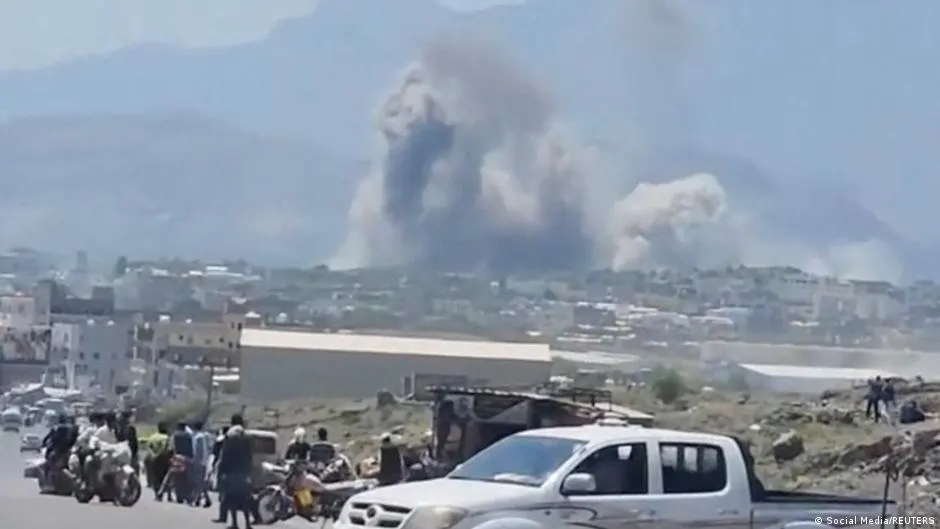
According to The Jerusalem Post, the confrontation between Saudi Arabia and the Houthis, who are aligned with Iran, is the gravest escalation since a 2022 truce mediated by the UN brought most attacks across borders to an end. That assessment appears in one of the three reports and has not been independently corroborated within the dossier.1
The same outlet reported that the renewed conflict had forced tens of thousands of people from their homes. It also said the fighting could alter territorial control in Yemen and affect shipping lanes in the Red Sea and the Bab el-Mandeb Strait. Both the displacement estimate and the possible maritime consequences are single-source claims in the available reporting.1
Limits of the available picture
The reports establish a consistent account of increasing hunger, widespread meal-skipping in government-held areas and a warning from the WFP about the effects of insecurity. They do not provide a nationwide total for people facing hunger, a detailed breakdown for areas outside government control or evidence establishing how long the latest deterioration has been under way.123
The available material also does not independently verify the reported displacement figure or determine whether the conflict will ultimately affect control of Red Sea shipping routes. Those outcomes remain claims or potential consequences described by a single outlet rather than developments confirmed across the three reports.1
Why it matters
The immediate consequences are for Yemeni households already reducing their food intake. For European readers, there is also a potential maritime concern: The Jerusalem Post said the fighting may disrupt shipping in the Red Sea and through the Bab el-Mandeb Strait, but the other reports do not substantiate that assessment.13
Related stories

Version history
- version 1 ·