World · United Arab Emirates, France, Russian Federation
Abu Dhabi talks end without peace breakthrough as Russia and Ukraine agree prisoner exchange
A major prisoner swap is being prepared after two days of US-mediated talks. US envoys plan visits to Moscow and Dublin as disputes over territory and cease-fire sequencing remain unresolved.
Listen to the story
Short version
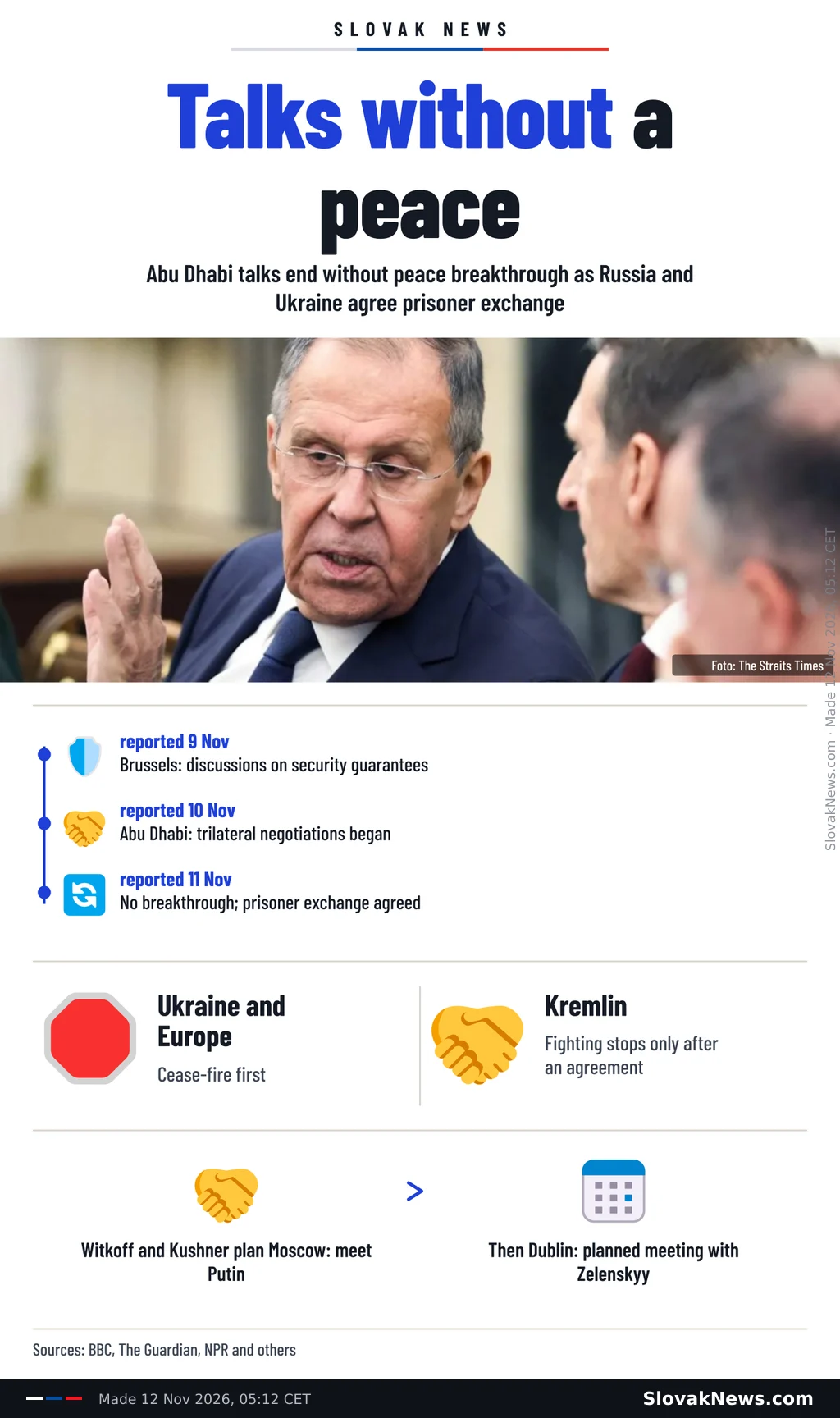
Abu Dhabi talks ended without a peace breakthrough, but Russia and Ukraine agreed to a major prisoner exchange.
- Prisoner-exchange preparations are under way; details remain unannounced.
- Witkoff and Kushner plan meetings with Putin and Zelenskyy.
- Donetsk and cease-fire sequencing remain unresolved.
- European representatives held separate discussions with US and Ukrainian negotiators.
Infographic
What's new
- The Abu Dhabi talks concluded after their second day without a breakthrough to end the war, the BBC reports.
- Russia and Ukraine agreed to a major prisoner exchange; preparations are under way.
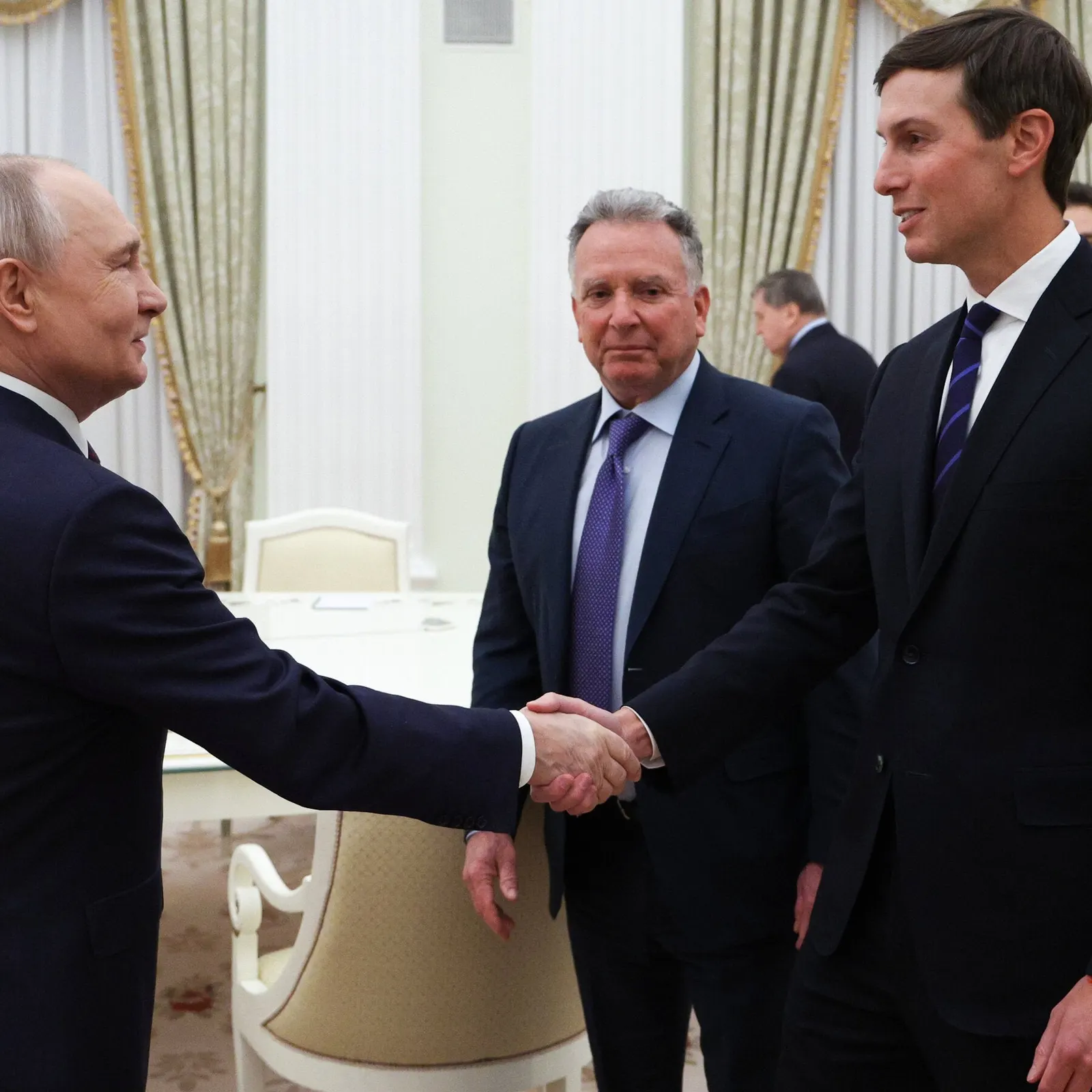
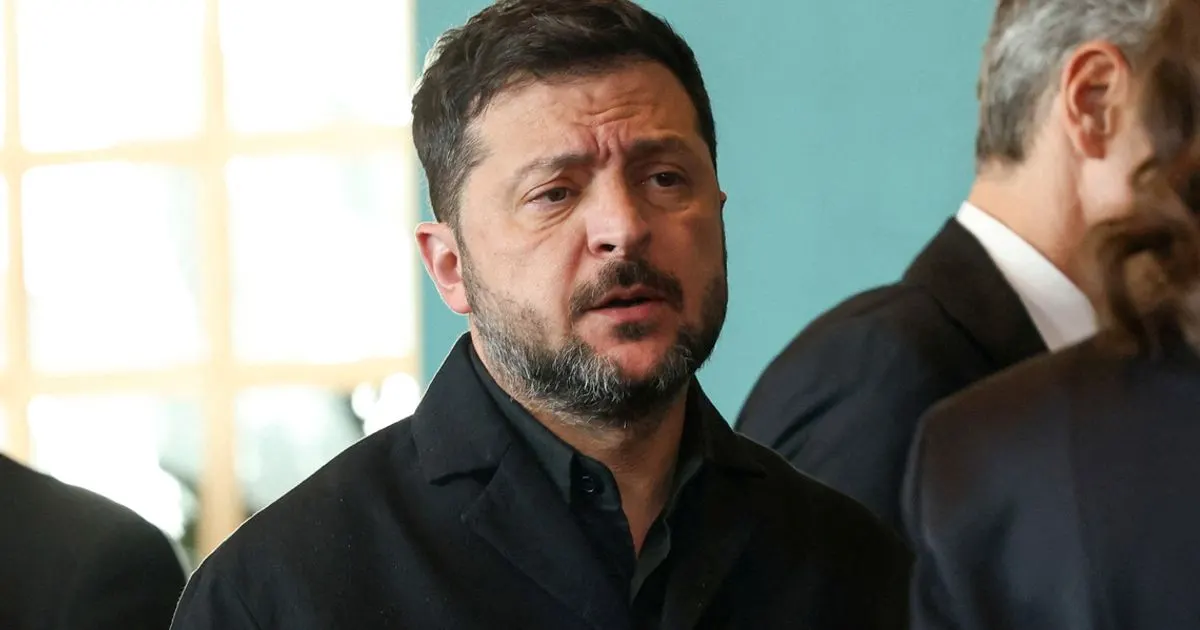
- Steve Witkoff and Jared Kushner plan to meet Vladimir Putin in Moscow and then Volodymyr Zelenskyy in Dublin.
- European representatives met US and Ukrainian negotiators separately, while the Kremlin reported no Russian contacts with them.
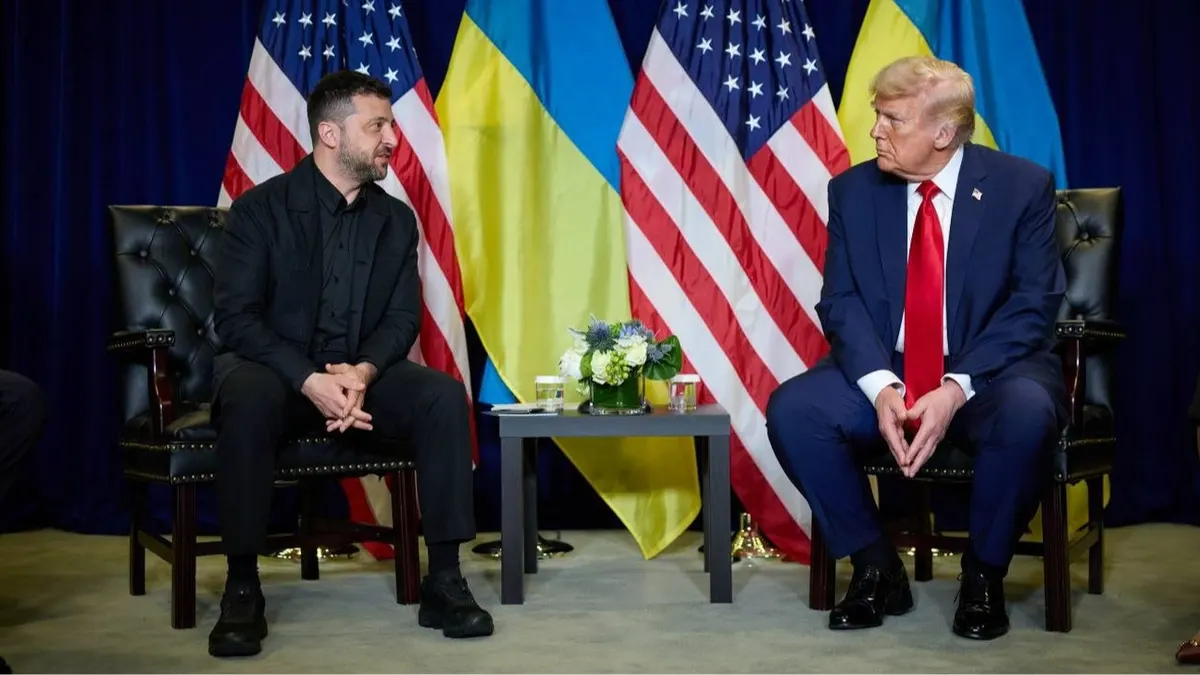
Russia, Ukraine and the United States concluded two days of talks in Abu Dhabi on November 11 without a breakthrough to end the war, the BBC reports. Russia and Ukraine agreed to a major prisoner exchange, with preparations under way, while US envoys Steve Witkoff and Jared Kushner planned to travel to Moscow and then Dublin for meetings with the countries' presidents.15
Infographic
A dispute over participation
Representatives of Britain, NATO and EU countries met US and Ukrainian negotiators in Abu Dhabi, the BBC reports. European officials also held separate discussions with Ukraine's delegation. The Kremlin had rejected a European role in the agreed three-party format.135
The Kremlin said Russian delegates had not contacted European representatives at the Abu Dhabi talks and that no such contacts were planned. Kremlin spokesman Dmitry Peskov also said the Russian delegation was keeping Vladimir Putin continuously briefed.2
According to NPR, the Abu Dhabi meetings were the Trump administration's fourth round of mediated talks and the first since Geneva in February. The agenda included postwar security arrangements, steps to reduce hostilities and humanitarian matters.3
The United States is proposing a multilateral format bringing Europeans into the discussion, according to the BBC. Ursula von der Leyen, president of the European Commission, called for NATO allies and EU countries to take part in talks concerning Europe's security architecture.1
Security commitments remain unresolved
Negotiations between Ukraine, Russia and the United States concluded in Abu Dhabi on November 11 without a breakthrough to end the war, the BBC reports. The Moscow Times reported that the second and final day's session lasted just under two hours.15
Russia and Ukraine agreed to a major prisoner-of-war exchange. The BBC reported that preparations were under way and the exchange could happen soon; The Moscow Times said Kushner confirmed the agreement and that details would be announced shortly.15
The talks left unresolved whether fighting should stop before agreement on a future security framework.1
US Secretary of State Marco Rubio said progress had been made on a possible postwar security framework, but nothing had been settled. Before the three-party negotiations, Steve Witkoff and Jared Kushner held discussions in Abu Dhabi with officials from Ukraine and Europe. Rustem Umerov said the preparatory meeting covered ending the fighting, security guarantees, economic recovery and humanitarian steps.2
Ukrainian President Volodymyr Zelenskyy has insisted that security commitments identify who would respond if Russia attacked again. US negotiators said they had discussed guarantees similar to NATO's Article 5, according to The Guardian. Their final terms remain unresolved.23
President Donald Trump said the war was nearing a settlement and suggested an agreement could extend beyond Ukraine to Europe more broadly. Zelenskyy said he was unaware of the specifics of the agreement mentioned by Trump and cautioned that it could pose a danger.36
Kushner outlined a broader framework that would include consultations, communications during crises, openness about military activities and mutual steps aimed at lowering the risk of escalation. A European security official told The Guardian that the US proposal remained unclear. EU foreign policy chief Kaja Kallas said Europe already had a security architecture.2
Ukrainian Foreign Minister Andrii Sybiha urged Rubio to speed up interceptor deliveries and maintain pressure on Russia, saying Moscow was intensifying attacks on energy infrastructure. Sybiha said Ukraine was still ready to consider steps to ease the fighting, such as halting attacks in the Black Sea and on energy facilities.2
Territory and the prospects for agreement
US officials say Russia and Ukraine have privately shown limited flexibility over control of Ukraine's eastern regions, according to the BBC. One official said territorial questions, including Donetsk, could not be resolved until the sides knew what the postwar security arrangements would be. A US official cited by The Straits Times likewise described a territorial settlement as likely to follow agreement on other issues.14
Zelenskyy said the United States supported Ukraine's assessment of battlefield conditions. He also said Russia had claimed during the talks that it occupied half of Donbas; that account of Russia's position came from Zelenskyy.2
Donetsk remained a central obstacle after the talks. According to the BBC, Moscow is calling on Kyiv to cede the remaining Ukrainian-controlled territory in the region, whereas Kyiv favors fixing the front at its current position so it can keep that land. Russia has also demanded that Ukraine abandon NATO membership.13
Ukrainian negotiator Davyd Arakhamiya described this round as among the hardest, saying he believed Russia's delegates had arrived with strict instructions. Russian delegation head Vladimir Medinsky said progress depended on Ukraine, the United States and a change in Europe's position.1
Steve Witkoff and Jared Kushner intend to hold talks with Vladimir Putin in Moscow before heading to Dublin for a meeting with Volodymyr Zelenskyy. These follow-up meetings were announced as planned, not completed.15
Why it matters
The prisoner-exchange agreement offers a humanitarian outcome, but the talks left territorial disputes and the sequence of a cease-fire and broader security agreement unresolved. Washington is seeking a framework involving Ukraine, Russia and Europe, whose representatives have held separate discussions rather than joining the trilateral negotiations.15
Videos
Related stories
background
Version history
- version 6 · The update leads with the talks' conclusion without a peace breakthrough, the agreed prisoner exchange and planned US envoy visits, while clarifying unresolved territorial and cease-fire disputes.
- version 5 · The update leads with the second day of talks and adds Ukraine's preferred sequencing, Kushner's assessment of progress, Zelenskyy's welcome for US changes and the Kremlin's statement on European contacts.
- version 4 · The update adds Zelenskyy's positive assessment of the opening day, the European security framework agenda and Ukraine's calls for interceptors alongside its willingness to discuss limited ceasefires.
- version 3 · New reporting confirms the opening of the two-day talks and identifies future security guarantees and expected broader European security discussions as their focus.
- version 2 · The talks have begun, with European participation now reported as separate security discussions rather than direct involvement in the trilateral negotiations.
- version 1 ·