Kherson humanitarian truce ends after Russia refuses extension, report says
The ceasefire that enabled Oleshky evacuations ended on 1 November, according to The Straits Times. Officials on both sides reported no violations during the six-day pause.
Listen to the story
Short version
The Oleshky humanitarian truce ended after Russia refused an extension, The Straits Times reported. It enabled evacuations and aid deliveries without reported violations.
- The ceasefire lasted from 27 October to 1 November.
- Ukraine had offered an extension.
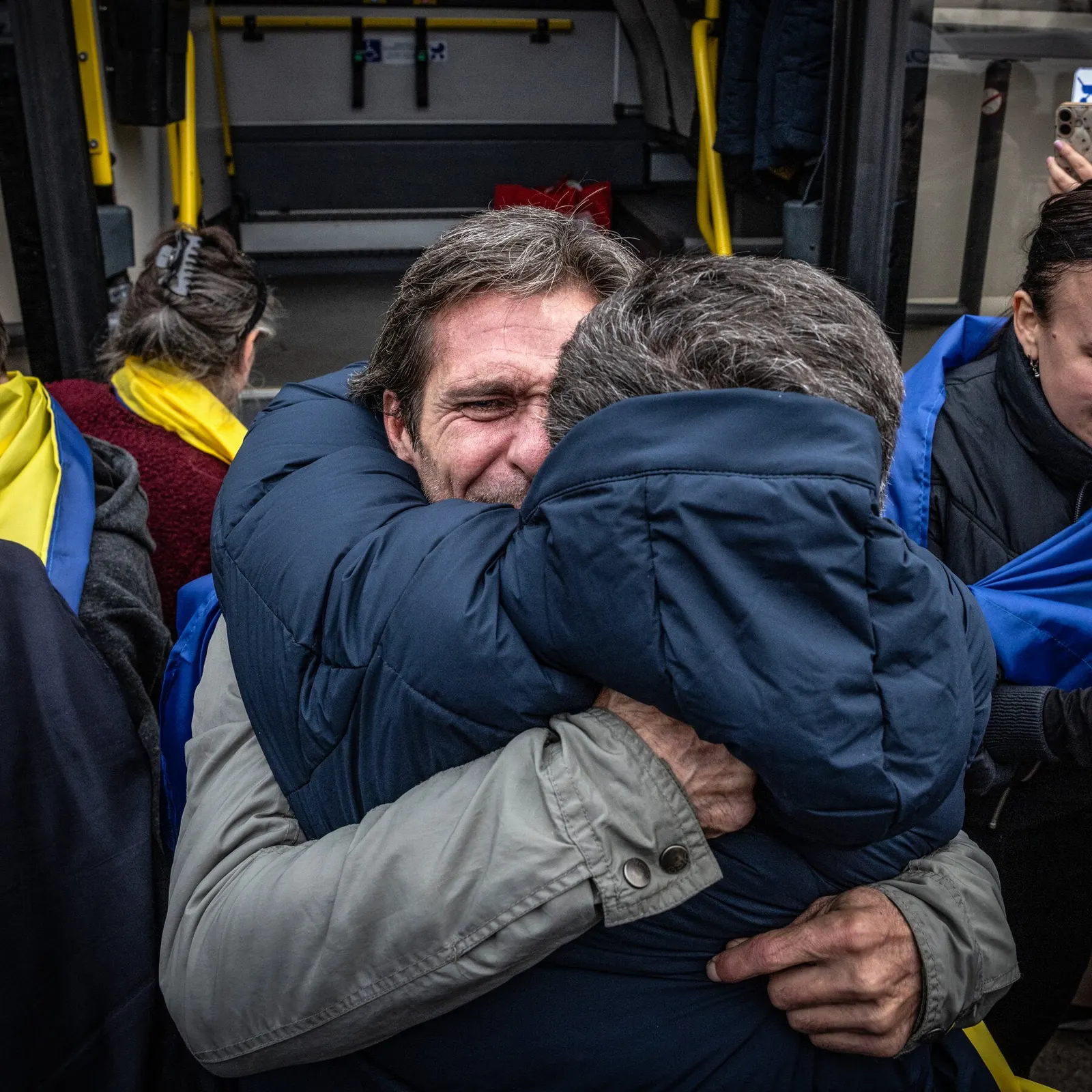
- Evacuees reached Ukrainian-held territory and reunited with relatives.
- The total evacuated from Oleshky remains undisclosed.
What's new
- The Straits Times reported that the eastern Kherson truce ended after Russia refused an extension.
- Ukraine had offered to extend the ceasefire.
- Ukrainian and Russian officials said the pause held without reported violations.
- New reporting details evacuees’ journey by bus through Crimea and by air to Belarus.
The humanitarian ceasefire in eastern Kherson that enabled residents to leave Russian-occupied Oleshky ended on 1 November after Russia refused an extension, The Straits Times reported. Ukrainian human rights ombudsman Dmytro Lubinets confirmed that the pause, in effect since 27 October, had ended.3
A route out
The ceasefire ran from 27 October to 1 November and ended after Russia refused an extension, The Straits Times reported. Ukraine had offered to extend it. Ukrainian and Russian officials said no violations were reported during the pause, which allowed roads to be cleared of mines and food, medicines and other supplies to reach Oleshky.35
The BBC reported that residents had four hours to decide whether to leave, with 25 buses providing capacity for 750 people. The Straits Times subsequently reported that 25 buses and nine ambulances took people to Crimea before they split into separate convoys. Those crossing into Ukraine travelled by bus through Crimea to Anapa, then by air to Belarus. The BBC reported their arrival at a military facility in Chernihiv.23
The number who completed the evacuation has not been disclosed by Ukrainian authorities, which also limited information about the route, according to the Guardian. Among the evacuees were a 94-year-old and a child little more than a year old, according to Dmytro Lubinets, Ukraine’s ombudsman for human rights.1
Leaving a devastated city
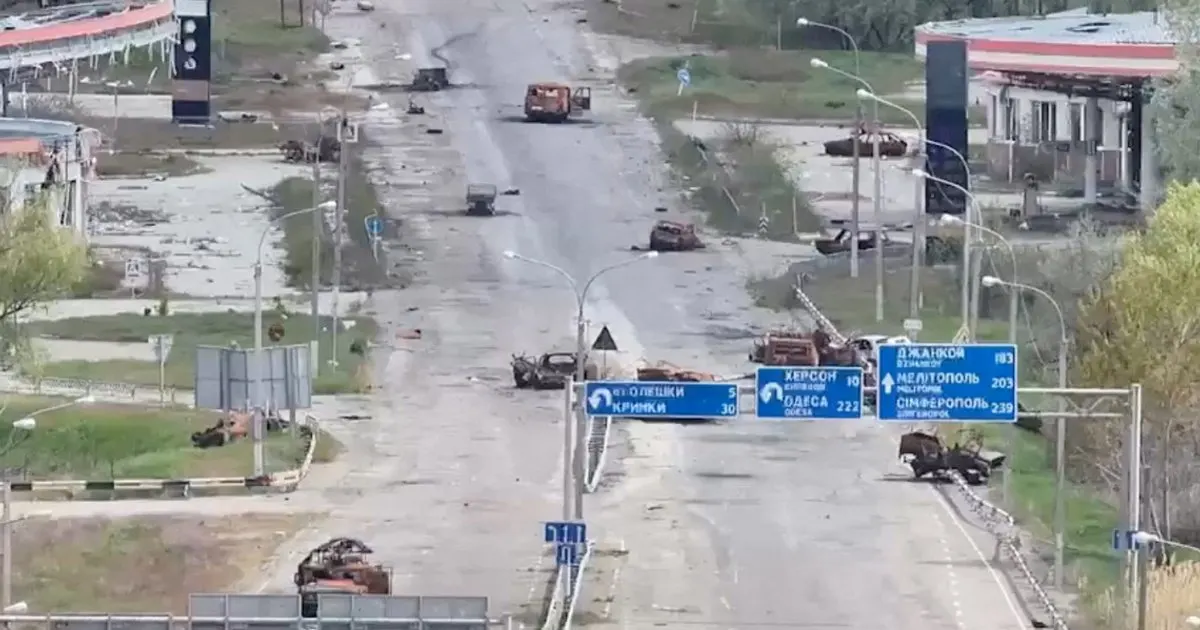
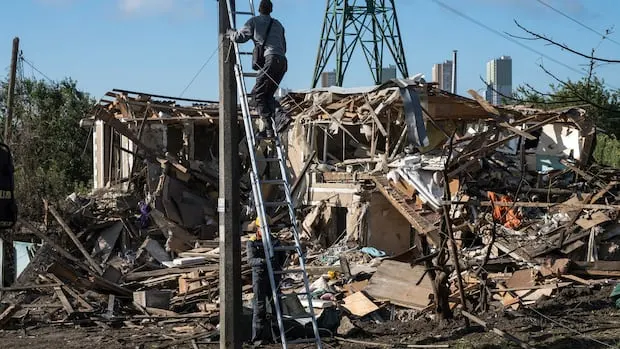
According to the BBC, Oleshky’s prewar population was 24,000, and Russian forces captured the city soon after launching the full-scale invasion in February 2022. The broadcaster described widespread destruction and a city without gas, electricity or running water.2
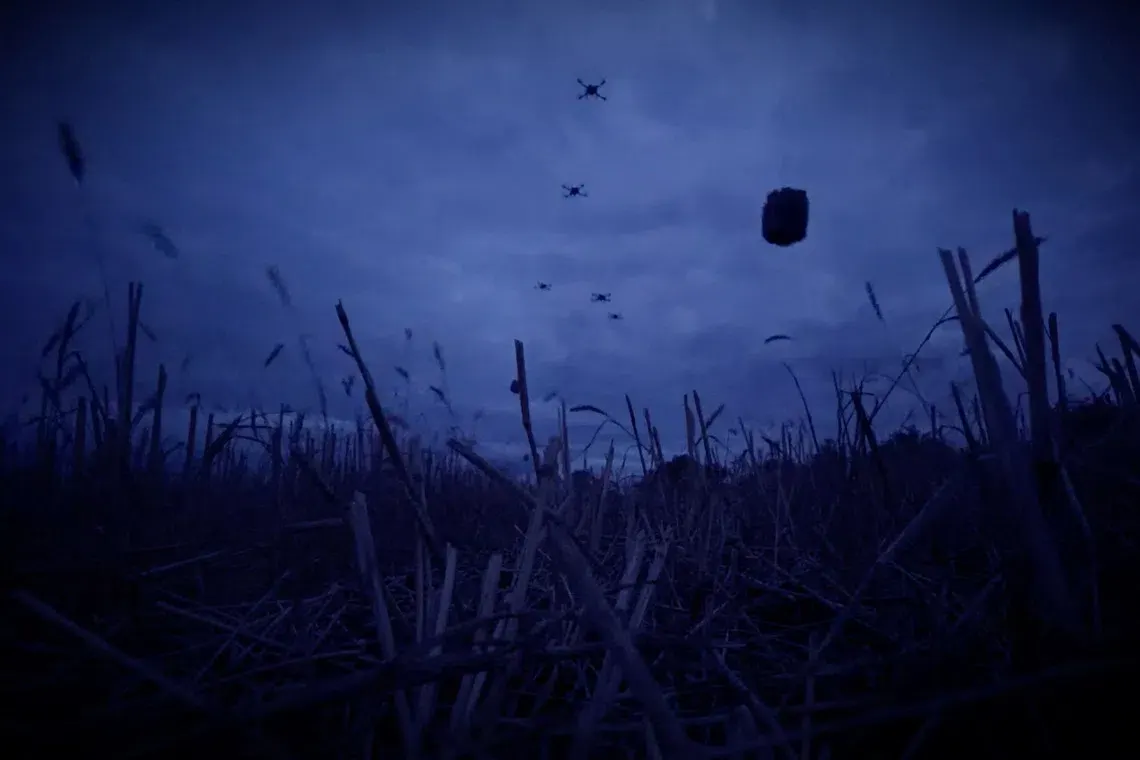
Ivan Yevhenovych, a 48-year-old evacuee interviewed by the Guardian, described shortages of basic food and the dangers posed by drones and mines. The BBC reported that another couple, Olha and Viacheslav, had tried to obtain food by crossing minefields.12
Relatives and volunteers met the arrivals with food and other assistance, including supplies for pets, according to the Guardian. Among those reaching Chernihiv were Tetiana and her husband, Volodymyr, who brought a cat with them, the BBC reported.12
The New York Times reported that the evacuees’ journey lasted 24 hours before they reunited with family and friends.4
Assistance for those remaining
Several hundred residents chose to remain in Oleshky, according to the BBC. Lubinets said they “will receive all the necessary humanitarian assistance”. The Guardian reported that an estimated 2,000 people were still in the city when the temporary truce began.12
The BBC said Ukraine’s Lubinets made a joint trip to Oleshky on Friday with Yana Lantratova, the equivalent official on the Russian side. Lantratova said the two sides had agreed to organise regular humanitarian missions in and around the city. She also said some evacuees who chose Russian-occupied territory were taken to temporary accommodation in Simferopol.12
The White House said US First Lady Melania Trump helped negotiate the local agreement. Pope Leo XIV also urged Russia and Ukraine to permit aid deliveries and evacuations, according to the Guardian. According to the BBC, Ukraine’s President Volodymyr Zelensky commended the work by Lubinets and his team to bring residents to safety.12
Why it matters
The six-day pause enabled mine clearance, humanitarian deliveries and civilian evacuations without reported ceasefire violations, according to Ukrainian and Russian officials cited by The Straits Times. Its expiry leaves continuing assistance for residents still in Oleshky an important unresolved issue, despite earlier commitments to regular humanitarian missions.13
Videos
Related stories
same actors
Version history
- version 2 · The article now leads with the ceasefire’s expiry after Russia reportedly refused an extension and adds updated reporting on compliance and the evacuation route.
- version 1 ·