UN survey links extreme heat to rising pregnancy and newborn risks
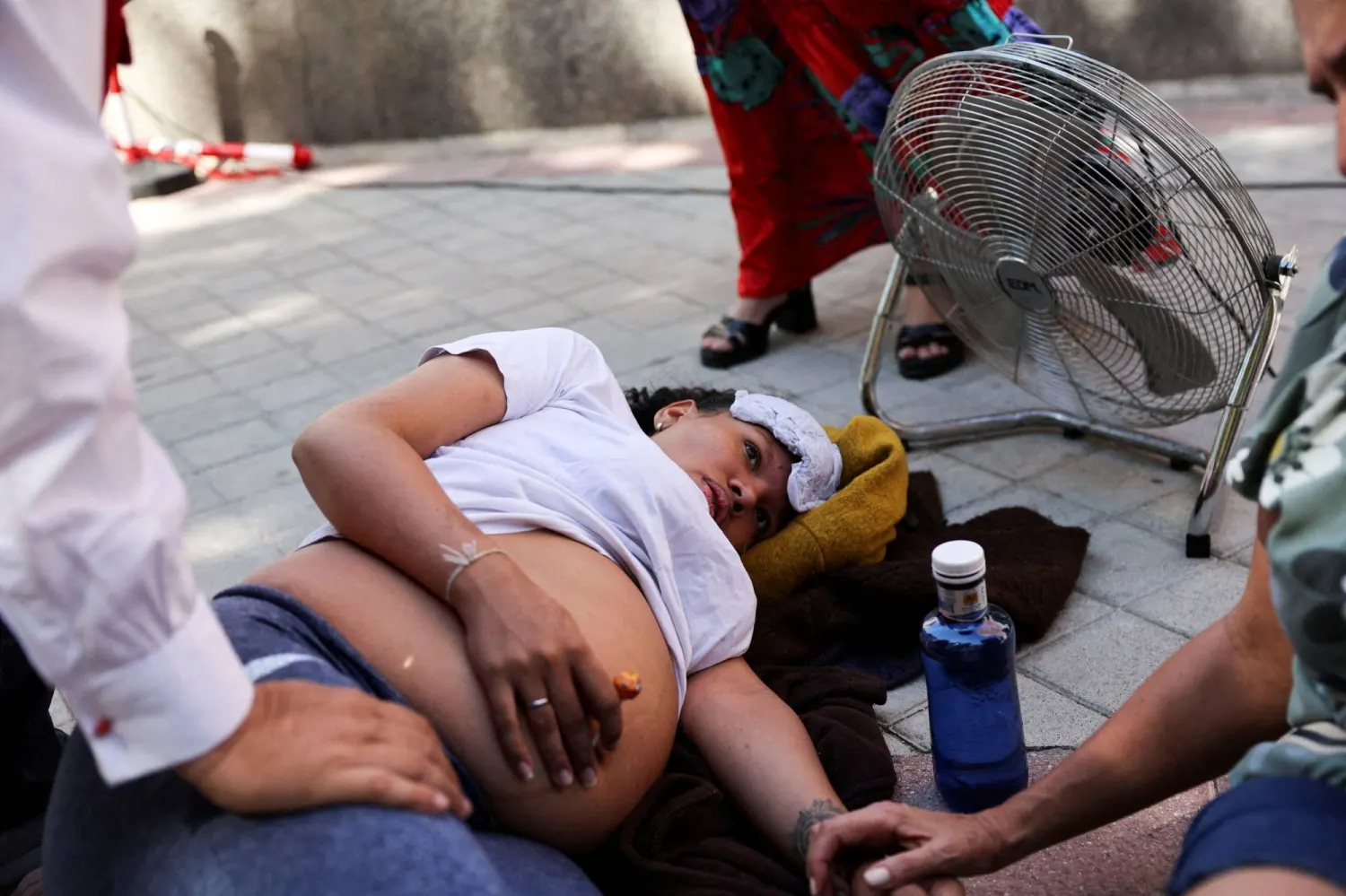
Health professionals across five continents reported treating mothers and babies affected by intense heat. The findings will be raised ahead of COP31.
An international survey found widespread clinical concern about extreme heat during pregnancy and early infancy. The findings will be raised in climate discussions before COP31 in Turkey.
- The survey covered 1,000 clinicians across five continents.
- More than two-thirds reported heat-related complications.
- About one-third saw growth, feeding or dehydration problems.
- Wellcome says health guidance and resources have not kept pace.
- COP31 is scheduled for November in Turkey.
What's new
- More than two-thirds of surveyed clinicians reported heat-related complications in the past five years.
- The survey covered 1,000 doctors and midwives in five countries.
- Health workers are seeking more training and resources for extreme-heat care.
- The findings are being highlighted before November’s COP31 summit in Turkey.
United Nations climate chief Simon Stiell was due on Oct. 5 to warn a pre-COP31 summit in Fiji and Tuvalu that extreme heat is creating greater risks for pregnant women and newborns, citing an international survey of 1,000 doctors and midwives commissioned by the charitable foundation Wellcome.12
Clinicians report heat-related complications
Researchers surveyed working clinicians from Britain, Australia, India, Brazil and Zimbabwe. More than two-thirds said they had encountered complications attributed to intense heat during the previous five years, while nearly all had treated mothers or babies they believed had been affected by extreme temperatures. The respondents included 250 midwives.123
About one-third of respondents reported seeing low birth weight or restricted growth, problems with feeding, and dehydration or other heat-related illness that they attributed to extreme heat. The findings describe clinicians’ experiences and assessments across the five surveyed countries rather than measuring outcomes for all pregnancies globally.12
According to Wellcome, 81% of those surveyed expected heat risks to mothers, fetuses and infants to worsen within five years unless further measures were taken. It also said 92% wanted more training and resources, while 82% believed policymakers and health-system leaders should place greater priority on protecting pregnant women and babies. Those percentages were reported by Wellcome alone.3
Evidence and proposed protections
Climate-driven heat exposure during pregnancy is increasingly associated with premature birth, stillbirth, low birth weight and complications affecting mothers, according to the reports. Wellcome separately said that during heatwaves the odds of premature birth are about 16% higher and that obstetric complications can rise from 5% to 25%. It also cited research in Tamil Nadu that found miscarriage risk increasing from 2% in cooler conditions to 5% under extreme heat; those figures were not independently confirmed in the dossier.123
Communities facing extreme heat are testing warning systems, training for health workers, income support, cooling measures and changes to health facilities, Wellcome said. The foundation also called for maternal and newborn health to be included in national climate plans, for a dedicated World Health Organization clinical guideline on heat during pregnancy and after birth, and for heat-exposure information to be connected with weather data and early-warning networks.3
Climate diplomacy
The warning comes as scientists say climate change is intensifying extreme weather and making temperature records more frequent. An AFP analysis of Copernicus data found that about 33 countries experienced their hottest July on record in 2026. Pacific leaders view the pre-COP31 gathering as an opportunity to focus attention on communities confronting climate impacts before the larger UN-sponsored summit in Turkey in November.12
Julia Gillard, the former Australian prime minister who chairs Wellcome, said climate change was increasing the danger for mothers and babies. Stiell is expected to use the survey to argue that pregnancy and childbirth have become an important area of climate risk requiring attention from governments and health systems.12
Why it matters
The United Kingdom was one of the five countries in the survey, giving the findings a direct connection for European readers and health services. The reported links between heat exposure, pregnancy complications and newborn health also place maternity care within the wider climate-policy debate before COP31.12
Version history
- version 1 ·