World · France
More than 500 arrested as clashes spread across French protests
The Japan Times reported clashes in Paris and other cities, with police using water cannons and tear gas; Laurent Nunez said marches were largely orderly.
Listen to the story
Short version
The Japan Times reported more than 500 arrests as clashes hit Paris and other French cities. The BBC reported nationwide turnout exceeding 320,000.
- Police used water cannons and tear gas against rioters.
- A Paris officer was struck by a Molotov cocktail.
- Nunez said marches were largely orderly while condemning disorder.
- Students and labour leaders called for a November 5 strike.
What's new
- The Japan Times reported more than 500 arrests, updating NPR’s earlier report of about 300.
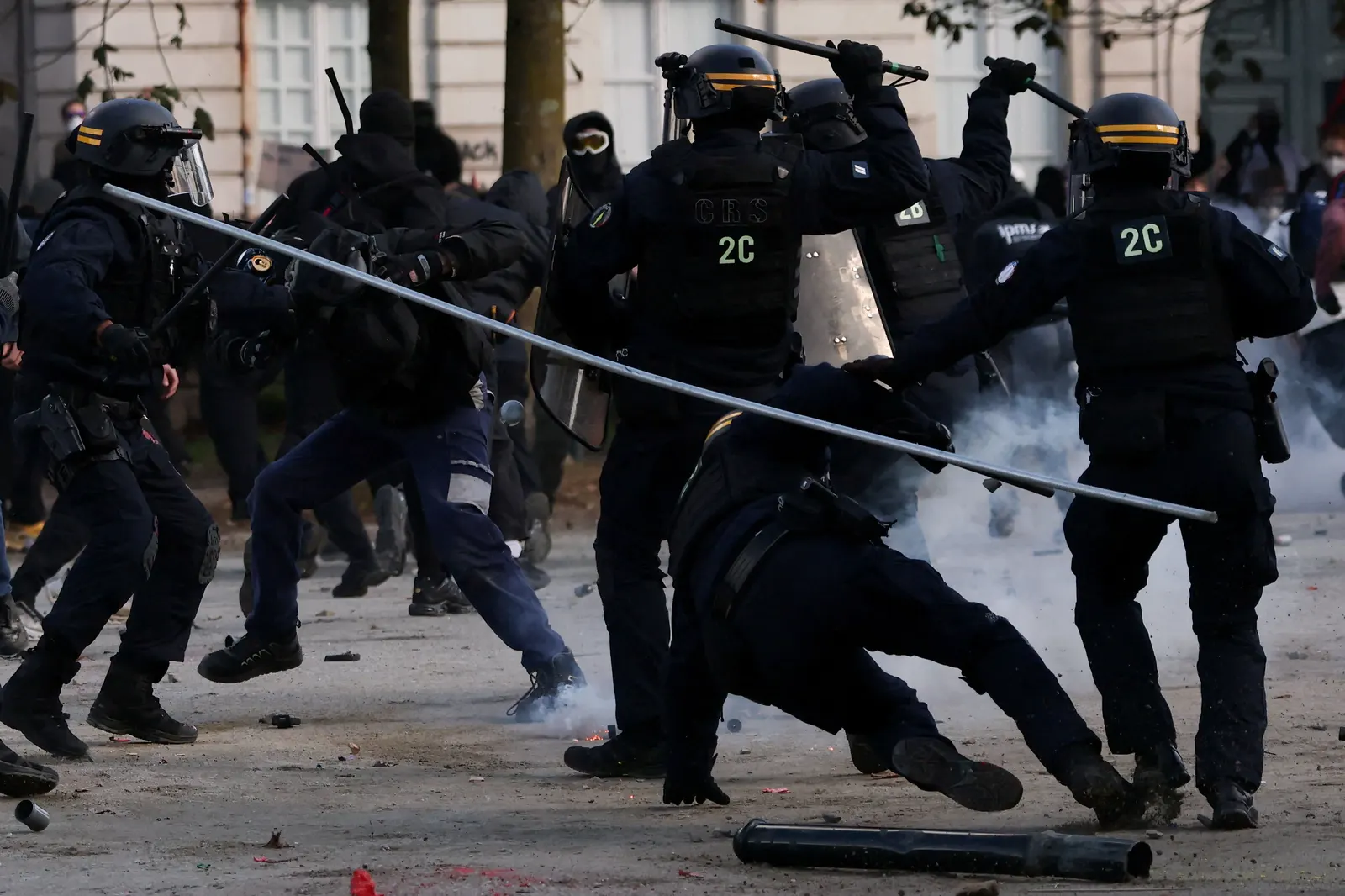
- Police used water cannons and tear gas against rioters, and a Paris officer was struck by a Molotov cocktail, The Japan Times reported.
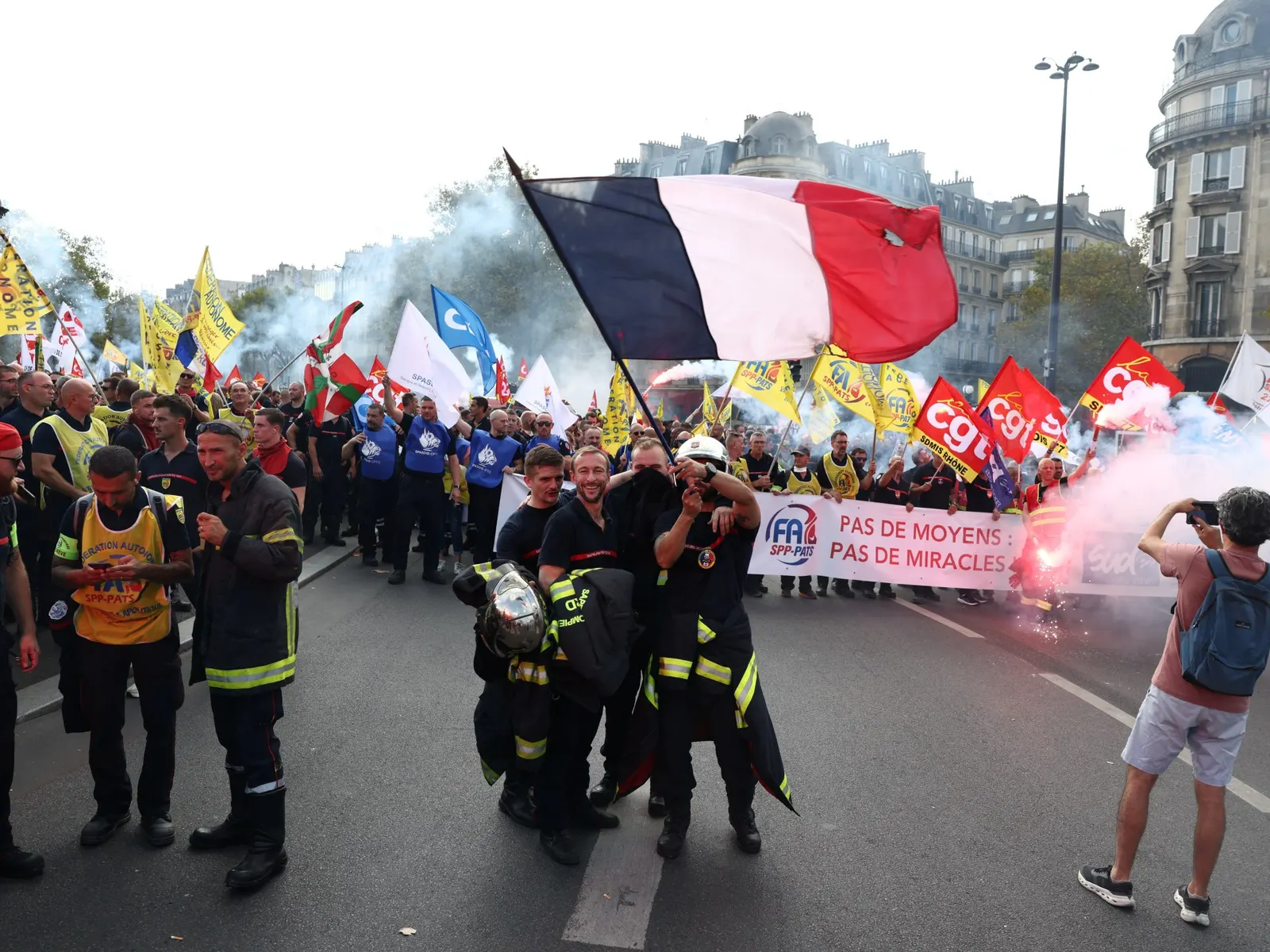
- The BBC reported more than 320,000 demonstrators nationwide protesting rising living costs and poor public services.
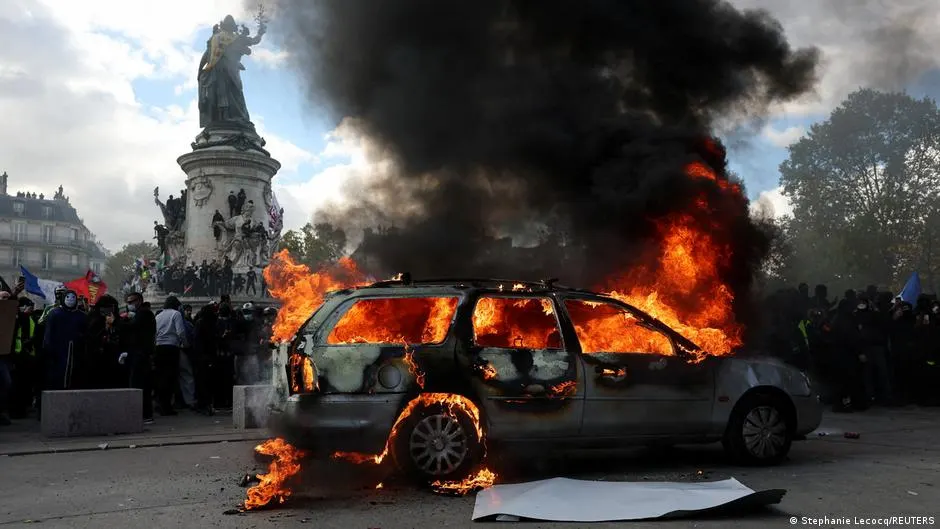
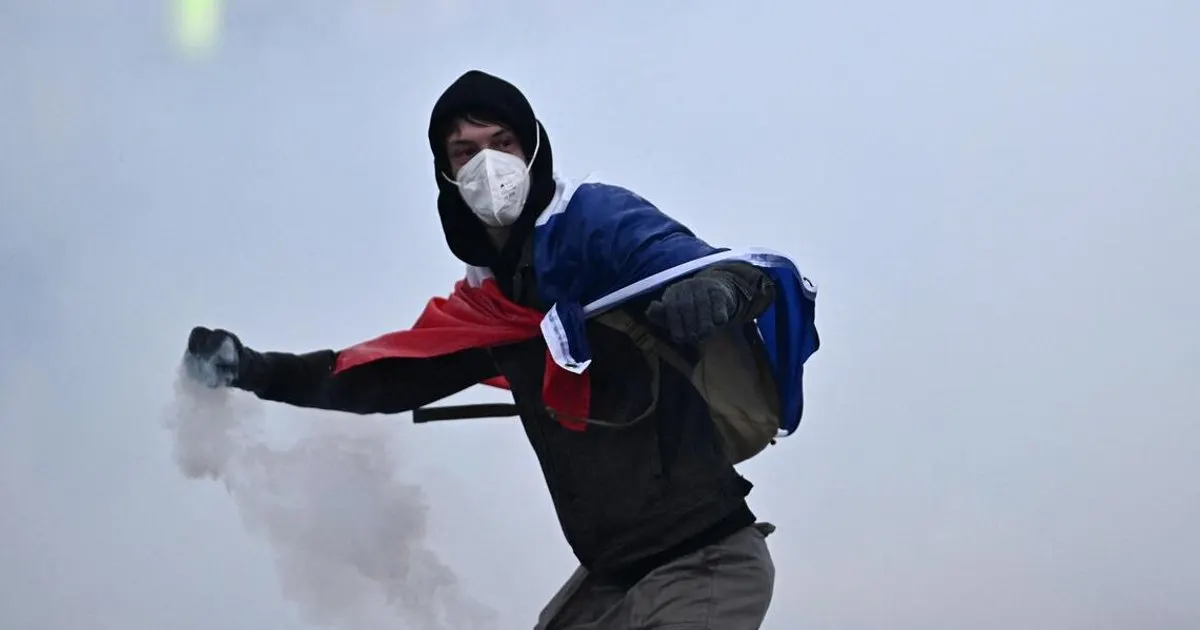
More than 500 people were arrested during France’s October 31 protests as clashes broke out in Paris and other cities, The Japan Times reported. Officers deployed tear gas and water cannons against rioters gathered at the edges of the demonstrations. Laurent Nunez said the marches were largely orderly while condemning the disorder, according to the newspaper.6
Early reports of calm
The Japan Times reported clashes in Paris and other French cities and more than 500 arrests during the October 31 demonstrations. Officers deployed tear gas and water cannons against rioters on the fringes of the protests, while a Molotov cocktail hit a Paris police officer. Laurent Nunez denounced the unrest but described the marches as mostly orderly.6
Clashes broke out near Porte de Charenton after the Paris march ended, NPR reported. Protesters hurled glass bottles and fireworks at officers, who responded with stun grenades and tear gas.1
Early reporting from The Straits Times cited an Interior Ministry estimate of about 15,000 participants nationwide and 27 arrests by 2pm. NPR later reported a government turnout estimate of 320,000 and about 300 arrests, with organisers putting attendance higher. The BBC subsequently reported more than 320,000 demonstrators, while The Japan Times reported more than 500 arrests.2146
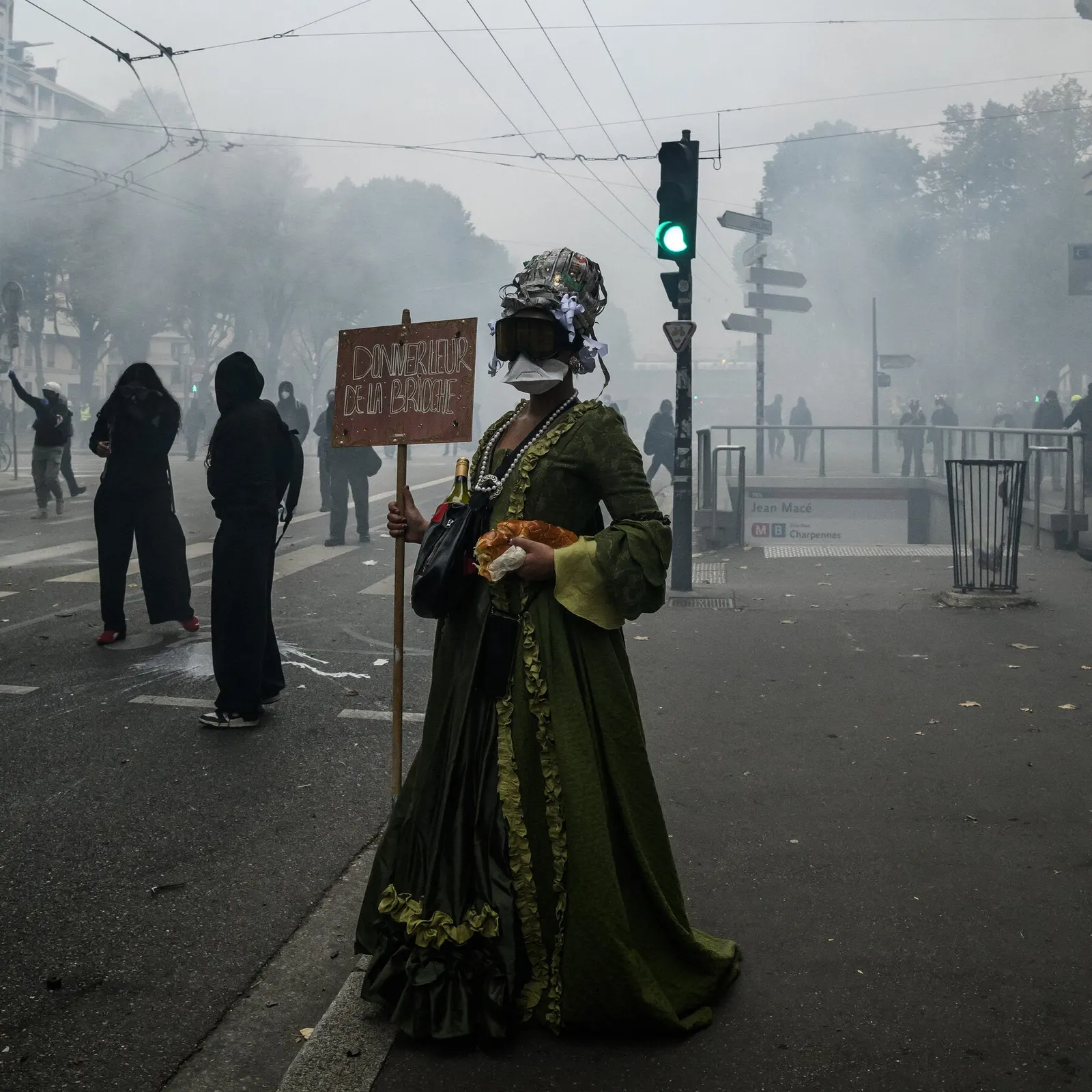
Some demonstrators wore Halloween costumes before the day ended in violence, The New York Times reported. The BBC described nationwide protests against rising living costs and poor public services.54
According to The Straits Times, calls circulated for people to gather on streets in numerous French cities from 8pm on October 31. It also reported that radical groups had used social media to encourage violent gatherings. Reuters reported on October 29 that Nunez had warned of online messages encouraging serious disorder around Halloween night.27
Restrictions on marches
Authorities prohibited demonstrations in city centres while allowing them on the outskirts, subject to assurances from organisers. Euronews reported that officers had been recalled from leave and others had lost scheduled rest days. NPR reported that Paris police barred overnight entry to Place de la Republique and Les Halles and imposed a curfew on unaccompanied minors near the Champs-Elysees. A Paris court had suspended an earlier curfew on minors, finding it a serious and unlawful infringement of freedom of movement, NPR said.137
Euronews said the Council of State withdrew approval for a march between Bastille and Nation, prompting officials to shift the Paris procession to a course beginning at Porte de Bagnolet and ending at Porte de Charenton. In a separate report, The Straits Times said an unapproved procession in Toulouse drew thousands of youths.23
The security preparations followed violence and looting during demonstrations on October 17. For the following Saturday’s marches, the Interior Ministry put participation at 410,000, according to The Straits Times, which reported that authorities had also deployed 70,000 police for those demonstrations.238
A widening protest movement
Euronews traced the student movement to protests over school conditions in the Paris suburbs, reporting that it spread nationally in September and developed into a wider campaign over living costs and fuel prices. The October 31 demonstrations brought together trade unions, students and Yellow Vest protesters for a third successive weekend, it said.3
According to NPR, the movement originated among secondary-school pupils who objected to poorly maintained facilities, insufficient teaching staff and what they viewed as an unjust university admissions process.1
The Straits Times reported that demands had expanded to include civil liberties and the freedom to demonstrate. Human rights organisations have accused French law enforcement of excessive force, according to Euronews. Jean-Luc Melenchon also accused President Emmanuel Macron’s government of moving towards authoritarianism; that was his characterisation of the government’s approach.23
Further action was already being planned. Labour leaders and students called for a nationwide strike on November 5, The Straits Times reported. Student organiser Sabrine Kharbach said university and high-school blockades would begin on November 3 and resume before participants joined the November 5 demonstration called by workers and trade unions.2
Demonstrations elsewhere in Europe
Germany’s youth initiative held rallies in more than 30 cities over education, health, climate protection and affordable living, NPR reported. Police ended a Cologne march early after participants used pyrotechnics, threw stones and covered their faces. In Frankfurt, police said several officers were injured, one severely, after protesters threw stones.1
Thousands also demonstrated peacefully against Portugal’s housing crisis in downtown Lisbon, according to NPR.1
Why it matters
The demonstrations link education and living-cost grievances with disputes over restrictions on protest in France. Youth-led rallies elsewhere in Europe also focused on education, public services and affordable living, according to NPR.123
Videos
Related stories
Version history
- version 3 · Later reporting raises arrests to more than 500 and documents clashes beyond Paris, water-cannon use and an officer struck by a Molotov cocktail.
- version 2 · Later reporting raises nationwide turnout and arrest figures and documents Paris clashes, overnight restrictions and demonstrations elsewhere in Europe.
- version 1 ·