World · France
French students press school-condition demands near Paris
Students in Paris-area schools have joined a wider protest movement over resources, staffing and building conditions. Police tactics and arrests have also become part of the dispute.
Students near Paris are protesting school conditions, staffing shortages and resources as part of a wider French movement.
- Blaise-Cendrars students barricaded their school on 10 October.
- Students reported poor facilities and missing teaching staff.
- Police suspended stun-grenade use at school protests.
- Education ministry promised 3,000 teachers.
- Unions seek longer-term funding and planning.
What's new
- Police suspended stun-grenade use at school protests.
- The education ministry promised 3,000 teachers for staffing gaps.
- Students and teachers at Lycée Blaise-Cendrars voted to continue protesting.
- Saint-Denis mayor Bally Bagayoko was teargassed at a Paris protest.
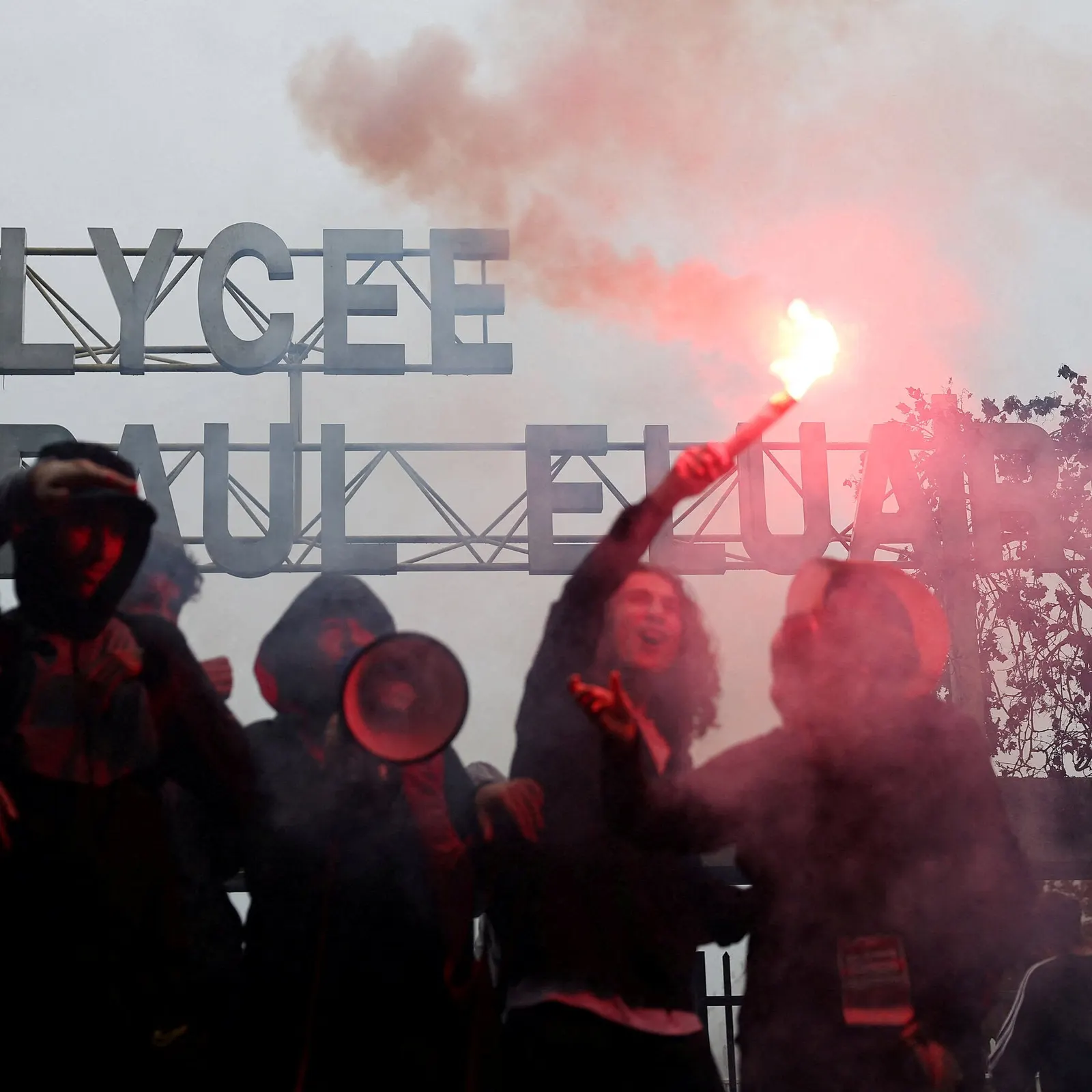
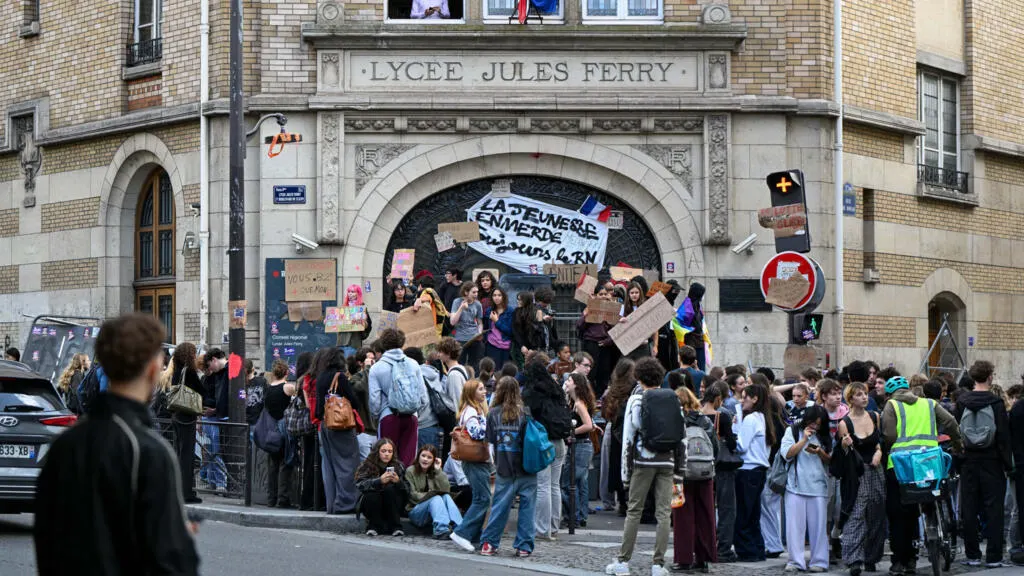
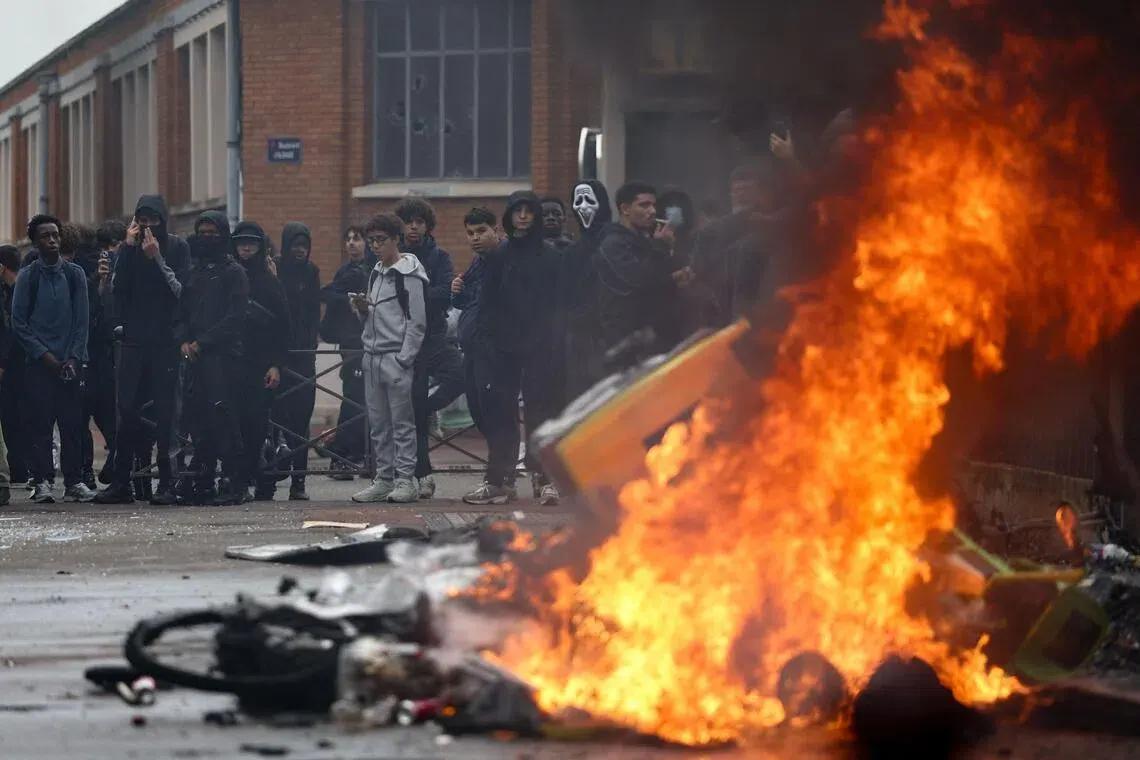
Students at schools near Paris, including Lycée Blaise-Cendrars in Sevran and Paul Éluard High School in a Paris suburb, have joined protests over classroom conditions, staffing and resources. On 10 October, students and teachers at Blaise-Cendrars barricaded the school and voted to continue their action, as a nationwide youth movement brought protests over public education to cities across France.12
Conditions in classrooms
At Paul Éluard High School, students were angered by classroom conditions and were among those who blockaded their campus during the current unrest, according to The New York Times. At Lycée Blaise-Cendrars, which has more than 1,000 pupils, students’ phone photographs showed damaged furniture, holes in the structure, mould, water leaks and malfunctioning lights, according to the Guardian.12
Mohammed, a 17-year-old final-year student at Blaise-Cendrars, said there were too few desks and chairs, leaving some pupils standing. He also described overcrowded rooms, excessive heat and a lack of shade or curtains, and said absent teachers could go unreplaced for months. One class, he said, lacked a French teacher for several months before the baccalaureate.1
Students said some toilets were broken or lacked doors, soap or toilet paper, while projectors and science equipment were insufficient. The Île-de-France region said it had begun a major refurbishment programme for high-school buildings in 2024, but teenagers said central problems at their school had not been addressed.1
A wider protest movement
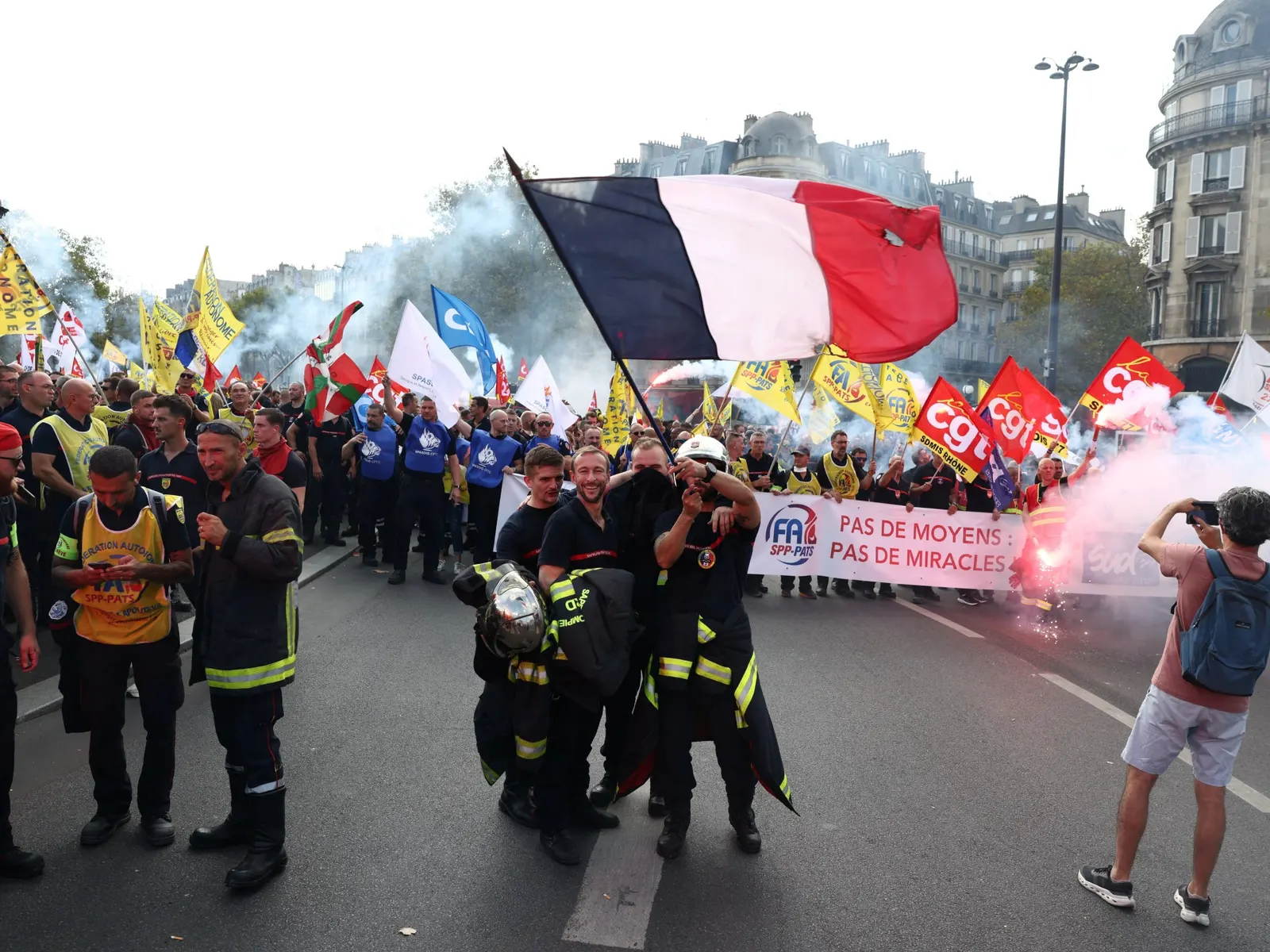
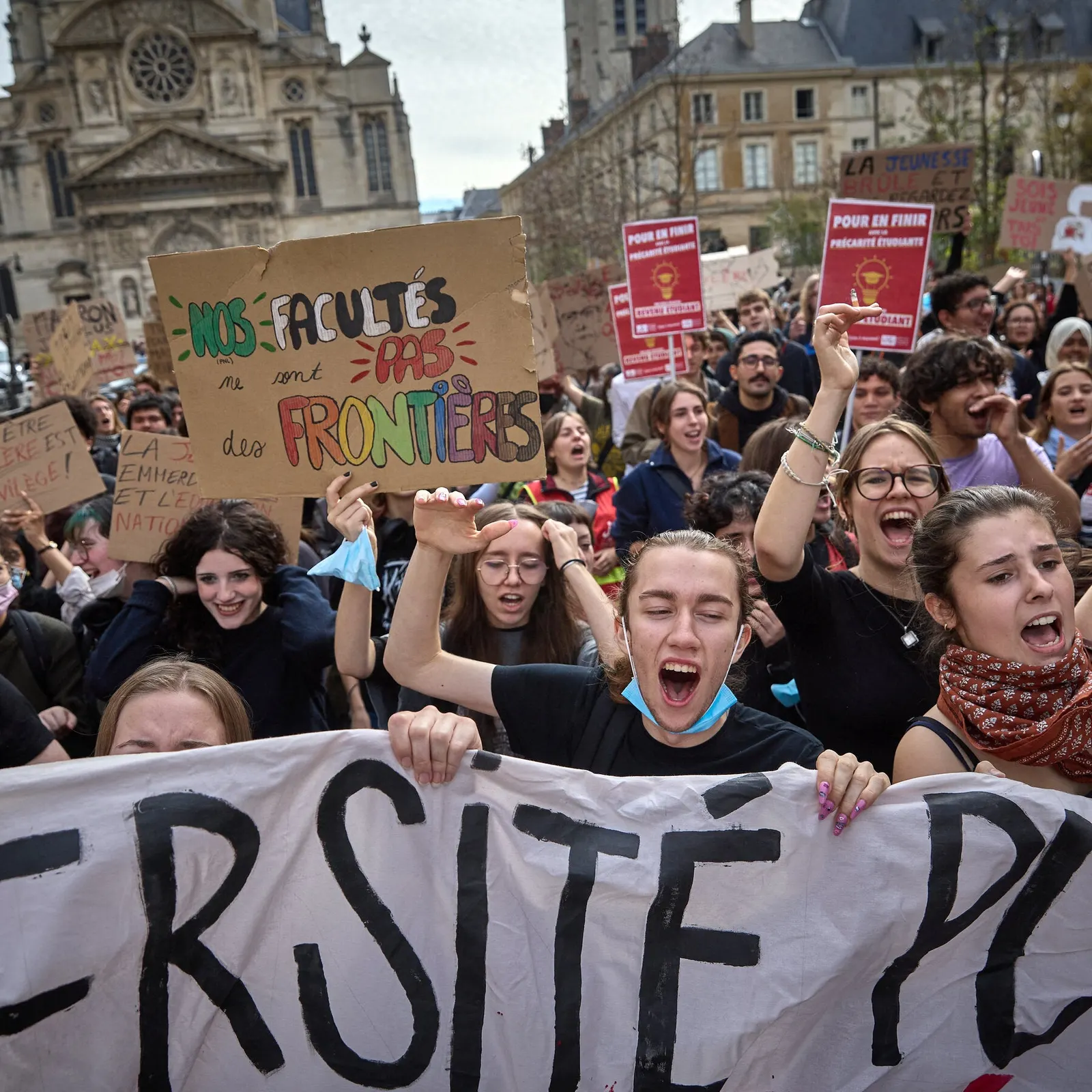
For more than a week, students across France have protested over funding and resources in public establishments, according to the Guardian. The newspaper reported that hundreds of thousands had taken part nationally, that hundreds of schools had been blockaded and that thousands of teenagers had been arrested.1
The Guardian also reported more than 5,000 arrests, with underage people making up a large majority. Rights groups warned of alleged police brutality, including reports that one child lost the use of an eye and another lost a hand. French police subsequently suspended the use of stun grenades at school protests.1
On 9 October, Bally Bagayoko, the mayor of Saint-Denis, was teargassed and evacuated after marching with high-school students who encountered a police cordon in Paris, according to the Guardian. Bagayoko said that disruption caused by a small number of people did not “justify the disproportionate use of force by the authorities”. Interior minister Laurent Nuñez defended policing tactics.1
Staffing and support
The education ministry promised 3,000 teachers to fill staffing gaps urgently. Teachers’ unions questioned that commitment and called for longer-term planning and additional funding, despite the government’s position that little spare money was available.1
Ilian, 17, said Blaise-Cendrars had no school nurse and too few support workers for children with disabilities. He said he had waited months to see a child psychiatrist, and reported that some teenagers alleged police officers had used racial insults during demonstrations.1
Stéphane Blanchet, Sevran’s mayor, said many local residents felt neglected by the state. Stéphane Troussel, who leads the Seine-Saint-Denis departmental council, spoke with students and urged police to cease using rubber-bullet launchers following injuries and the halt to stun-grenade use. Prime minister Sébastien Lecornu described teenagers’ concerns as “legitimate”.1
Why it matters
The protests place the condition of public schools in the Paris region at the centre of a wider national dispute about education resources. The blockade at Paul Éluard High School shows how grievances over day-to-day learning conditions have become part of the broader student unrest.2
Videos
Related stories
background
Version history
- version 1 ·