Gaza Documentary 'NAZA' Draws Protests, Ovation at NYFF Premiere
The Guardian-produced film about Israel's conduct in Gaza won a standing ovation and sold-out crowds at its North American premiere, while Israeli officials moved to strip its directors of citizenship.
NAZA, a Gaza war documentary that won a Venice prize, had a sold-out, protest-flanked North American premiere at NYFF while Israeli officials moved to strip its directors' citizenship.
- NAZA won Venice's Special Jury Prize and premiered at NYFF's Lincoln Center
- Israeli culture minister and PM pursued citizenship revocation against directors
- Protests for and against the film occurred outside the venue
- IDA letter with 250+ signatories urges Israel to halt threats
- Film set for U.S. release and free global streaming via The Guardian
What's new
- NAZA had its sold-out North American premiere at Lincoln Center amid a nor'easter
- Israeli officials, including the Prime Minister and Culture Minister, moved to revoke directors' citizenship
- The IDA letter defending the directors has passed 250 signatories
- Israeli-American Council staged a counter-rally with October 7 footage outside the venue
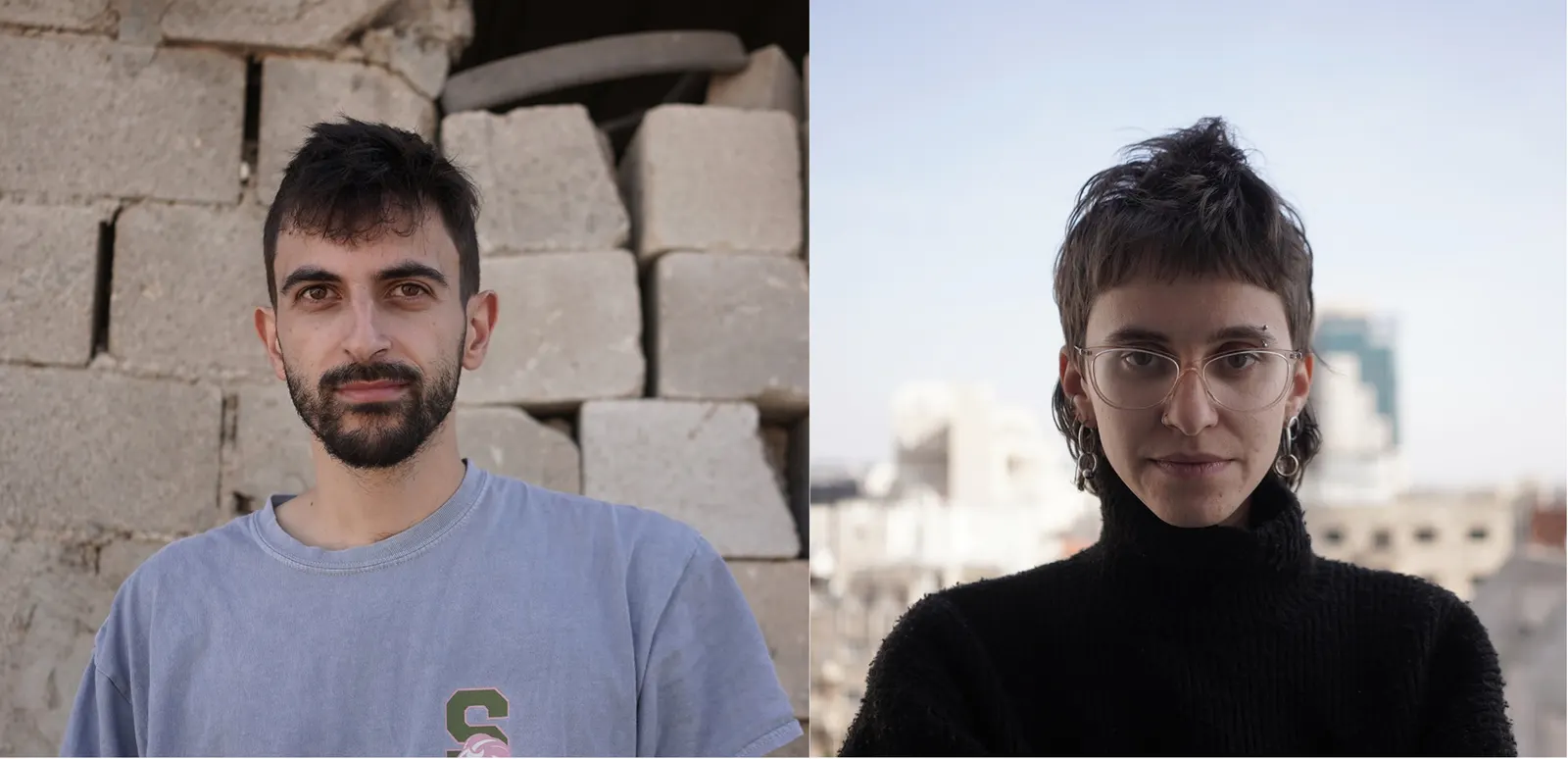
The Gaza war documentary 'NAZA' had its sold-out North American premiere at Lincoln Center in New York on Saturday, drawing both a standing ovation inside the New York Film Festival and dueling protests outside, as Israeli officials pursued legislation to strip its directors, Yuval Abraham and Rachel Szor, of their citizenship.341
Premiere amid protest
Despite heavy weather from a nor'easter tracking along the East Coast, the film still screened twice at Lincoln Center, the Jewish Telegraphic Agency reported. Outside the venue, two groups of Israeli-Americans faced off: a smaller group supporting the filmmakers and a larger one opposing the film, according to the same account.31
The Israeli-American Council organized a rally featuring mobile LED screens displaying footage from the October 7 attack, according to JNS. Organizers explained that the goal was to 'show documented footage from the October 7 massacre, alongside material challenging the film's claims,' Deadline reported. Separately, New York's Israeli Consulate ran its own campaign, deploying trucks emblazoned with slogans such as 'Critical thinking required,' per JNS.51
Inside, the screening included a post-screening Q&A with the directors and New York Film Festival director Dennis Lim, according to TheWrap. Among those in the audience were Brad Lander, running as the Democratic candidate in New York's 10th Congressional District, and David Lawson, a Jewish Queens resident who said he'd valued the filmmakers' previous work, the Jewish Telegraphic Agency reported.43
Citizenship threats and legislation
The Jewish Telegraphic Agency reported that after NAZA took home the Venice Film Festival's Special Jury Prize earlier this month, Israel's culture minister vowed to strip the filmmakers of their citizenship, while protesters labeled them traitors. The International Documentary Association similarly noted that top Israeli officials targeted the directors in the wake of the Venice honor, with the Culture Minister branding them traitors and pushing to revoke their citizenship.32
The Culture Minister said, "Anyone who acts against Israel during wartime must know that there will be a price to pay," according to TheWrap. Prime Minister Benjamin Netanyahu threw his support behind legislation stripping Israeli filmmakers of citizenship, and the IDA reported that he unveiled bills targeting anyone who 'slanders IDF soldiers' with citizenship loss while multiplying defamation damages twentyfold.432
On several nights, demonstrators assembled in front of Szor's parents' house demanding the filmmakers be expelled, and graffiti calling them traitors was spray-painted nearby, according to the IDA and the Jewish Telegraphic Agency. The Jewish Telegraphic Agency reported that protesters at the home included activists and campaign staff from Itamar Ben-Gvir's far-right party. The Israeli army has weighed legal action against the filmmakers, and the IDF chief of staff called the film a deliberate distortion of reality, according to the same report.32
According to Deadline and the IDA, the Israel Film Council recommended that public funding no longer factor in international festival selections and suggested establishing a separate funding stream for films honoring IDF soldiers.12
The filmmakers' account
NAZA, produced by The Guardian, is based on accounts from 24 Israeli military intelligence officers and soldiers, according to Deadline. Whistleblowers cited in the film allege the IDF set acceptable totals of Palestinian civilian deaths in attacks, and in one case authorized killing up to 500 civilians in pursuit of a single target, according to Deadline and TheWrap. The IDF has denied the allegations, according to both outlets.14
Director Yuval Abraham said, "It's important for us to see this film at this moment, as you were saying, because these older officials are talking about what is being done with taxpayer money from people sitting here," and added, "This is what your country is supporting and funding … Part of the goal (of this film) is to make denial of what's going on in Gaza harder," according to TheWrap. The U.S. government funds the Israeli military attacks depicted in the film, according to the same report. The film's title derives from a military acronym the IDF uses to measure expected civilian casualties, TheWrap reported.4
Moshe Kayam, quoted by the Jewish Telegraphic Agency, argued the film was unfair, contending that while the Oct. 7 attacks were truly horrific, they did not excuse the large-scale killing of civilians in Gaza.3
International support
The International Documentary Association issued a public letter urging Israel to reverse its actions against the filmmakers, stating, "IDA calls on the Israeli government to withdraw its threats against filmmakers Yuval Abraham and Rachel Szor," and "We also call for an end to the public campaign of intimidation against them." The letter references Israel's commitments under the International Covenant on Civil and Political Rights, noting "as a party to the International Covenant on Civil and Political Rights, Israel is bound by Article 19," and that "the UN Human Rights Committee recognizes the protection of journalistic sources as part of freedom of expression."12
The letter states, "The Israeli military disputes the film's account, and it is entitled to do so," but adds that "Revoking citizenship, imposing punitive damages, or opening security investigations in response to a documentary does not meet that test," and concludes, "Disagreement with a film must not become a threat to the people who made it." More than 250 signatories have joined the IDA letter, including actors Javier Bardem and Mark Ruffalo and filmmaker Laura Poitras, according to Deadline. Forty-three Israeli human rights organizations have defended the directors, according to Deadline and the IDA; Deadline also reported that more than 1,500 Israeli film professionals have done so, a figure not repeated in the IDA's own statement.12
NAZA is set to open at the IFC Center in New York and expand to other U.S. cities as part of a self-distributed release, and is planned for theatrical release across 55 other territories, according to TheWrap. TheWrap and the Jewish Telegraphic Agency reported that the documentary will additionally stream at no cost via The Guardian's site later this fall, ahead of a worldwide free release slated for November. TheWrap pointed out that the film follows in the footsteps of No Other Land, the 2025 Academy Award winner for best documentary feature.43
Why it matters
The dispute tests how far a government can go in responding to a documentary that criticizes its own military conduct, raising questions under international free-expression obligations that also bind other states in Europe. The case draws attention to how funding, distribution and citizenship law can be used to pressure filmmakers covering conflict.2
Related stories

Version history
- version 1 ·