Culture · Israel, State of Palestine
Netanyahu seeks investigation of NAZA documentary participants
Israel’s prime minister has asked security, military and legal authorities to investigate people who appeared anonymously in NAZA, a documentary containing allegations about the Gaza war. The army has rejected the film’s accusations.
Netanyahu has requested an investigation and possible prosecution of anonymous participants in NAZA, a documentary alleging wrongdoing by Israeli forces in Gaza.
- Netanyahu sought inquiry into NAZA participants.
- Authorities were asked to consider prosecution.
- The film contains anonymous military testimony.
- The army rejected the documentary’s allegations.
- NAZA received recognition at Venice.

What's new
- Netanyahu requested a comprehensive inquiry into NAZA participants.
- He sought prosecution over alleged security and defamation offences.
- The Israeli army rejected the documentary’s allegations.
- The film’s contributors include 24 digitally masked soldiers and intelligence personnel.
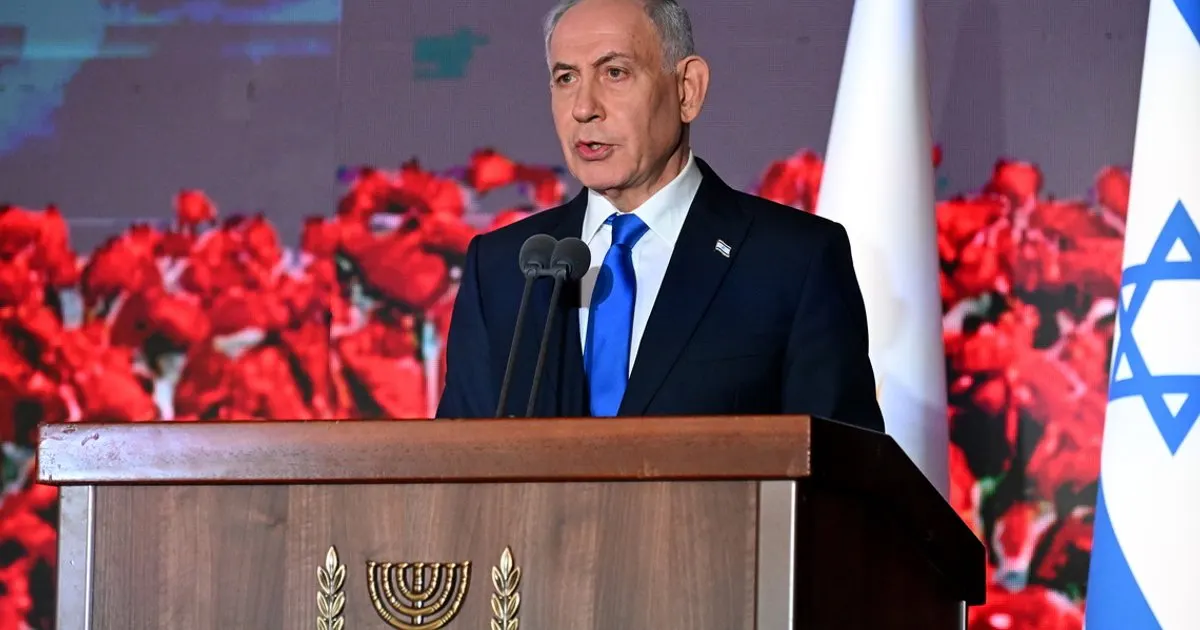
Prime Minister Benjamin Netanyahu on 11 October called for Israeli authorities to investigate and prosecute participants in NAZA, a documentary about the Gaza war that features anonymous testimony from Israeli soldiers and intelligence personnel. His office said the request was directed to the army chief of staff, the Shin Bet head and the state attorney.14
Request for an inquiry
Netanyahu’s office said he had sought a thorough investigation of the people who took part in NAZA and their prosecution. The requested action concerned alleged serious information-security offences, criminal defamation and damage to Israel’s diplomatic and security interests, according to the Prime Minister’s Office.14
Netanyahu said the documentary presented a distorted account of Israel and its army. “This film tells a false, misleading and biased story that defames the State of Israel and the army around the world,” he said. ABC Australia reported that he said participants should be prosecuted for leaking sensitive material, criminal libel and harming Israeli diplomatic and security interests.12
The documentary’s allegations
According to The Straits Times, NAZA is built around testimony from 24 unnamed Israeli military whistleblowers. The Times of Israel described the 24 digitally masked contributors as soldiers and intelligence personnel. ABC Australia similarly reported that the film contains anonymous interviews with about two dozen soldiers and intelligence officials.123
The contributors accuse the Israeli army of extensive civilian killings in Gaza, including through the use of AI-powered systems to assess targets, according to The Straits Times and ABC Australia. The Times of Israel also reported that the film contains allegations of AI-assisted targeting and preapproved limits on civilian casualties. These are allegations made in the film, not findings established in the material provided.123
The Israeli army rejected NAZA’s allegations and questioned the reliability of its anonymous contributors, according to The Straits Times. ABC Australia reported that the Israeli government had released a counter-documentary intended to challenge NAZA’s account.12
Film and wider context
According to The Straits Times, NAZA won the festival's special jury award in Venice, where it was met with an ovation lasting 25 minutes. ABC Australia said the film drew favourable reviews upon its Venice International Film Festival debut and was set to open in selected Australian cinemas.12
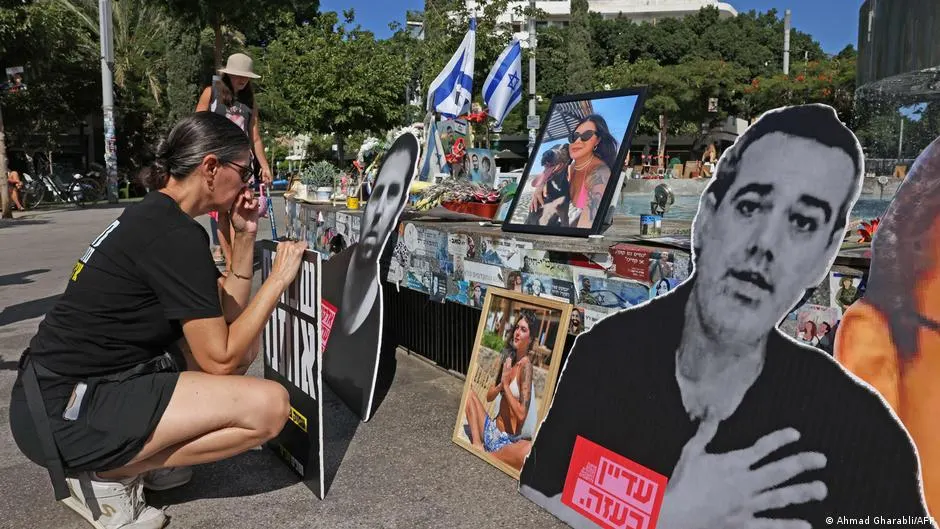
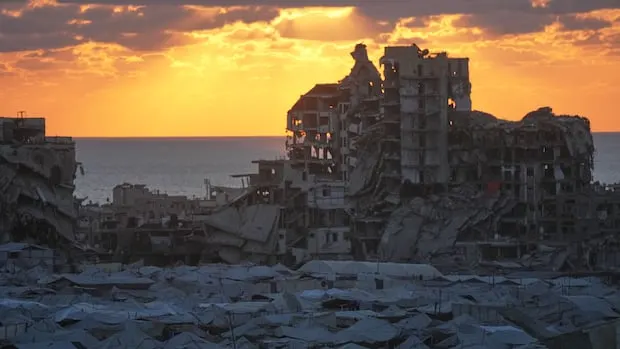
Israel’s military campaign in Gaza began in retaliation for Hamas’s attacks of 7 October 2023, according to The Straits Times. The Gaza health ministry, which operates under Hamas authority, has reported more than 74,000 deaths during the campaign; The Straits Times said the United Nations considers the ministry’s casualty figures reliable.1
ABC Australia said Reporters Without Borders, along with other groups, denounced the government's criticism of NAZA and the people behind it. It also reported that filmmakers Yuval Abraham and Rachel Szor had faced accusations of treason and threats directed at them and their families, and had not returned home to Israel.2
Why it matters
For European readers, the case concerns a film that gained recognition at Venice and has become the subject of an official Israeli request for investigation and prosecution. It also places anonymous military testimony, claims of wartime conduct and the treatment of filmmakers at the centre of an international cultural and political dispute.124
Related stories

Version history
- version 1 ·