World · Yemen
UN warns Taiz is running short of essentials as fighting blocks aid
More than 800,000 people are cut off from assistance in the Yemeni city, the UN says. Reports describe dwindling water supplies and rising food and fuel prices.
Listen to the story
Short version
The UN says fighting has left more than 800,000 people in Taiz without assistance. Reports describe worsening shortages as Houthi forces tighten their hold around the city.
- UN reports water production has fallen by roughly half.
- NPR reports cooking-gas prices have more than quadrupled.
- Fuel shortages disrupt water supplies, hospitals and waste collection.
- The UN is calling for aid-worker access.
What's new
- NPR reported on October 24 that drinking-water shortages had reached crisis levels.
- The UN said on October 23 that water production had fallen by roughly half.
- Al Jazeera reported a European Commission announcement of €22.5 million in additional aid.
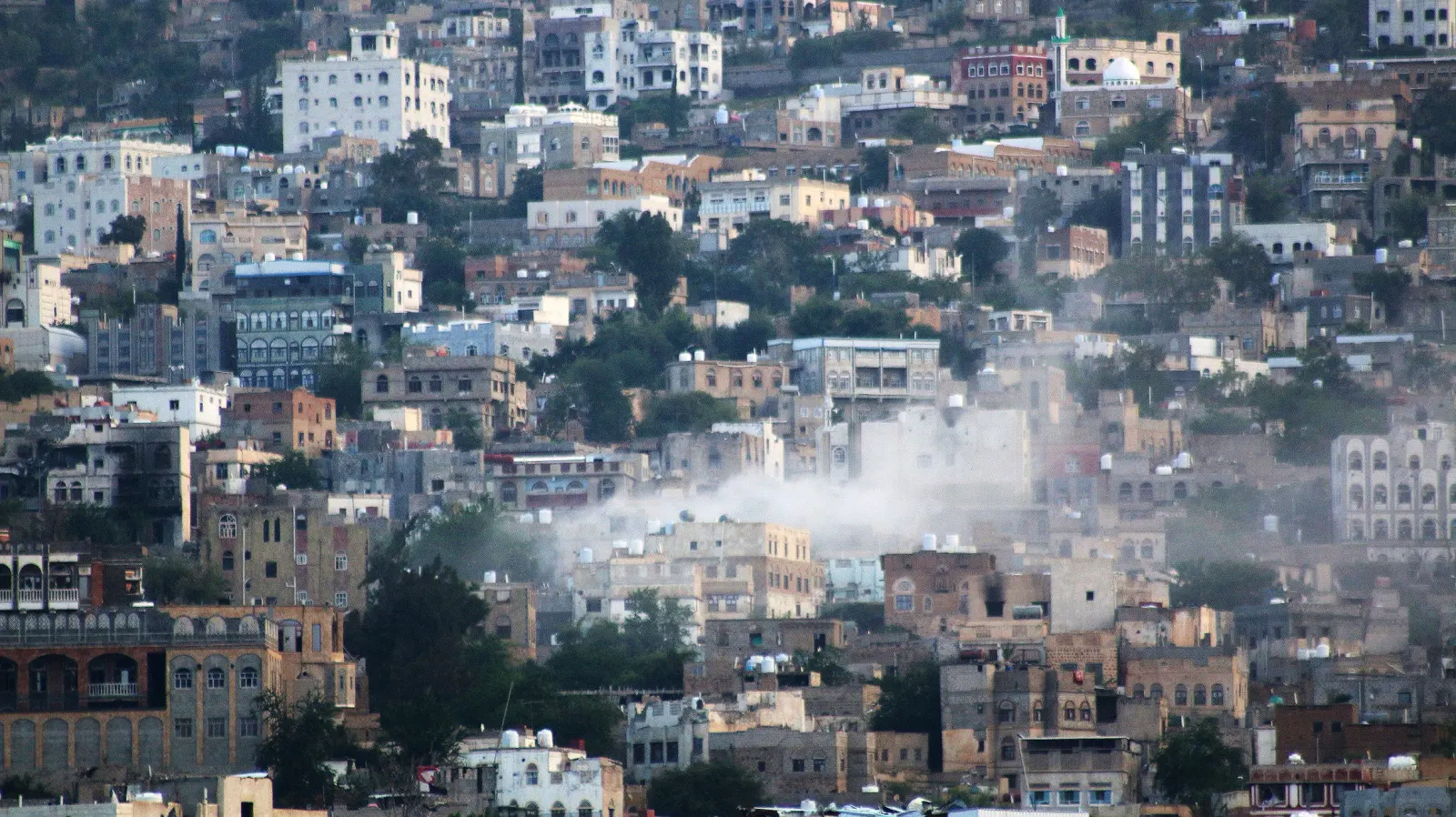
Residents of Taiz in Yemen faced worsening shortages of drinking water, food and fuel by October 24, 2026, as Houthi forces tightened their hold around the city, according to NPR. The United Nations said a day earlier that fighting had blocked supply roads and left more than 800,000 people without access to assistance.25
Water supplies and household costs
The UN said very little food, fuel or other supplies were entering Taiz, which had been cut off for about 20 days. Al Jazeera reported that Houthi forces had surrounded the city since early October and severed its road connection to Aden. Officials in Taiz had warned of an approaching humanitarian disaster, according to The New York Times.534
Drinking water had already been scarce for more than a decade, NPR reported, but access deteriorated further as residents lost access to wells, desalination plants lacked fuel and delivery trucks were blocked. The UN said water production had dropped by roughly half; Al Jazeera reported that truck-delivered water cost three times its previous price.253
Households were also paying more for bottled water. NPR reported that families including Hadil al-Shahid's faced increases of as much as 75% compared with a few weeks earlier. “We stopped drinking coffee and tea, which we used to drink daily,” al-Shahid told NPR.2
Fuel shortages affect food and health
Oxfam staff told The Guardian that no fuel had reached Taiz for two or three weeks. The newspaper reported that a 20-litre petrol container that previously cost about $20 was selling for $80 through unofficial trading. Wheat-flour stocks were almost depleted by mid-October, it reported.1
NPR reported that cooking-gas prices had risen to more than four times their previous level, while flour and rice cost about 50% more than during the summer. Community kitchens were struggling to serve free hot meals, and fuel shortages had halted waste collection.2
The consequences extend to water pumping and hospital power supplies, increasing the risk of diseases including cholera. Al Jazeera reported that 42 facilities in Taiz faced acute shortages of fuel, oxygen, medicines and supplies. It also reported UN screening results showing acute malnutrition in more than 52,000 children, including approximately 11,500 with severe acute malnutrition.23
Access appeals amid funding gaps
The UN has urged authorities to grant humanitarian personnel access to Taiz. Oxfam was redirecting limited resources from development programmes towards emergency assistance, including cash transfers, The Guardian reported. Thirty Halo Trust staff were among the civilians trapped inside the city.1
The Guardian reported that donors had provided only 23% of the funding sought for the UN's Yemen relief programme this year. Separately, Al Jazeera reported on October 23 that the European Commission would release another €22.5 million for Yemen, following €87.5 million allocated for 2026.13
Why it matters
European aid commitments are part of the response: Al Jazeera reported a further €22.5 million from the European Commission. The Guardian reported that the UK had allocated £104 million annually for each of the next three years, compared with £196 million in 2020, while Germany had halved its aid programme.13
Related stories

Version history
- version 1 ·