Sport · Malaysia, Bahrain
Malaysia Formula One return debate revived after disrupted Sepang race
The relocated Bahrain Grand Prix drew a large crowd and renewed discussion of a permanent Malaysian race, according to the South China Morning Post. A software failure and heavy rain disrupted the start before Max Verstappen won.
A relocated Bahrain Grand Prix revived discussion of a permanent Malaysian Formula One race, while rain and a software failure disrupted the event. The FIA issued a patch before Max Verstappen won at Sepang.
- Malaysia’s permanent return remains under discussion, according to one report.
- Software shut down power in several cars during formation laps.
- The FIA issued a patch and promised a full review.
- Verstappen won ahead of Antonelli and Hamilton.
- Traffic problems stranded thousands of spectators for hours.
What's new
- The FIA promised a full review of the software failure.
- Officials issued updated software before the race restarted.
- Max Verstappen secured his first victory of the season.
- A report said the event revived discussion of a permanent Malaysian race.
Reports on 5 October said Malaysia’s first Formula One event since 2017 had renewed discussion of bringing the series back permanently after Sepang International Circuit hosted the relocated Bahrain Grand Prix. The South China Morning Post reported that more than 260,000 spectators attended, while the race itself was disrupted by intense rain and a software problem that forced officials to abandon the initial start procedure.1234
A return under unusual circumstances
The Bahrain Grand Prix, originally scheduled for April, was postponed and moved away from Bahrain because of security concerns linked to the war involving Iran, according to the South China Morning Post. Ars Technica also reported that the continuing war with Iran ruled out the usual venue. Sepang, in the Malaysian state of Selangor, therefore staged a Formula One race for the first time since 2017, the South China Morning Post said.34
The South China Morning Post reported that the weekend generated renewed interest in a permanent Malaysian place on the Formula One calendar. It also said more than 260,000 people attended. Those figures and the claim of renewed discussion come from that report alone, and the dossier contains no confirmation of a formal agreement or decision on a future race.3
The event also exposed transport difficulties. Thousands of spectators were stranded for hours amid traffic disruption, according to the South China Morning Post. That complication formed part of a weekend in which teams and organisers were also dealing with a sudden downpour, a track changing from wet to dry and unexpected technical failures.3
Software failure stops the start
Rain and standing water interrupted the planned start before officials ordered two formation laps behind the Safety Car. During those laps, several cars slowed sharply or stopped because software settings shut down power delivery at very low speeds. Lewis Hamilton stopped and restarted his Ferrari on the circuit, while the wider malfunction prompted officials to abandon the start and return the cars to the pits.124
The FIA said a combination of low engine speed, limited grip, wet-weather energy-management settings and Sepang’s sector configuration caused an unintended loss of power. Nikolas Tombazis, the governing body’s head of single-seater racing, said the bug stopped electrical power from being deployed again and prevented affected cars from restarting. He also said the lack of preseason running in wet conditions had made the problem harder to identify before the race weekend.2
While the race was delayed, the FIA issued a software update that lifted the energy restriction in the relevant parts of the circuit, enabling teams to modify their power-unit settings before the restart. Sky Sports reported that officials rewrote important operating parameters and installed the patch on every car. The race resumed in its original grid order more than 90 minutes after the scheduled starting time, once the rain had cleared and the software changes were in place.124
Verstappen wins as conditions change
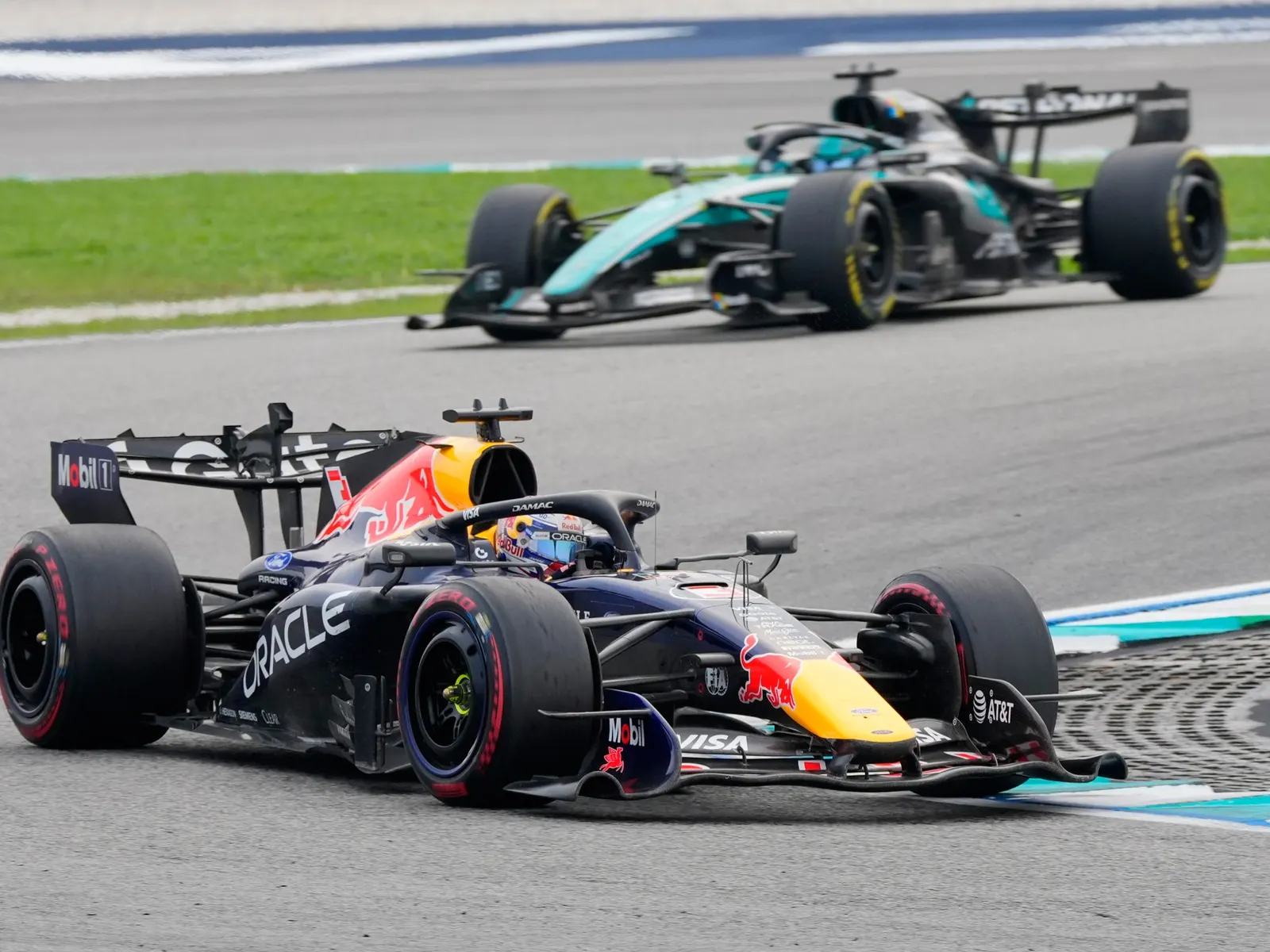
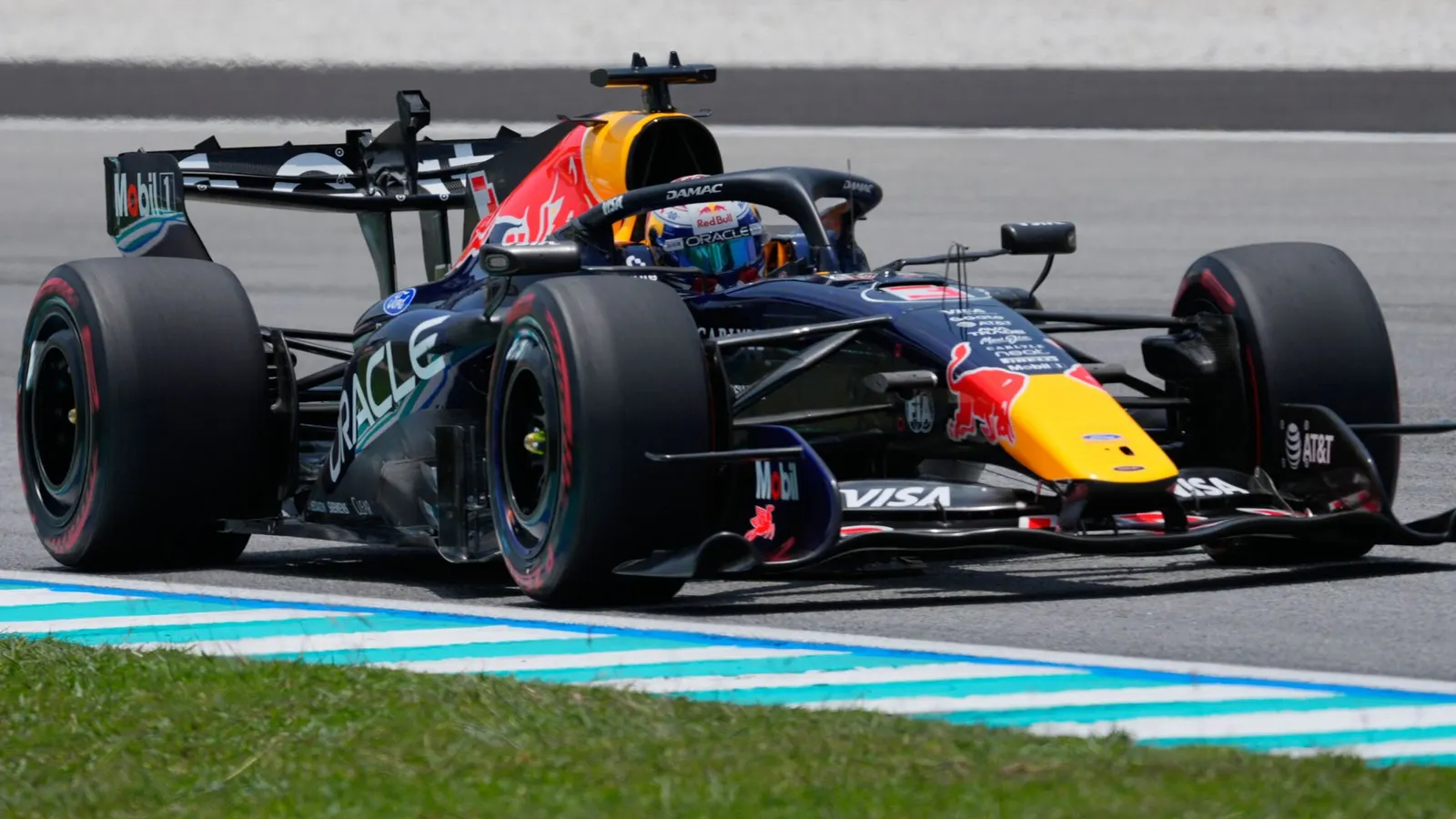
Tyre decisions became central after the restart because Sepang remained wetter than teams had expected. Sky Sports attributed the slow drying to the circuit’s older asphalt retaining water. Verstappen moved into the lead on dry tyres, while other drivers used different strategies as conditions evolved. Valtteri Bottas later spun into the gravel, bringing out a Safety Car that allowed leading drivers to make pit stops with less time lost.1
Alex Albon’s Williams then suffered a gearbox failure, leading first to a virtual safety car and subsequently a full Safety Car because the vehicle could not be moved easily. George Russell, who had run second, retired after a Mercedes power-unit failure. The race restarted for three final laps and ended three hours and 20 minutes after its initial start time, with 12 minutes remaining before the event’s time limit.14
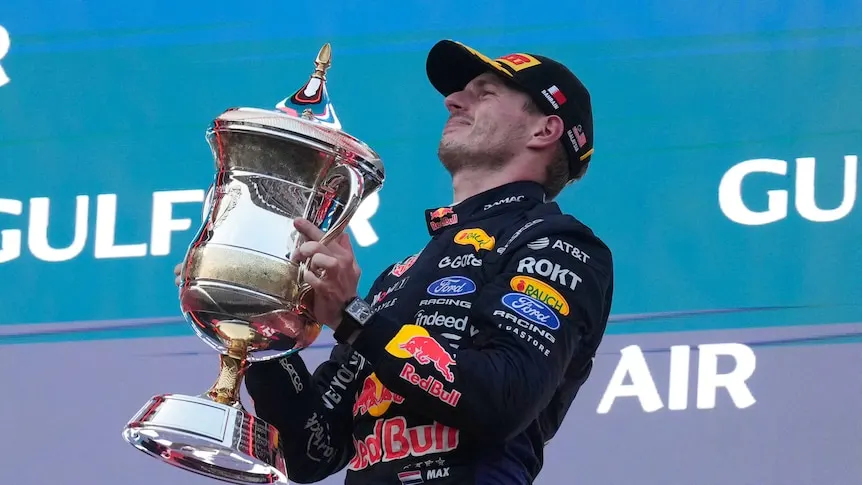
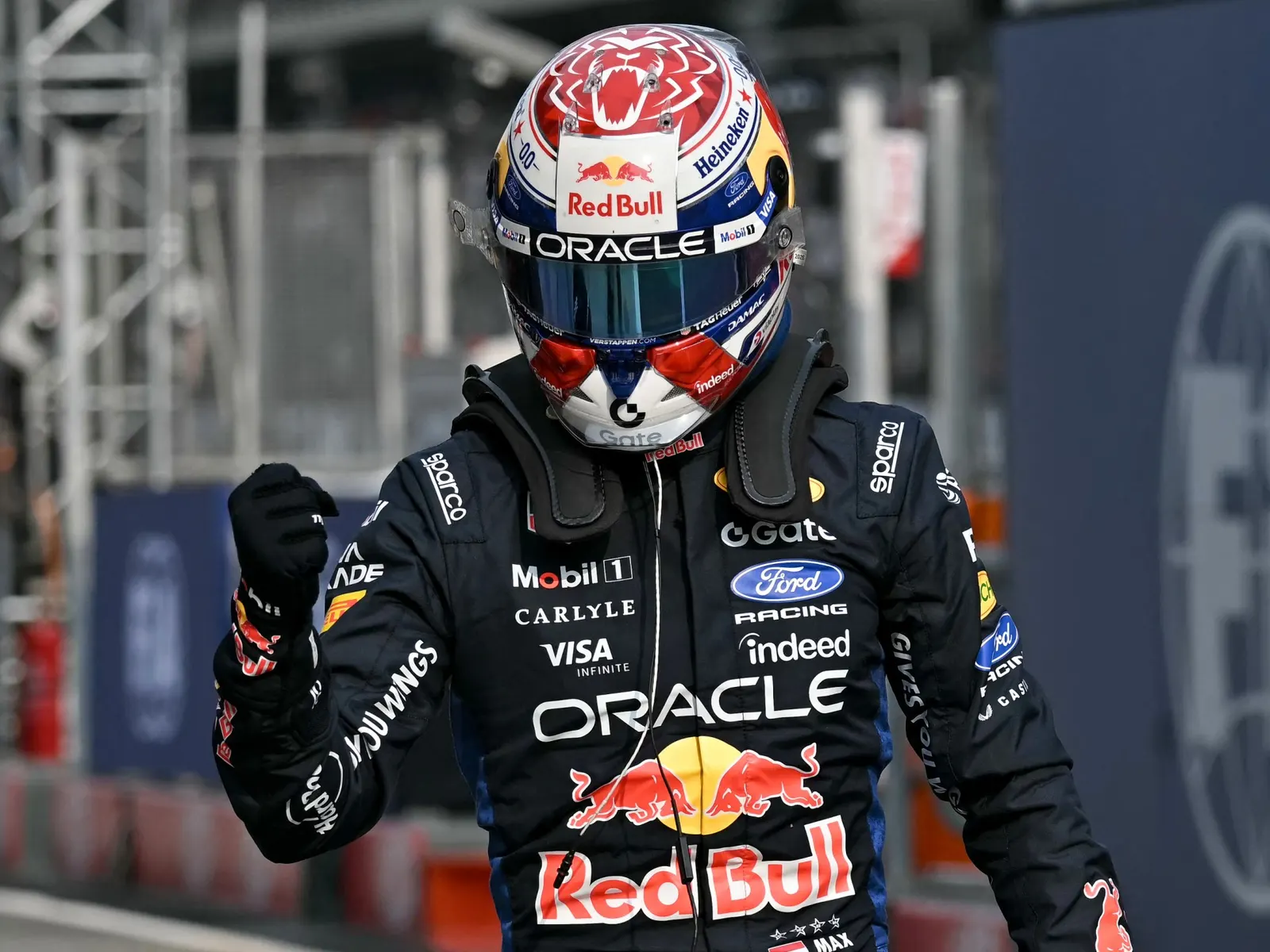
Verstappen won for Red Bull Racing, taking his first victory of the season, according to Sky Sports. Kimi Antonelli finished second for Mercedes and extended his championship lead to 84 points. Hamilton passed Isack Hadjar to complete a recovery from 18th place and finish third. The FIA, Formula One teams and power-unit manufacturers have committed to reviewing the software failure.124
Why it matters
For European Formula One followers, the incident affects both the championship contest and confidence in the sport’s increasingly complex power-management systems. The FIA’s investigation will examine a failure that was not identified in prior testing and disrupted several teams during a live race start.12
Related stories
Version history
- version 1 ·