World · Ukraine
Ukraine Says Missile Alerts Cost $45 Million Per Hour
Ukraine's economy minister says prolonged air-raid alerts are halting business and deepening a budget gap, as Kyiv seeks billions more in external financing.
Ukraine says halted business during air-raid alerts costs $45 million an hour, as it seeks billions more in foreign financing amid continued Russian strikes.
- Alerts cost Ukraine $45 million per hour of halted business
- New two-tier red/yellow alert system aims to limit losses
- Russian strikes caused about $10 billion in damage this year
- Budget shortfall narrowed to $20 billion via spending cuts
- 2027 financing need estimated at $52.6 billion
What's new
- Economy minister puts a dollar figure on hourly cost of halted business during alerts
- Ukraine introduces two-tier red/yellow alert system to limit economic disruption
- Government narrows 2026 budget shortfall from $27bn to $20bn through spending cuts
- Russian drone strike on Kyiv's National Academy of Sciences during a yellow alert kills two
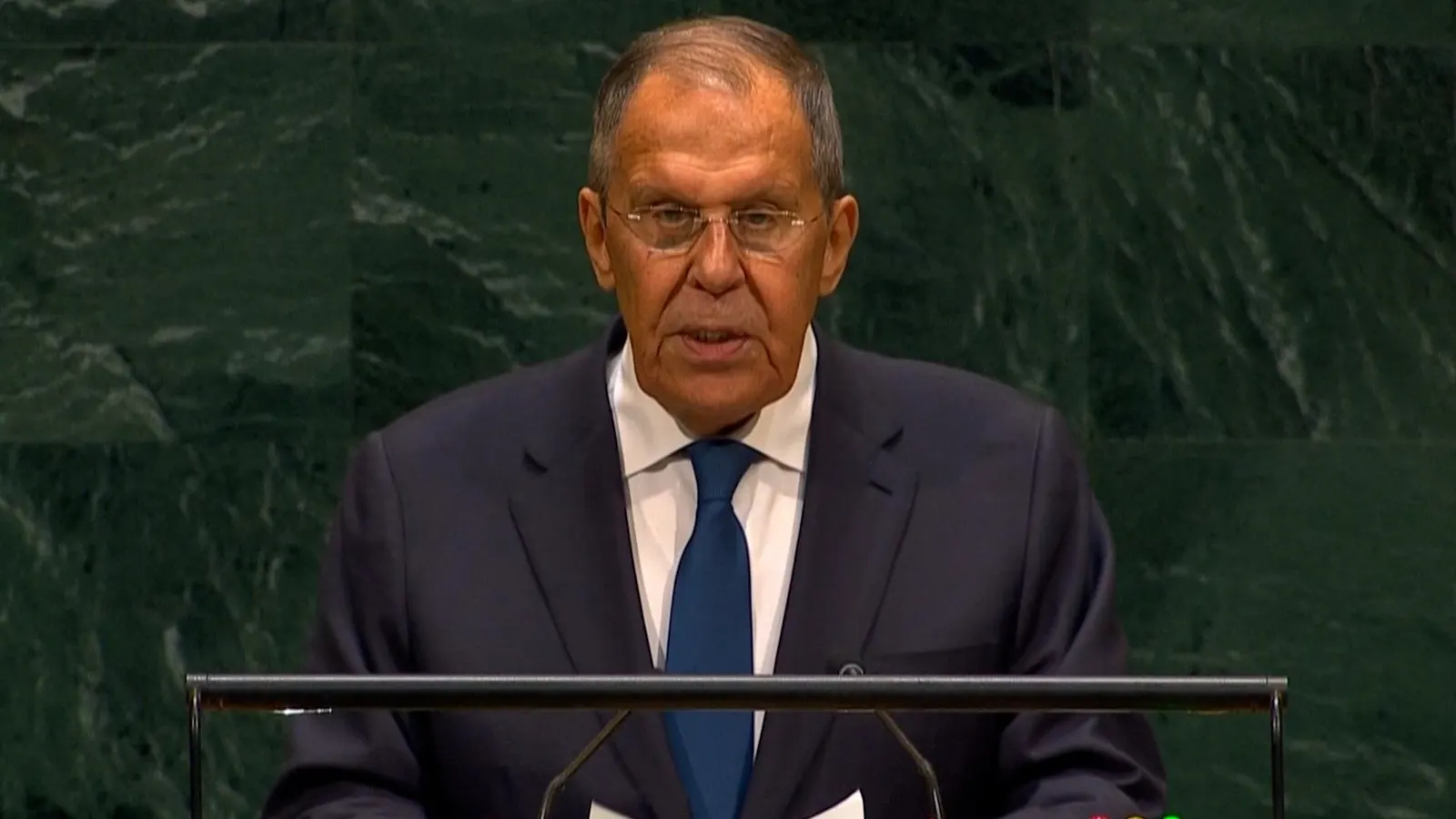
Ukraine's economy minister, Oleksandr Kravchenko, said on September 30 that every hour businesses halt operations because of air-raid alerts costs the country $45 million, as Kyiv works to offset mounting economic losses from Russian bombardment and secure billions of dollars in further foreign financing.142
A new alert system
According to the Ministry of Economy, Ukraine now runs a two-level alert setup: red warnings mean missile danger and force businesses to shut down, while yellow warnings signal drone threats and allow over half of companies to keep working.1432
Alarms may continue blaring for as long as 10 hours in a single day, and officials caution that even a yellow-level warning doesn't guarantee people are out of danger. Kravchenko said, "If people are in a bunker, business comes to a halt."576
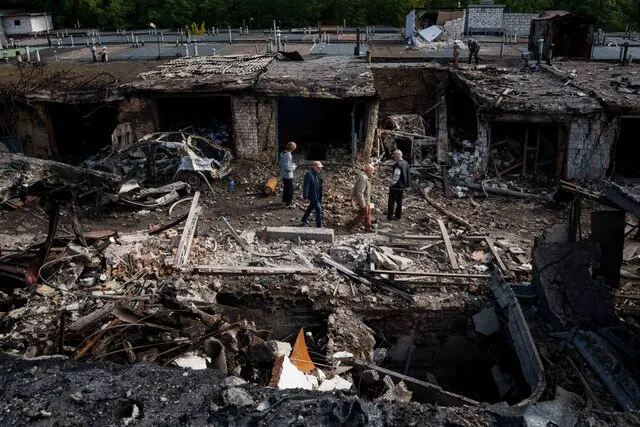
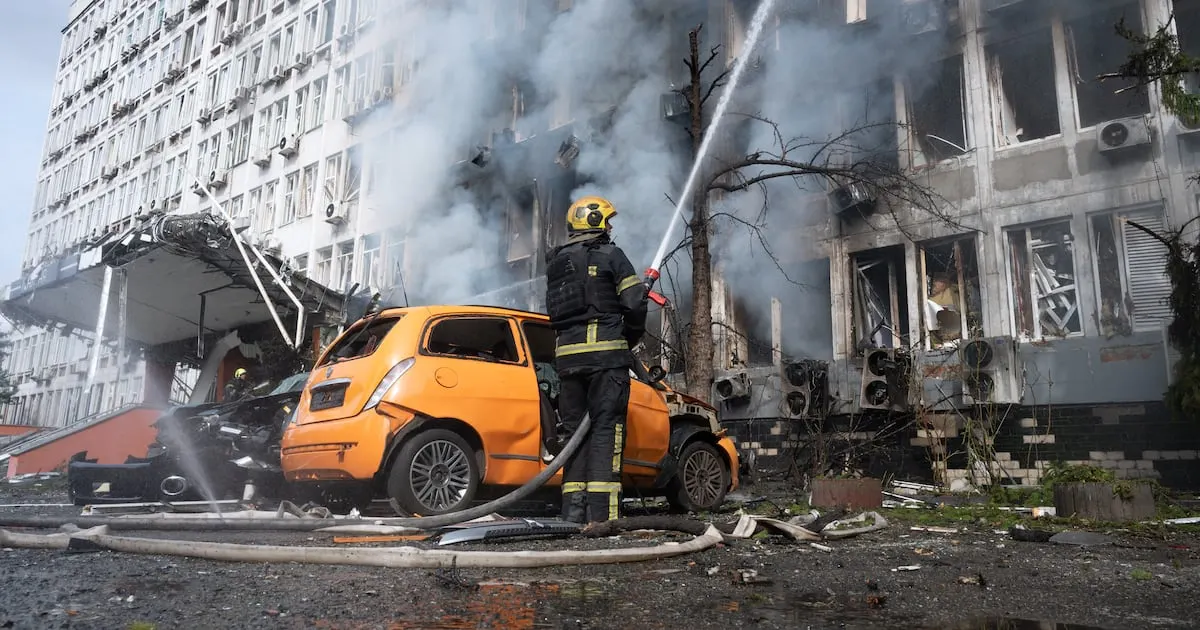
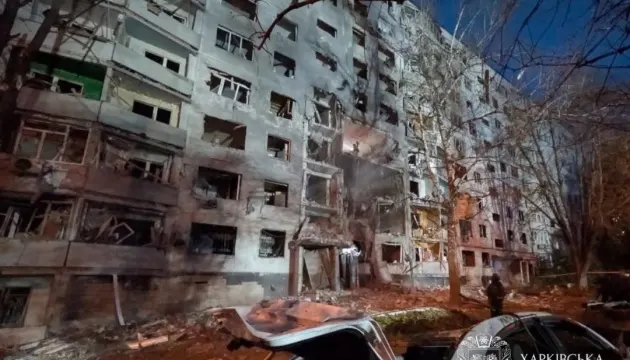
Multiple sources report that the revised alert framework came about following a deadly incident in which a Russian jet-powered drone hit the National Academy of Sciences building in downtown Kyiv while a yellow alert was in effect, resulting in two deaths. Russia also struck Kyiv and the Kyiv region, including Vyshhorod, with drones and missiles overnight on September 30.1436
Mounting economic damage
Per the dossier's sources, this year's Russian assaults have inflicted roughly $10 billion worth of damage on fixed assets, with Moscow focusing more frequently on factories, storage facilities, logistics centers and data centers. Kravchenko said Russia's economic targeting had outpaced expectations: "We did not fully anticipate how quickly Russia would develop these jet-powered drones and use them to strike everything."1456
Adding to the financial pressure, Russia has cut off access to Ukraine's Black Sea ports, the primary route the nation typically uses to ship exports abroad. In Kryvyi Rih, falling industrial tax revenue has forced the city to suspend development projects and cut its municipal budget.256
Zelenskyy had estimated the remaining 2026 budget shortfall at about $27 billion, but Kravchenko said spending cuts have narrowed that gap to around $20 billion. He attributed the deficit to falling revenues and rising wartime expenditure, rejecting suggestions that it stemmed from inefficient management or from spending under former defence minister Mykhailo Fedorov, who was dismissed in July.1632
Seeking foreign financing
Estimates put Ukraine's need for outside funding in 2027 at roughly $52.6 billion. The Guardian reports that roughly $20 billion has been locked in toward that total thus far, a figure Meduza's coverage calls into question. The European Union has agreed a €90 billion loan package covering 2026 and 2027, and Kyiv is also seeking support from Japan, Canada and the United Kingdom.1632
Kravchenko said, "There is very active work underway with all our international partners to attract additional sources of funding," and added that "general fatigue is growing in Europe." Zelenskyy said Brussels would deliver further financial news in the coming days.26
Public mood
The Guardian cites survey data from the Kyiv International Institute of Sociology showing half of Ukrainians name government corruption as a top worry, while 40 percent point to large-scale missile and drone assaults. That same survey also showed 72 percent of those polled hold Zelenskyy personally accountable for wrongdoing committed by those in his inner circle. Kravchenko, asked whether he was worried, said, "Am I worried? I think I should be, probably."1
Why it matters
The scale of hourly losses illustrates how Russian strikes are squeezing an economy already running a multibillion-dollar deficit, increasing Kyiv's dependence on European and allied financing. For European governments, the figures sharpen the question of how much further financial support to commit as some domestic parties grow more sceptical of continued aid.12
Videos
Related stories
same place
background
background

Version history
- version 1 ·